
England Form 3A full guide

How to Evict a Tenant Using Ground 13 - Property Deterioration

Use this landlord guide to check what Ground 13 means, the current post-May 2026 notice period, the evidence to gather, the mistakes to avoid, and the safest next document step before serving Form 3A.

Ground meaning

Ground 13 is for deterioration of the property or common parts caused by the tenant, someone living with them, or someone they allow into the property.

Mandatory or discretionary status

Ground 13 is discretionary.

Current notice period

The current post-May 2026 notice period is 2 weeks.

What Ground 13 means for landlords

Ground 13 is for deterioration of the property or common parts caused by the tenant, someone living with them, or someone they allow into the property.

Ground 13 is discretionary. The court considers the damage, responsibility, evidence, and whether possession is reasonable.

See a real Form 3A notice with sample Ground 13 evidence.

When this ground fits and when it does not

Use this ground when

  • The property condition has deteriorated beyond fair wear and tear.
  • You can connect the deterioration to the tenant, household, or visitors.
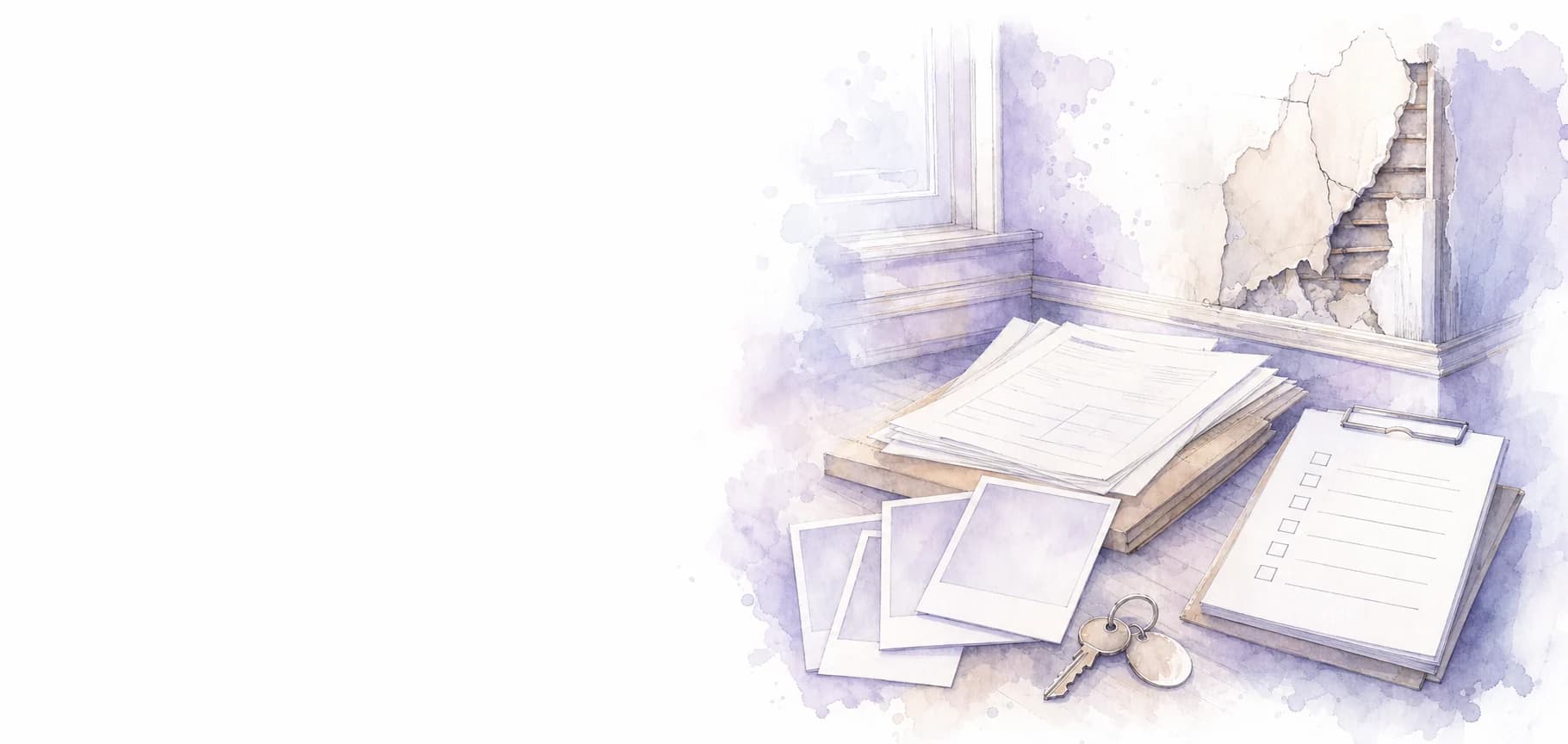
  • Inspection, repair, or photographic evidence is available.

Do not rely on it when

  • The issue is ordinary wear and tear or landlord disrepair.
  • The problem is only furniture, where Ground 15 may be more specific.
  • You cannot show condition before and after.

What the landlord must prove

The notice must set out the substance of the ground and the reasons relied on. If the tenant does not leave, the landlord must prove the same facts at court with documents, service records, and witness evidence.

  • The condition before and after deterioration.
  • Who caused or allowed the deterioration.
  • Inspection photos, reports, contractor invoices, or witness evidence.
  • Why possession is reasonable given the damage.

Step-by-step landlord workflow before serving Form 3A

  1. Gather check-in, inspection, and check-out condition evidence.
  2. Separate tenant damage from fair wear, ageing, or landlord repair obligations.
  3. Collect contractor reports and cost estimates.
  4. Prepare Form 3A with dated examples.
  5. Serve the 2-week notice and preserve evidence.

Post-May 2026 compliance note

For post-May 2026 England cases, use Form 3A or a form substantially to the same effect, give the right notice period, and write out the ground and reasons clearly. Keep deposit compliance, prescribed information, notice service, and court proof ready unless a ground-specific exception applies.

Current GOV.UK guidance says the court can dismiss or delay a claim if the notice is incomplete, inaccurate, or unsupported by evidence. Treat the notice, checklist, and evidence bundle as one consistent file from the start.

Ground 13 evidence checklist

Ground 13 evidence should show deterioration over time and responsibility for it.

  • Inventory, check-in report, and dated inspection photographs.
  • Repair quotes, invoices, contractor reports, or surveyor notes.
  • Correspondence asking the tenant to stop damage or allow repairs.
  • Witness statements from agents, contractors, neighbours, or inspectors.
  • Tenancy agreement repair and care obligations.

Common mistakes with Ground 13

  • Calling ordinary wear and tear deterioration.
  • Failing to prove the starting condition.
  • Mixing landlord repair failings with tenant-caused damage.
  • Forgetting Ground 15 where furniture is the main issue.
  • Not explaining why possession is reasonable rather than just claiming costs.

Court progression and Complete Pack next step

If the tenant does not leave after the notice, the court stage needs a claim form, particulars of claim, a copy of the notice, proof of service, and evidence proving the ground.

  • The court will expect a clear before-and-after story.
  • Damage claims and possession evidence should be separated but consistent.
  • Use Complete Pack if deterioration evidence needs photographs, reports, and witness exhibits.

Related grounds

Ground 13 FAQs

Answers to common landlord questions about using Ground 13 in England.

It is about deterioration of the property or common parts. Poor housekeeping may matter if it causes deterioration and the evidence proves it.
Yes. The court decides whether possession is reasonable after considering the evidence.
Courts do not pre-approve notices. A validated, solicitor-approved Form 3A can help organise the deterioration evidence, but the court decides the claim.
Yes, Ground 15 is the specific furniture deterioration ground. Ground 13 is for the property or common parts.
Possession and money recovery are separate decisions. Keep repair-cost evidence because it may support reasonableness and any later money claim.