
Rated4.8/5 | 2007 reviews
Bailiff Eviction Day - What to Expect (England Guide )
The final step in eviction: bailiff enforcement. Learn what happens on eviction day, your rights and responsibilities, what bailiffs can and cannot do, and h...
What this guide will help with
For landlords searching for bailiff eviction day, this guide gives the short answer first, explains the evidence or compliance checks, and points you toward the next sensible document, tool, or guide.

Use this guide when
You need a practical landlord answer, not just a definition
Use this page when you need to understand bailiff eviction day in landlord terms, check the evidence or compliance points that matter, and decide whether the next step is a guide, free tool, notice pack, court pack, tenancy agreement, rent increase pack, or money claim route.
The useful SEO value here is the visible explanation, examples, FAQs, and internal links, not the hidden meta keywords.
You are trying to work out what to do about bailiff eviction day. This guide explains the route in plain English, the common mistakes, and what to do next.
A Professional Process
Bailiff evictions are controlled, professional proceedings. While they can be tense, bailiffs are trained to handle these situations calmly. Your presence is helpful but not always required.
Getting the Warrant of Possession
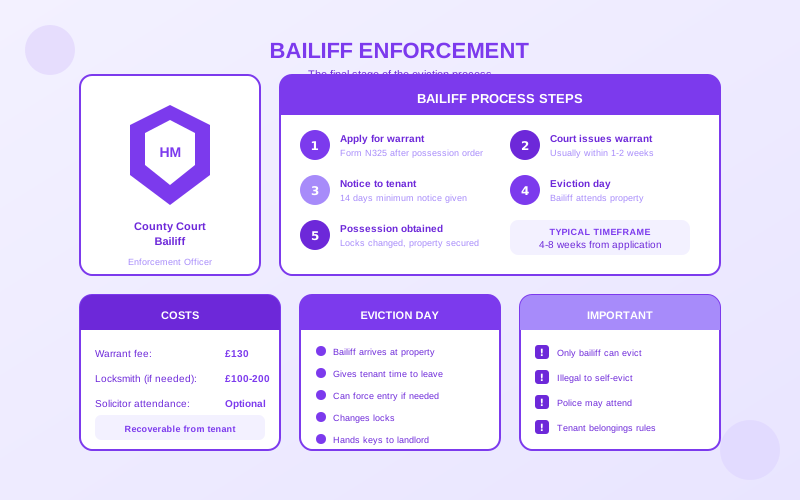
Before bailiffs can act, you need a warrant of possession. This is a separate step after obtaining your possession order.
Court stage

Heading toward court? Prepare the possession file
If the problem has moved beyond serving notice, keep the notice, claim forms, and evidence aligned from the start.
- Keep the notice and court forms consistent.
- Avoid paying court fees on a weak file.
- Get the next-stage paperwork together in one place.
When to Apply
You can apply for a warrant once:
- The date in the possession order has passed (tenant was supposed to leave but didn't)
- For suspended orders: the tenant has breached the conditions
How to Apply
- Complete Form N325 (Request for Warrant of Possession)
- Pay the court fee (£130 as of 2026)
- Submit to the county court that made the order
Processing Time
After you submit the warrant application:
- Court issues the warrant (typically 1-2 weeks)
- Bailiffs schedule the eviction (typically 2-4 weeks after warrant issued)
- Total time from application to eviction: usually 4-8 weeks
Court Backlogs
Processing times vary significantly between courts. Some areas have substantial backlogs. In busy areas, it may take longer than 8 weeks from warrant application to eviction.
Tenant's Right to Challenge
The tenant will be notified of the warrant. They can apply to have it:
- Suspended: If they can now pay arrears or comply with conditions
- Set aside: If there was an error in the original proceedings
If the tenant applies for suspension, this may delay the eviction while the court considers their application.
Before Eviction Day
Notification
You'll receive notice from the court with the scheduled eviction date and approximate time (usually given as a morning or afternoon slot rather than exact time). The tenant also receives notice.
Prepare Your Property Arrangements
Before eviction day, arrange:
- Locksmith: Book a locksmith to attend and change locks immediately after eviction
- Transport: If you'll be there, plan how you'll get to the property
- Support: Consider bringing someone with you—these situations can be emotional
- Storage: Plan for what to do with any belongings left behind
Contact Details
Ensure the court and bailiff service have your current contact details. If the eviction is postponed or rescheduled, you need to know.

What Happens on Eviction Day
Bailiff Arrival
County court bailiffs (sometimes called enforcement officers) arrive at the property at the scheduled time. They'll typically:
- Knock on the door and announce themselves
- Explain to anyone present that they have a warrant and the occupants must leave
- Give a reasonable time for occupants to gather essential belongings
- Supervise the occupants leaving the property
- Hand possession to you (or your representative)
If the Tenant Is Present
Most tenants leave cooperatively, even if reluctantly. Bailiffs give them time to collect personal items and essential belongings. The bailiff will ensure:
- The tenant has opportunity to gather essentials (medication, documents, valuables)
- Any children or vulnerable persons are handled appropriately
- The situation remains calm and controlled
If the Tenant Refuses to Leave
Bailiffs have authority to physically remove occupants if necessary. In extreme cases, they can request police assistance. However, this is rare—most tenants comply when faced with an official bailiff with a warrant.
If the Property Is Empty
If no one's home, bailiffs will still execute the warrant. They'll wait for the locksmith to change locks and hand you the keys.
Forced Entry
If no one answers and the property appears occupied, bailiffs can force entry. This is legal under the warrant. A locksmith will handle this. You may be charged for locksmith services in such cases.
Your Role as Landlord
Should You Attend?
You don't have to attend personally, but it's often helpful:
- Pros: You can take immediate possession, assess property condition, secure the property
- Cons: Can be emotional or confrontational if the tenant is hostile
If you can't attend, send a representative with written authority. Someone needs to be there to receive possession and change the locks.
What You Can Do
- Be present to receive possession
- Arrange lock changes
- Document the property condition (photos/video)
- Make the property secure
What You Must Not Do
- Don't get involved in removing the tenant—that's the bailiff's job
- Don't engage in arguments or confrontations
- Don't prevent the tenant from collecting belongings
- Don't damage or dispose of tenant property during the eviction
Stay Professional
No matter how frustrated you are with the tenant, remain calm and professional. The bailiff is in charge. Any confrontation could cause problems and may even delay the eviction if it becomes unsafe.
Dealing With Tenant Belongings
Tenants often leave belongings behind. You have legal obligations regarding these items.
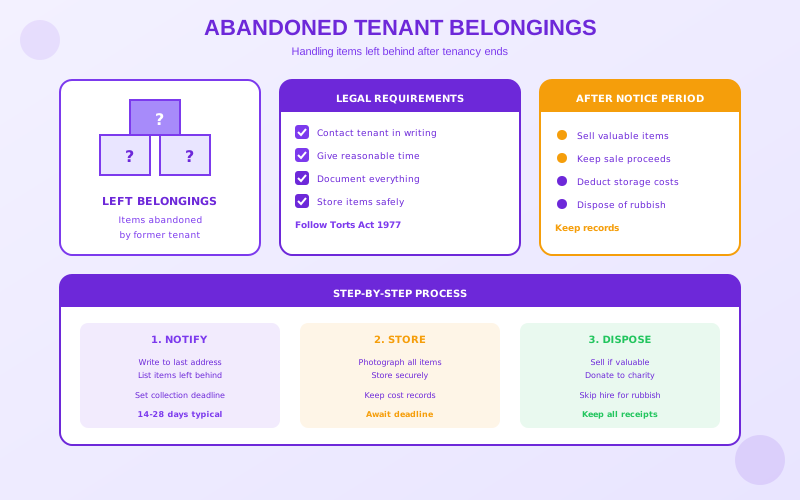
The Torts (Interference with Goods) Act 1977
This Act governs what you must do with abandoned belongings:
- You must take reasonable care of the items
- You must give the tenant reasonable opportunity to collect them
- You can eventually sell or dispose of items, but must follow proper procedures
Recommended Process
- Inventory: Make a detailed list of items left behind with photos
- Secure storage: Store items safely (on-site if secure, otherwise in storage)
- Written notice: Send the tenant a letter listing items and stating they have 14-28 days to collect
- Allow collection: Give reasonable opportunity for the tenant to collect
- After deadline: Items of value should be sold; proceeds (minus storage costs) go to the tenant. Low-value items can be disposed of.
What Counts as "Belongings"
Personal possessions that were the tenant's property. Not included:
- Rubbish and waste
- Items that were fixtures and fittings (your property)
- Perishable goods that have spoiled
After the Eviction
Immediate Steps
- Change locks: Do this immediately—bailiffs don't do this for you
- Secure the property: Check all windows, doors, and access points
- Document condition: Take comprehensive photos and video of the property's state
- Utilities: Contact utility providers to transfer accounts
- Insurance: Notify your landlord insurance if the property is empty
Property Condition Assessment
Compare the property's current condition against the original inventory. Note any:
- Damage beyond fair wear and tear
- Missing items that belonged to you
- Cleanliness issues
- Repair needs
Deposit Claims
If you protected a deposit, you can now make deductions for damage and cleaning. Follow the deposit scheme's process for making claims. Be prepared to evidence all deductions with photos and receipts.
Money Claims
If the tenant owes rent arrears or you have damage costs exceeding the deposit, consider:
- money claim for unpaid rent Online for debts up to £100,000
- Small claims track for amounts under £10,000
- County Court Judgment (CCJ) if successful
Bailiff Eviction FAQ
Can the tenant stop the eviction on the day?
Only if they have a court order suspending or setting aside the warrant. A last-minute promise to pay or emotional appeal won't stop the bailiff. Once they arrive with a valid warrant, the eviction proceeds.
What time do bailiffs arrive?
Usually between 9am and 5pm. You'll typically be given a morning or afternoon slot rather than an exact time. Bailiffs often have multiple appointments and may not be precisely on time.
Do I have to pay for the bailiff?
You pay the court fee for the warrant (£130). The bailiff service itself is included. If forced entry requires a locksmith, you may pay additional costs. Lock changes are your responsibility regardless.
What if there are children or vulnerable people?
Bailiffs are trained to handle these situations sensitively. They may contact social services or allow extra time. The eviction still proceeds, but with appropriate care for vulnerable occupants.
Can I use High Court Enforcement instead?
Yes, you can "transfer up" to High Court Enforcement Officers (HCEOs) for faster action. This costs more but HCEOs typically execute warrants within days rather than weeks. They're also perceived as more efficient.
What if the tenant returns after eviction?
Once evicted, the tenant has no right to return. If they break in, it's criminal trespass and potentially burglary. Call the police. You do not need a new court order—the existing possession order remains valid.
Need Help With the step-by-step UK eviction process?
Our Complete Eviction Pack guides you through every step, from notice to bailiff enforcement. Includes all forms, court documents, and step-by-step instructions.
Get Complete Eviction Pack - £69.99Prefer us to prepare it with you?
Assisted prep for landlords who want the file checked before they act
Short callback, focused document preparation, and a clear pack for you to approve before serving or filing.

Unsure about grounds or dates?
£149Section 8 notice prepared with you
A 20-minute callback to prepare or check the Form 3A notice, service details, and notice file before you serve it.
Book Section 8 assisted prep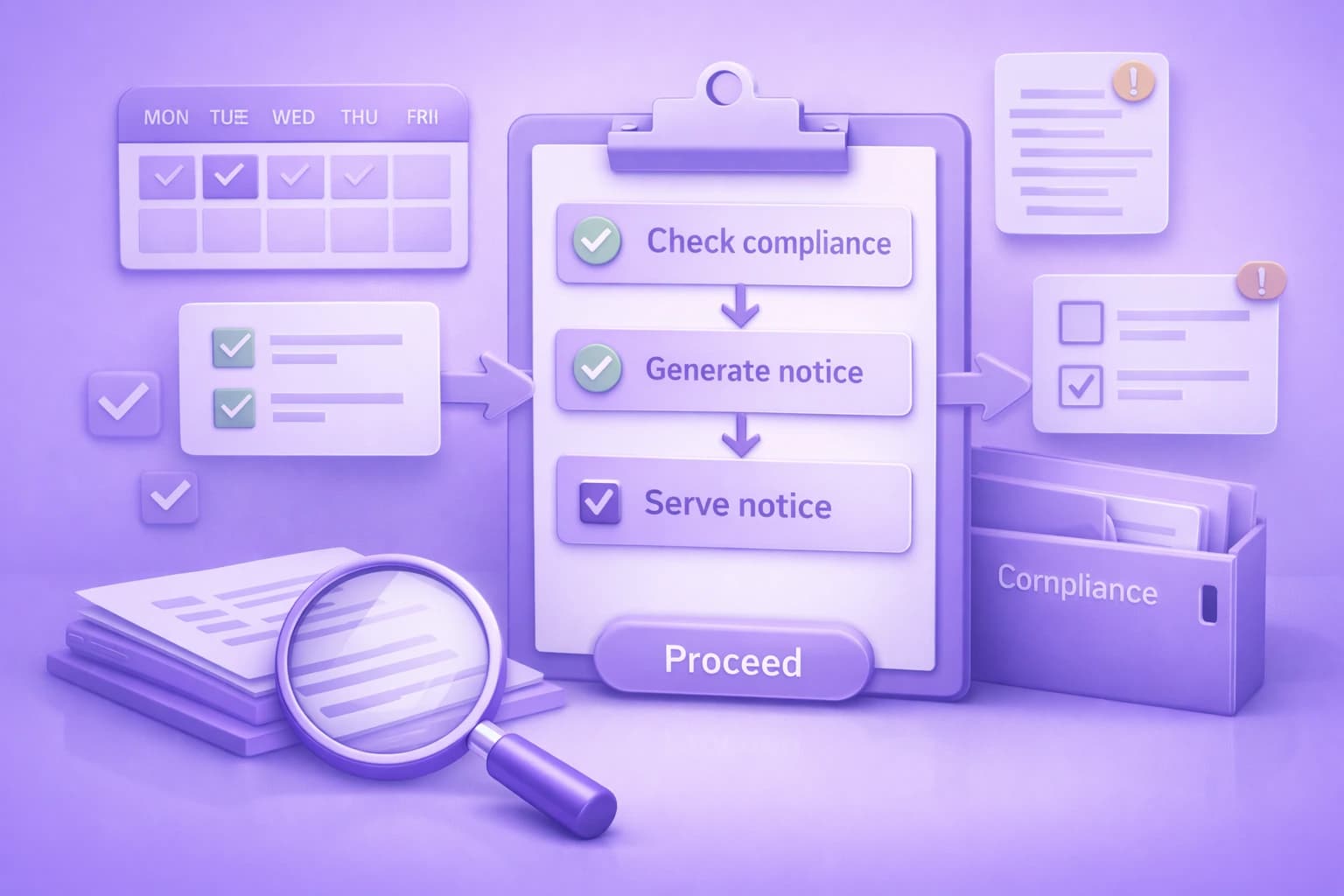
Need to act after notice?
£399Possession claim pack prepared with you
A 45-minute callback to prepare or check N5, N119, service evidence, bundle steps, and the filing pack.
Book possession claim assisted prep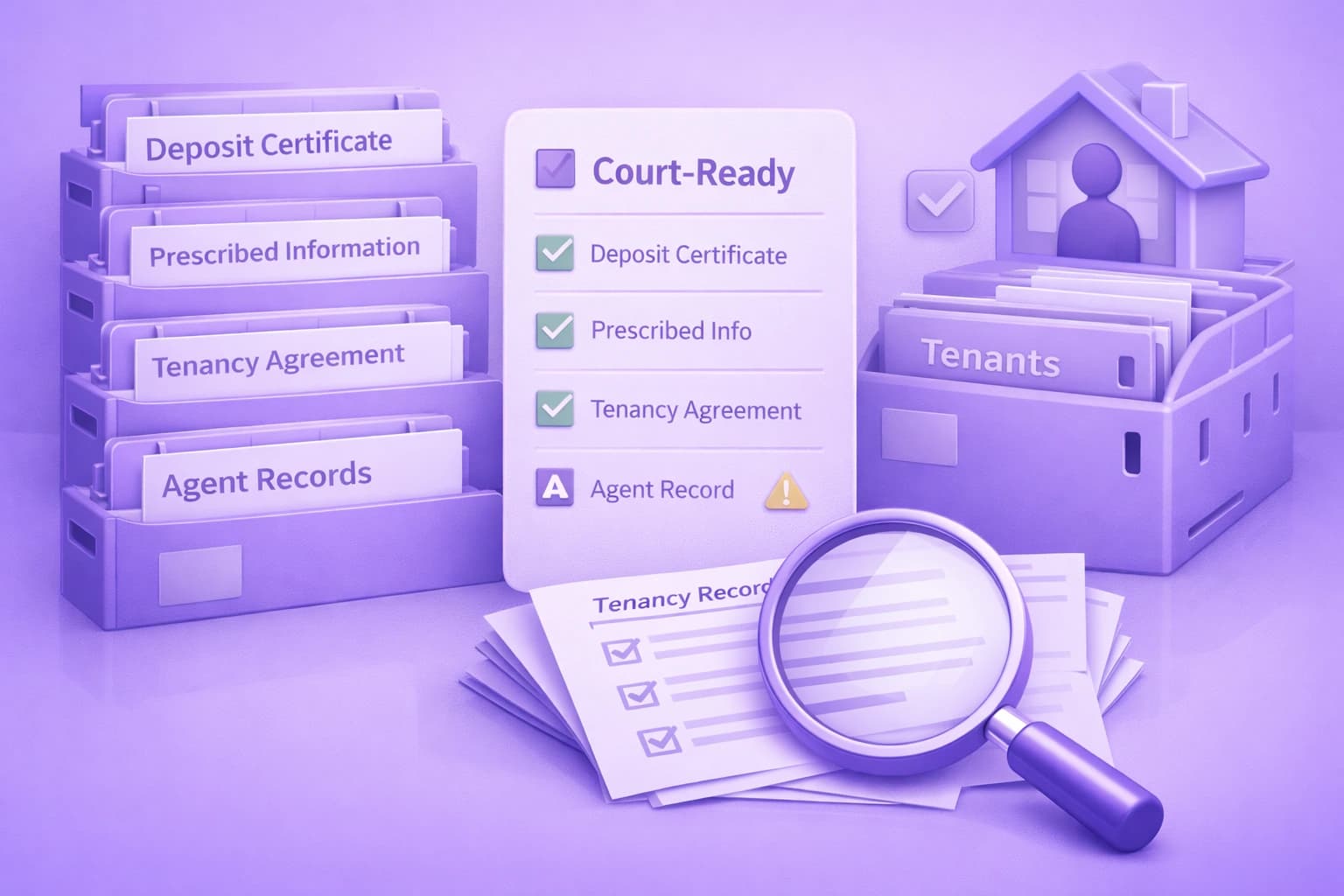
Rent, damage, bills, or debt?
£249Money claim prepared with you
A 30-minute callback to turn the debt, evidence, pre-action position, and claim wording into a clearer claim pack.
Book money claim assisted prepWhat to do next
Core eviction guides landlords usually need next
These are the core possession guides landlords usually need after notice or arrears problems start.
FAQs for landlords

Have a landlord question?
Ask Heaven is our free AI assistant that can help with eviction advice, tenancy questions, and more.