
Rated4.8/5 | 3008 reviews
How to Serve an Eviction Notice in England After May 2026
Learn how to serve the current Form 3A eviction notice correctly in England. Avoid service mistakes, date errors, and proof gaps after the Renters Rights Act...
Use this guide when
You need a practical landlord answer, not just a definition
Use this page when you need to understand how to serve eviction notice in landlord terms, check the evidence or compliance points that matter, and decide whether the next step is a guide, free tool, notice pack, court pack, tenancy agreement, rent increase pack, or money claim route.
This guide explains how to serve eviction notice in plain English, including the rules, common mistakes and practical next steps.
Critical Warning
In the post-May 2026 England route, service mistakes still matter. Use the current Form 3A, check the ground-specific notice period, and keep proof of how and when the notice was delivered.

Before You Serve: Essential Checklist
Before you serve, check that the notice matches the current England route. For new cases after 1 May 2026, that normally means Form 3A with the correct ground, particulars, and notice period:
Recommended next step
Need to serve a notice for this tenancy problem?
Use the guided Form 3A builder to keep the grounds, dates, service steps and evidence checks aligned. Preview the paperwork before paying.
Fixed price £39.99. Preview available before payment.
- Use the current notice route for the facts entered.
- Check dates and service requirements before serving.
- Preview the available paperwork before payment.

Form 3A Pre-Service Checks
- Correct form: Use the current Form 3A for England possession notices
- Correct ground: Pick the ground that genuinely fits the facts
- Correct notice period: Immediate, 2 weeks, 4 weeks, 2 months, or 4 months depending on the ground
- Particulars: Explain the facts, dates, arrears, or incidents clearly
- Evidence: Keep the rent ledger, witness evidence, correspondence, or documents that support the ground
Legacy Section 21 issues may still matter for old notices, but they are not the starting point for a new England case after the current England eviction rules changes.
Valid Delivery Methods for Eviction Notices
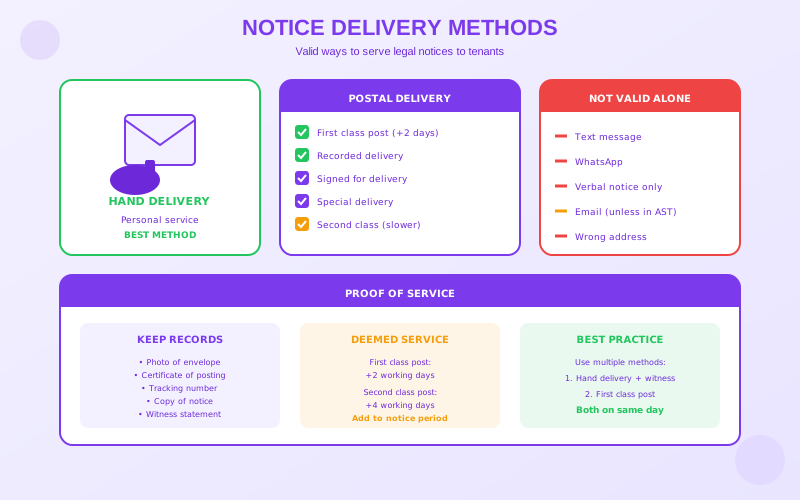
There are several legally acceptable ways to serve an eviction notice. Each method has specific rules about when the notice is considered "served."
1. Hand Delivery (Recommended)
Giving the notice directly to the tenant is the most reliable method. The notice is served immediately when the tenant receives it (or when it's left with them).
- Hand it directly to the tenant in person
- If they refuse to take it, leave it with them or at their feet
- Having a witness present is highly recommended
- Take a photo of the notice being handed over if possible
2. First Class Post
Sending via first class post to the rental property is valid. The notice is deemed served2 working days after posting (this adds time to your notice period).
- Post to the rental property address
- Keep proof of postage (certificate of posting from Post Office)
- Add 2 working days to the notice period to account for deemed service
3. Recorded/Special Delivery
Provides proof of delivery but has a significant risk: if the tenant refuses to sign or isn't home, the notice may be returned. This could invalidate your service.
- Use tracking to confirm delivery
- Be aware the tenant might refuse delivery
- Consider using first class as backup
4. Email (Conditional)
Email service is only valid if the tenancy agreement specifically allows it. Most standard ASTs do not include this provision.
- Check your tenancy agreement for electronic service clause
- Use read receipts if possible
- Consider posting a physical copy as backup
Timing Rules for Service
Getting the timing right is crucial. The notice period starts from the date of service, not the date you signed the notice.
Section 21 Timing
- Minimum notice: 2 months
- Cannot expire: Before the end of any fixed term
- End date: Must fall on the last day of a rental period (for periodic tenancies)
- Validity: Must start court proceedings within 6 months of expiry
Section 8 notice guide Timing (varies by ground)
- Ground 8, 10 and 11 rent cases: 4 weeks minimum under the current England rules
- Grounds 1 and 2: 4 months minimum
- Other grounds: Immediate, 2 weeks, 2 months, or 4 months depending on the current Form 3A ground
- Can be served: During fixed term or periodic tenancy
Proof of Service: Protecting Yourself
If your case goes to court, you'll need to prove the notice was properly served. Without adequate proof, the court may dismiss your claim.
Essential Evidence to Keep
- Photographs: Photo of you handing notice to tenant (with date/time stamp)
- Witness statement: Written statement from anyone who saw the service
- Certificate of posting: From the Post Office (keep the receipt)
- Tracked delivery confirmation: Screenshot or printout of delivery record
- Copy of the notice: Keep an exact copy of what you served
Many landlords take a photo of themselves holding the notice in front of the property, then another photo of it being posted through the letterbox. Combined with a certificate of posting, this provides robust evidence.
Common Mistakes That Invalidate Notices
Learn from others' errors. These are the most common mistakes that lead to notices being thrown out at court:
Wrong address
Sending to the tenant's workplace or old address instead of the rental property
Incorrect form
Using an outdated form instead of the current Form 3A route
Notice period too short
Not accounting for deemed service days when posting
Wrong expiry date
Setting an expiry date before the fixed term ends
Missing compliance
Using an old Section 21 checklist for a new post-May 2026 England case
No proof of service
Failing to document how and when the notice was served
After Serving the Notice
Once you've served the notice correctly, there are several important next steps:
- Record everything: Log the date, time, and method of service
- Store your evidence: Keep all proof of service in a safe place
- Wait patiently: The notice period must expire before further action
- Stay professional: Continue normal landlord duties during the notice period
- Prepare for court: If tenant doesn't leave, you'll need to apply for possession
Remember: you cannot force the tenant to leave once the notice expires. Only a court can grant a possession order, and only bailiffs can physically remove a tenant.
FAQ: Serving Eviction Notices
Can I serve a notice by text message?
No. Text messages and WhatsApp are not valid service methods for eviction notices in England. You must use physical delivery or post.
What if the tenant refuses to accept the notice?
If you attempt hand delivery and they refuse, leave the notice at their feet or post it through the letterbox. This still counts as valid service.
Do I need to serve all joint tenants?
Yes. You must serve each named tenant on the tenancy agreement. One copy to each tenant, not just one copy between them.
Can my letting agent serve the notice?
Yes. A letting agent or property manager can serve notices on your behalf. They should follow the same procedures and keep evidence.
What happens if I served the notice incorrectly?
You'll need to serve a new notice and start the process again. This can add months to your timeline, which is why getting it right first time is crucial.
Next Steps
If you are ready to serve notice, focus on getting the route, dates, and evidence right first. That usually saves more time than rushing into service with the wrong paperwork.
Prefer us to prepare it with you?
Free consultation before any assisted eviction preparation is agreed
We discuss the facts first. If we can help, we confirm the scope and send a secure Stripe payment link afterwards.
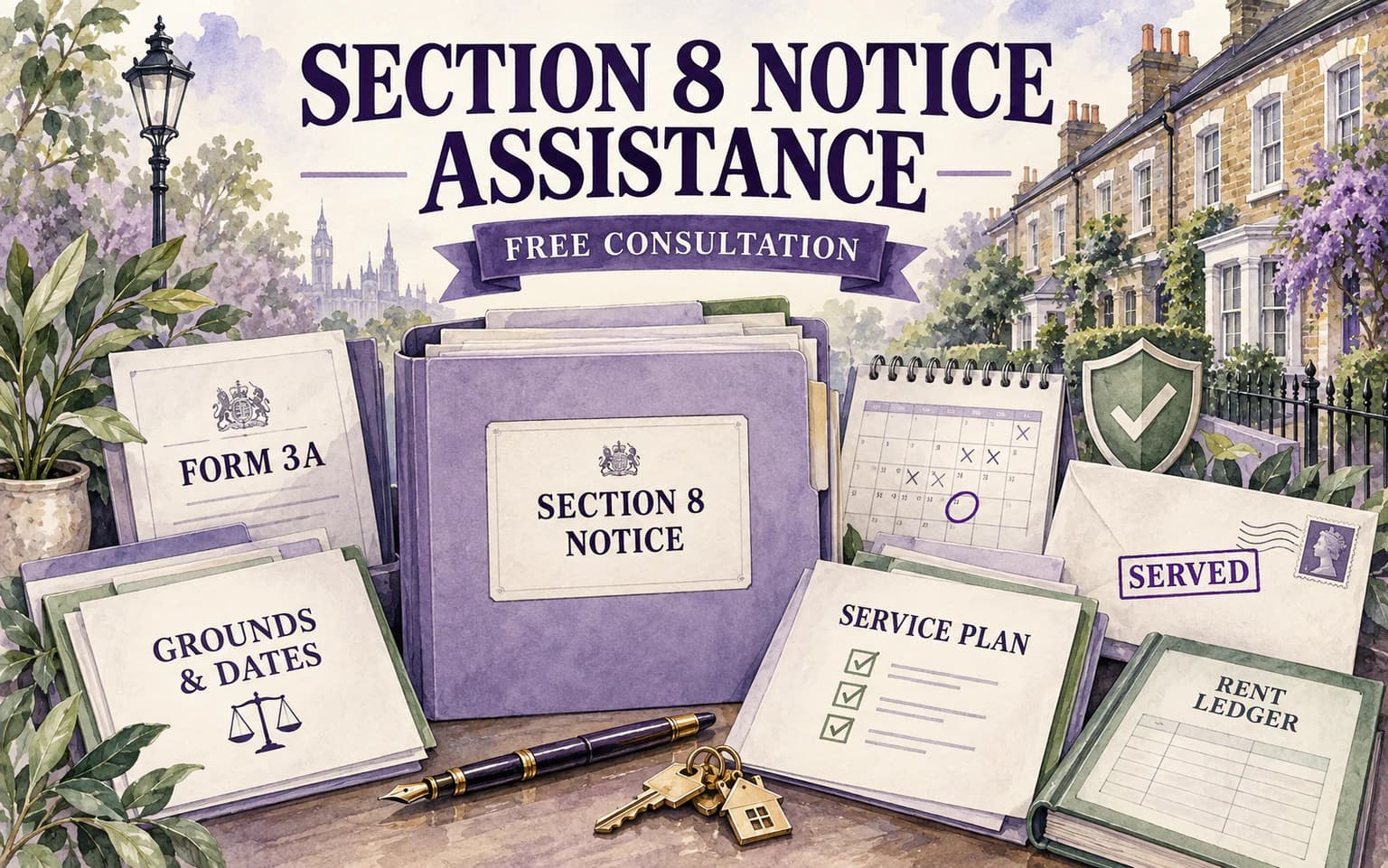
Unsure about grounds or dates?
Landlord Section 8 notice assistance
Free consultation · £149.00 only if we confirm we can help
Before you serve, we help organise your Form 3A, tenant details, notice timing, service plan and evidence prompts around the facts you approve.
Book free consultation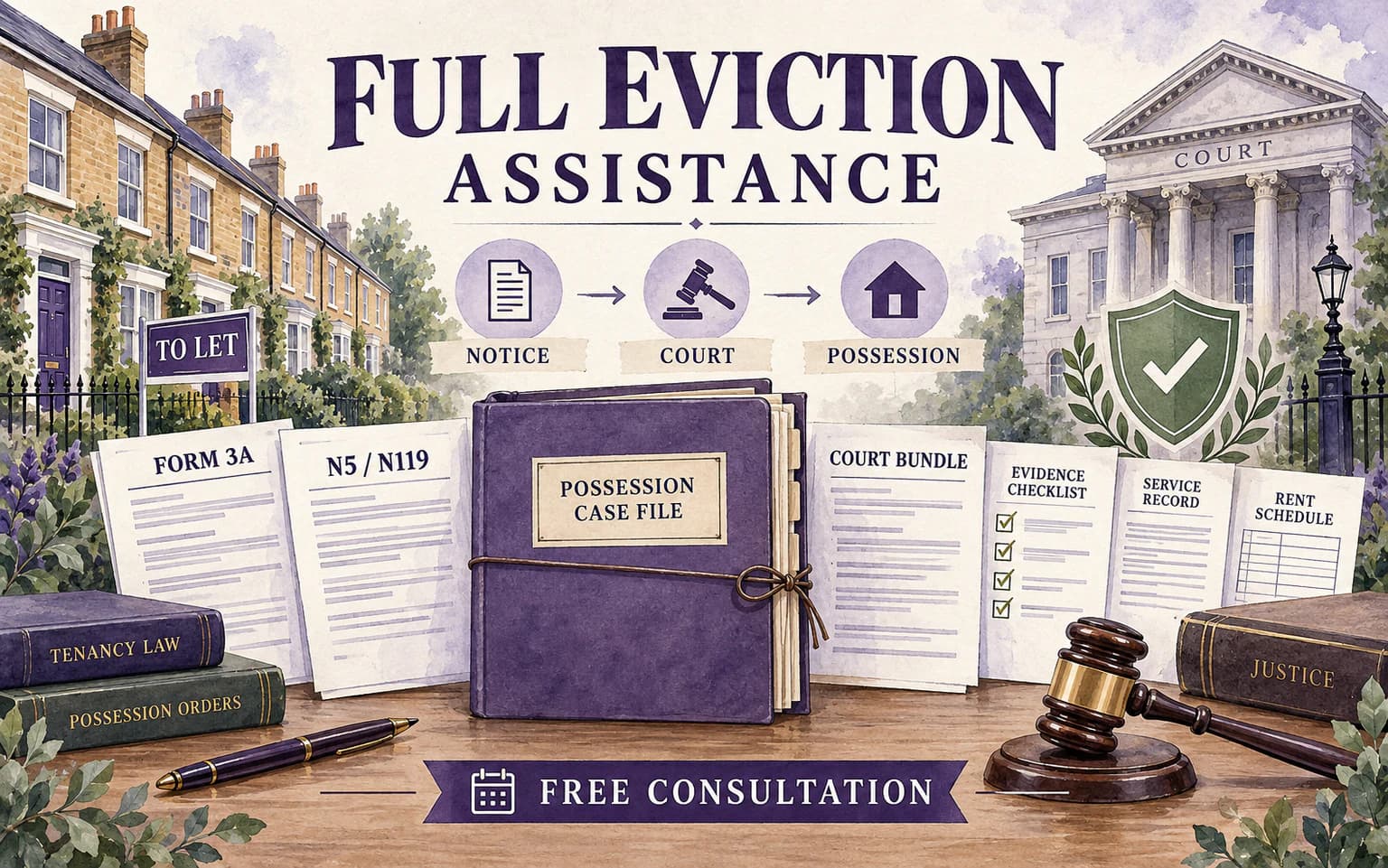
Want the full case, including court forms?
Landlord eviction assistance service
Free consultation · £399.00 only if we confirm we can help
Our £399 full-case service can cover your Section 8 notice, service record, N5, N119 particulars of claim and supporting bundle. If you have already served notice, we focus on the court-stage pack.
Book free consultationWhat to do next
Core eviction guides landlords usually need next
These are the core possession guides landlords usually need after notice or arrears problems start.
FAQs for landlords

Have a landlord question?
Ask Heaven is our free AI assistant that can help with eviction advice, tenancy questions, and more.