
Rated4.8/5 | 3008 reviews
Fitness for Human Habitation Wales - Complete Guide 2026
Complete guide to fitness for human habitation requirements in Wales. Learn about the 29 matters, landlord obligations, and tenant rights under Welsh law.
Use this guide when
You need a practical landlord answer, not just a definition
Use this page when you need to understand fitness for human habitation wales in landlord terms, check the evidence or compliance points that matter, and decide whether the next step is a guide, free tool, notice pack, court pack, tenancy agreement, rent increase pack, or money claim route.
This guide explains fitness for human habitation wales in plain English, including the rules, common mistakes and practical next steps.
Fundamental Term
The fitness for human habitation requirement is a fundamental term of every occupation contract in Wales. It cannot be excluded or modified, and applies at the start and throughout the tenancy.
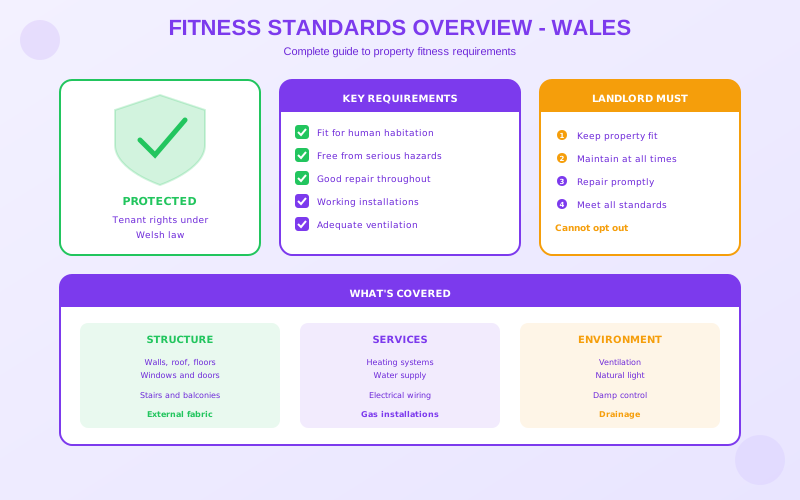
Fitness Requirements Overview
The Renting Homes Act introduced comprehensive fitness for human habitation requirements that go beyond the previous implied repairing obligations.
Next step for landlords
Problem clear? Create the right notice before you serve
If the issue now points toward possession, move from guidance into a notice route that keeps grounds, dates, service, and evidence together.
- Choose the right route before you serve anything.
- Answer plain-English questions. We handle the legal logic.
- Preview the paperwork before you pay.

Key points about the fitness requirement:
- The property must be fit at the start of the occupation contract
- The property must remain fit throughout the tenancy
- It covers 29 specific matters prescribed in regulations
- Contract-holders can take action if the property becomes unfit
- Courts can order works and award damages
The 29 Matters
The fitness for human habitation requirement covers 29 prescribed matters. These are grouped into several categories:
Structure & Stability
- 1. Damp and mould growth
- 2. Excess cold
- 3. Excess heat
- 4. Asbestos and MMF
- 5. Biocides
- 6. Carbon monoxide and fuel combustion products
- 7. Lead
Safety Hazards
- 8. Radiation
- 9. Uncombusted fuel gas
- 10. Volatile organic compounds
- 11. Crowding and space
- 12. Entry by intruders
- 13. Lighting
- 14. Noise
Physical Hazards
- 15. Domestic hygiene, pests and refuse
- 16. Food safety
- 17. Personal hygiene, sanitation and drainage
- 18. Water supply
- 19. Falls associated with baths etc
- 20. Falls on level surfaces
- 21. Falls on stairs
Building Hazards
- 22. Falls between levels
- 23. Electrical hazards
- 24. Fire
- 25. Flames, hot surfaces
- 26. Collision and entrapment
- 27. Explosions
- 28. Position and operability of amenities
- 29. Structural collapse and falling elements
Landlord Duties
As a landlord, you must take reasonable steps to ensure the property is fit. This includes:
Before Letting
- Conduct a thorough property inspection
- Address any hazards identified
- Obtain required safety certificates (gas, electrical)
- Ensure adequate heating and insulation
- Check for damp and treat if necessary
During the Tenancy
- Respond promptly to reports of unfitness
- Carry out regular inspections
- Maintain heating and hot water systems
- Address damp and mould issues quickly
- Keep the structure in good repair
Tenant Damage Exception
You are not required to keep the property fit if the unfitness is caused by the contract-holder's own actions or failure to use the property in a tenant-like manner.
Tenant Remedies
If a property is not fit for human habitation, the contract-holder has several options:
Notify the Landlord
The contract-holder should first notify you of the issue in writing. You then have a reasonable time to carry out works.
Apply to Court
If you fail to address the issue, the contract-holder can apply to the County Court. The court can:
- Order you to carry out specific works
- Award damages for inconvenience and loss
- Reduce the rent payable
- In extreme cases, allow the tenant to end the contract
Environmental Health
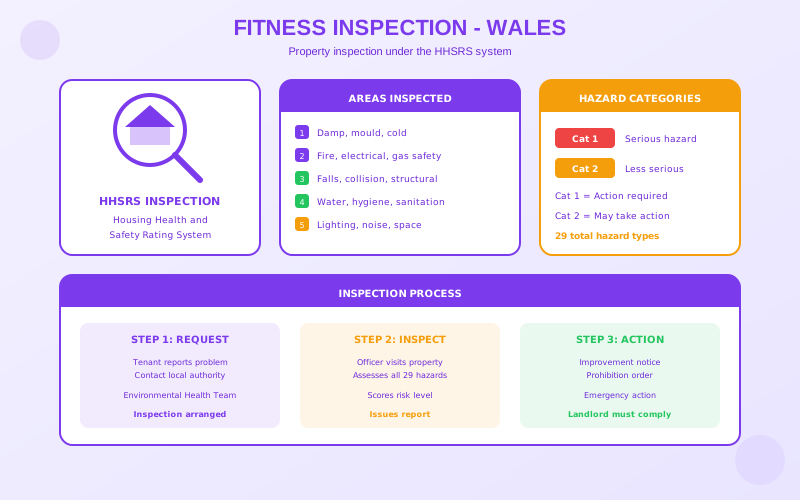
Contract-holders can also report issues to the local authority environmental health team, who may take enforcement action.
Ensuring Compliance
Compliance Checklist
- ? Check for and treat any damp or mould
- ? Ensure adequate heating and insulation
- ? Obtain valid Gas Safety Certificate
- ? Obtain Electrical Installation Condition Report
- ? Install smoke alarms on each storey
- ? Install CO alarms where required
- ? Check all windows and doors are secure
- ? Ensure water supply is safe and adequate
- ? Check for trip and fall hazards
- ? Verify kitchen and bathroom are hygienic
Property Compliance Help
Landlord Heaven provides property inspection checklists and compliance guides to help you meet Welsh fitness requirements.
View Property Templates ?Fitness for Habitation FAQ
What if the property was fit when let but becomes unfit?
You remain responsible for maintaining fitness throughout the tenancy. If the property becomes unfit due to disrepair or other issues, you must address this within a reasonable time.
Can the tenant withhold rent for unfitness?
Tenants should not withhold rent without a court order. They should apply to court if you fail to address fitness issues. The court can then reduce or suspend rent.
How quickly must I fix fitness issues?
The law requires action within a "reasonable time." This depends on the severity - urgent issues like no heating in winter require faster response than minor issues.
Does this apply to older properties?
Yes. The fitness requirement applies to all rental properties regardless of age. However, what's considered reasonable may account for the property's age and character.
What to do next
Core eviction guides landlords usually need next
These are the core possession guides landlords usually need after notice or arrears problems start.
FAQs for landlords

Have a landlord question?
Ask Heaven is our free AI assistant that can help with eviction advice, tenancy questions, and more.