
Rated4.8/5 | 3008 reviews
Residential Property Tribunal Wales - Landlord Guide 2026
Complete guide to the Residential Property Tribunal Wales. When to use it, procedures, costs, and what landlords should expect from tribunal hearings.
Use this guide when
You need a practical landlord answer, not just a definition
Use this page when you need to understand residential property tribunal wales in landlord terms, check the evidence or compliance points that matter, and decide whether the next step is a guide, free tool, notice pack, court pack, tenancy agreement, rent increase pack, or money claim route.
This guide explains residential property tribunal wales in plain English, including the rules, common mistakes and practical next steps.
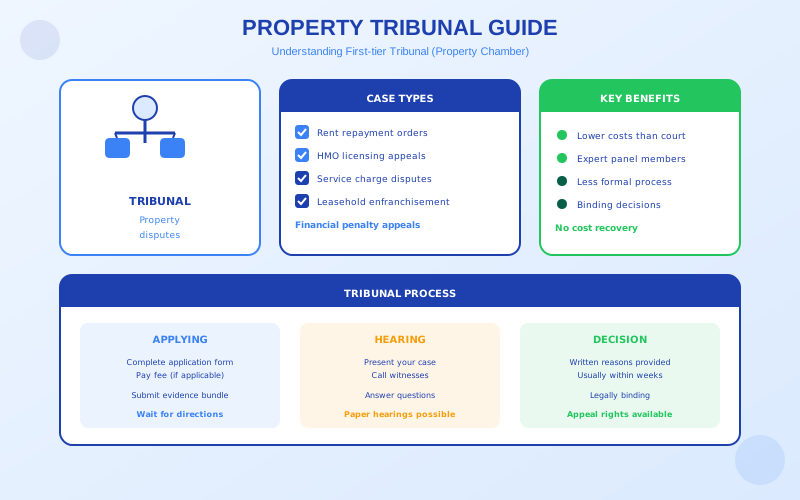
Tribunal Overview
The Residential Property Tribunal Wales is part of the wider tribunal system. It handles specific types of housing disputes that don't fall under county court jurisdiction.
Next step for landlords
Problem clear? Create the right notice before you serve
If the issue now points toward possession, move from guidance into a notice route that keeps grounds, dates, service, and evidence together.
- Choose the right route before you serve anything.
- Answer plain-English questions. We handle the legal logic.
- Preview the paperwork before you pay.

Key Features
- Less formal than county courts
- Decisions made by expert panels
- Lower costs than court proceedings
- Parties often represent themselves
- Written evidence usually accepted
Different from County Court
The RPT handles rent disputes, licensing issues, and some property condition matters. Possession claims and deposit disputes go through the county court or deposit schemes instead.
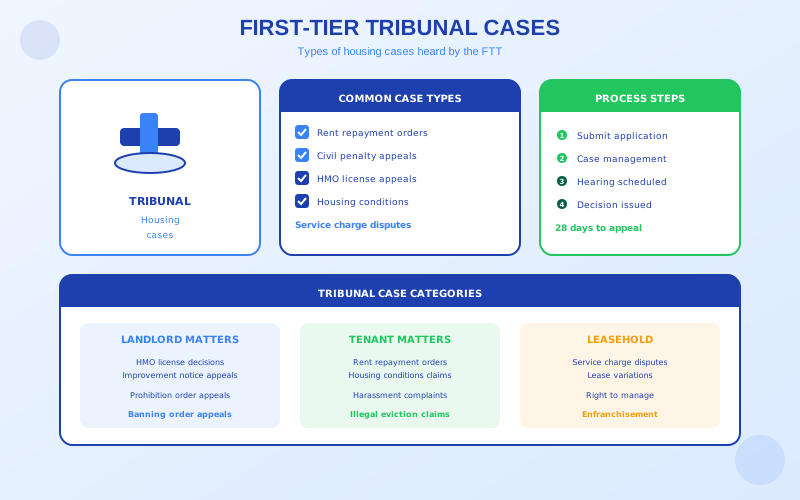
Types of Cases
The RPT Wales handles several types of cases relevant to landlords:
Rent Assessment
- Contract-holder challenges to rent increases
- Determining market rent levels
- Disputes about rent review clauses
Licensing Appeals
- Appeals against Rent Smart Wales decisions
- HMO licensing disputes
- Licence condition challenges
Fitness and Condition
- Whether a property is fit for human habitation
- Disputes about repair obligations
- Improvement notice appeals
Application Process
To apply to the RPT Wales:
Step 1: Check Jurisdiction
Ensure your case is one the RPT handles. Contact the tribunal if unsure - they can advise whether your case is suitable.
Step 2: Complete Application Form
- Use the correct form for your type of case
- Provide all requested information
- Include supporting documents
- Pay the application fee (if applicable)
Step 3: Submit Application
- Submit online through the tribunal website
- Or post to the tribunal office
- Keep proof of submission
Step 4: Tribunal Response
- Tribunal will acknowledge receipt
- Copy sent to other party
- Directions issued for next steps
- Hearing date scheduled if required
Time Limits
Some applications have strict time limits. For example, challenging a rent increase must be done before the new rent takes effect. Check deadlines carefully before applying.
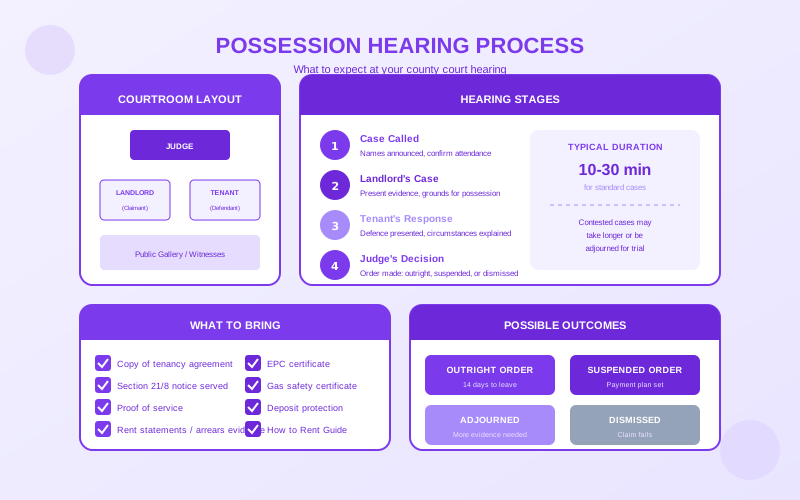
Hearing Process
If your case goes to a hearing:
Before the Hearing
- Receive directions about evidence and documents
- Submit any additional evidence by deadline
- Prepare your arguments and key points
- Arrange to attend (in person or video)
At the Hearing
- Less formal than court - no wigs or gowns
- Panel of 2-3 members (usually includes legal and expert members)
- Each party presents their case
- Panel may ask questions
- Typically lasts 1-3 hours
After the Hearing
- Decision may be given on the day or in writing later
- Written reasons provided
- Decision is legally binding
- Limited appeal rights
Costs and Fees
Tribunal costs are generally lower than court:
| Application Type | Fee |
|---|---|
| Rent assessment | No fee for contract-holders |
| Licensing appeal | Varies - check with tribunal |
| Fitness determination | No fee typically |
Other Costs
- Legal representation (optional)
- Expert reports if needed
- Travel to hearing
- Time off work
Cost Recovery
Unlike courts, the tribunal rarely orders one party to pay the other's costs. Each party usually bears their own costs regardless of outcome.
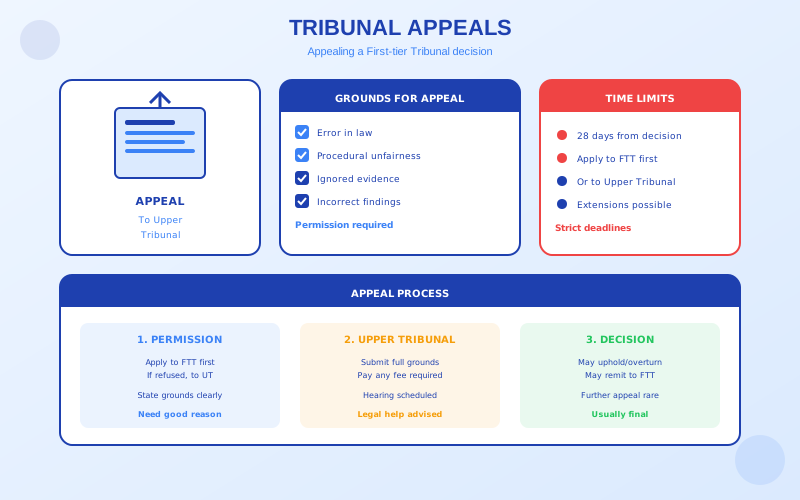
Appeals
If you disagree with a tribunal decision:
Permission to Appeal
- Must usually request permission to appeal
- Apply within 28 days of decision
- Permission granted only if legal error
Appeal Routes
- To the Upper Tribunal (Lands Chamber)
- Must be on a point of law
- Cannot simply disagree with facts
Appeal Limits
Appeals are only allowed on points of law - arguing the tribunal got the law wrong. You cannot appeal simply because you disagree with the tribunal's assessment of the facts.
Tribunal Preparation
Landlord Heaven provides guidance and templates for preparing tribunal applications and evidence packs.
View Legal Resources ?Tribunal FAQ
Do I need a solicitor?
No, many people represent themselves at the tribunal. The process is designed to be accessible. However, for complex cases or high values, legal advice may be helpful.
Can I have a witness?
Yes, you can bring witnesses to support your case. Notify the tribunal in advance. Written witness statements may be accepted if the person cannot attend.
How long does the process take?
Simple cases may be resolved within 2-3 months. Complex cases can take 6 months or longer. The tribunal will give estimated timeframes when your case is registered.
Is the hearing public?
Generally yes, tribunal hearings are public. In exceptional circumstances, hearings can be held in private, but this is rare for standard landlord and tenant matters.
What if I can't attend?
Request an adjournment with good reason, or ask for a video/telephone hearing. If you simply don't attend, the case may proceed without you and a decision made in your absence.
What to do next
Core eviction guides landlords usually need next
These are the core possession guides landlords usually need after notice or arrears problems start.
FAQs for landlords

Have a landlord question?
Ask Heaven is our free AI assistant that can help with eviction advice, tenancy questions, and more.