
Rated4.8/5 | 3008 reviews
Deposit Protection England - Schemes Compared 2026
Everything landlords need to know about tenancy deposit protection in England. Compare TDS, DPS, and MyDeposits schemes, learn the rules, and avoid costly pe...
Use this guide when
You need a practical landlord answer, not just a definition
Use this page when you need to understand deposit protection england in landlord terms, check the evidence or compliance points that matter, and decide whether the next step is a guide, free tool, notice pack, court pack, tenancy agreement, rent increase pack, or money claim route.
You are trying to sort deposit protection england before it causes a bigger problem later. This guide explains what you need to do, when it matters, and how it affects the rest of your case.
Critical Compliance Requirement
Unprotected deposits block Section 21 notices entirely. Even if your notice is otherwise valid, you cannot use Section 21 if the deposit isn't protected. With Section 21 ending May 2026, this makes deposit compliance more important than ever.
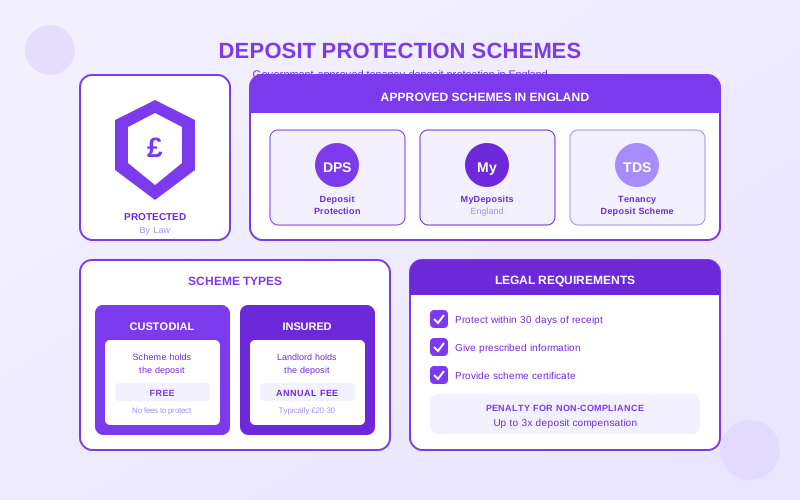
Legal Requirements
The Housing Act 2004 (as amended) sets out the deposit protection requirements:
Next step for landlords
Problem clear? Create the right notice before you serve
If the issue now points toward possession, move from guidance into a notice route that keeps grounds, dates, service, and evidence together.
- Choose the right route before you serve anything.
- Answer plain-English questions. We handle the legal logic.
- Preview the paperwork before you pay.

What Must Be Protected
- Any deposit taken for an assured shorthold tenancy (AST) in England
- This includes holding deposits that become part of the tenancy deposit
- Deposits taken before 6 April 2007 only need protection if the tenancy renewed after that date
The 30-Day Deadline
You must:
- Protect the deposit in an approved scheme within 30 days of receiving it
- Provide the tenant with prescribed information within 30 days of receiving the deposit
Both Steps Required
Protecting the deposit alone isn't enough. You must also serve the prescribed information. Missing either step within 30 days puts you in breach of the regulations.
Maximum Deposit Amount
Since 1 June 2019, deposits for new tenancies are capped at:
- 5 weeks' rent if annual rent is under £50,000
- 6 weeks' rent if annual rent is £50,000 or more
The Three Approved Schemes
There are three government-approved tenancy deposit protection schemes in England:
| Scheme | Custodial | Insured | Best For |
|---|---|---|---|
| Deposit Protection Service (DPS) | ? Free | ? Varies | Most landlords (free custodial) |
| Tenancy Deposit Scheme (TDS) | ? Free | ? Varies | Agents and portfolio landlords |
| MyDeposits | ? Free | ? Varies | Landlords wanting choice |
Deposit Protection Service (DPS)
The DPS is the original government-backed scheme and remains the most popular for individual landlords due to its free custodial option.
- Custodial: Free—you send the deposit to DPS who hold it
- Insured: You keep the deposit but pay for insurance
- Dispute resolution: Free alternative dispute resolution service
Tenancy Deposit Scheme (TDS)
TDS is popular with letting agents and professional landlords. It offers both custodial and insured options with additional services for portfolio management.
- Custodial: Free—deposit held by TDS
- Insured: Annual fee or per-deposit fee options
- Additional services: Inventory tools, landlord resources
MyDeposits
MyDeposits (run by Tenancy Deposit Solutions) offers flexible options and is known for good customer service.
- Custodial: Free—deposit held by MyDeposits
- Insured: Competitive fees for landlords and agents
- Member benefits: Resources and support services
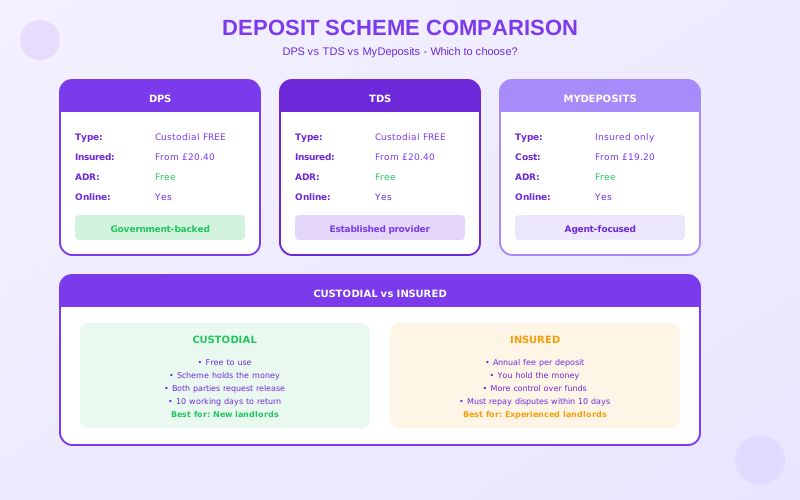
Custodial vs Insured Protection
Custodial Schemes
With custodial protection, you send the deposit to the scheme who hold it until the tenancy ends.
- Pros: Free to use, money held securely, no insurance to manage
- Cons: You don't have access to the money during the tenancy
Insured Schemes
With insured protection, you keep the deposit yourself but pay for insurance that guarantees the tenant can claim if you don't return it properly.
- Pros: You retain the cash, can earn interest, more control
- Cons: Annual or per-deposit fees, must ensure repayment at end
Which Should You Choose?
For most individual landlords, custodial (free) is the simplest choice. The money is held safely, there are no fees, and at tenancy end the scheme manages the return process.
Insured makes sense if you:
- Want to retain the cash for investment or cashflow
- Are a letting agent managing multiple deposits
- Prefer more direct control over the funds
Prescribed Information
Within 30 days of receiving the deposit, you must give the tenant (and any "relevant person") the prescribed information. This includes:
Required Prescribed Information:
- ?Amount of deposit paid
- ?Property address
- ?Landlord's name and contact details
- ?Name and contact details of the scheme administrator
- ?Information about the scheme's dispute resolution service
- ?Circumstances when deductions may be made
- ?How to apply for deposit return at tenancy end
Most schemes provide a template certificate containing this information. Have the tenant sign to acknowledge receipt.
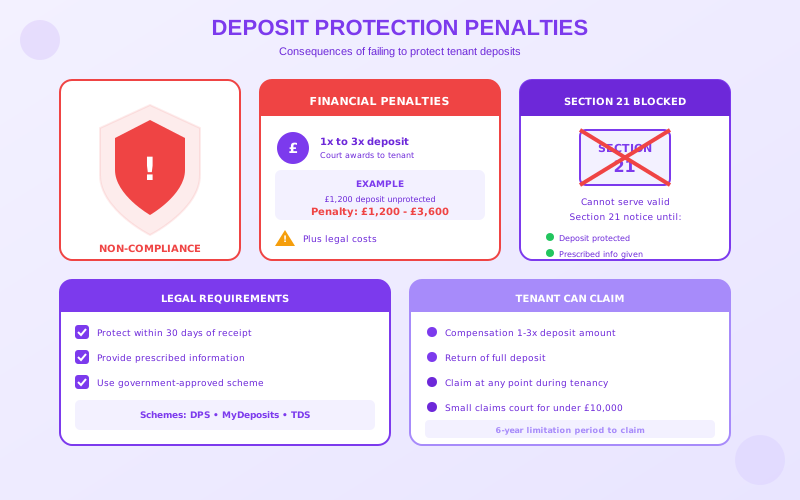
Penalties for Non-Compliance
Financial Penalties
The tenant can claim compensation of 1x to 3x the deposit amount. Courts typically award 1x for first-time or minor breaches, increasing for deliberate non-compliance.
Section 21 Block
You cannot serve a valid Section 21 notice if:
- The deposit wasn't protected within 30 days
- Prescribed information wasn't provided within 30 days
- The deposit remains unprotected at the time of serving notice
Can You Fix It?
If you protect a deposit late, you can potentially cure the defect by returning the deposit before serving Section 21 or by protecting it and providing prescribed information. However, the tenant may still claim penalties, and some case law suggests late compliance doesn't fully cure the breach. Protect on time to avoid risk.
End of Tenancy Process
Agreeing Deductions
At tenancy end, you must agree with the tenant how the deposit will be returned:
- Conduct a check-out inspection (compare against check-in inventory)
- Identify any damage beyond fair wear and tear
- Calculate cleaning costs if property left dirty
- Add any rent arrears
- Propose deductions to the tenant in writing
If You Agree
Both parties confirm the amount to be returned to the tenant and any amount retained by the landlord. The scheme releases funds accordingly within 10 days.
If You Disagree
Use the scheme's free alternative dispute resolution (ADR) service:
- Either party initiates dispute resolution through the scheme
- Both submit evidence (photos, inventory, quotes, etc.)
- An independent adjudicator reviews and makes a binding decision
- Scheme releases deposit according to the decision
Time Limits
- Return undisputed amounts within 10 days of agreement
- Disputes should be raised within 3 months of tenancy end
- Keep evidence for at least 6 years (limitation period for claims)
Deposit Protection FAQ
What if I forgot to protect the deposit?
Protect it immediately and provide prescribed information. You're still in breach and the tenant can claim compensation, but curing the defect is better than leaving it unprotected. Consider returning the deposit before serving Section 21 to avoid that notice being invalid.
Do I need to re-protect for each renewal?
For a statutory periodic tenancy (rolling on after fixed term), no—the original protection continues. For a new contractual periodic or a new fixed term, check with your scheme as some require you to update the protection details.
What if the tenant paid the deposit before the tenancy started?
The 30-day deadline runs from when you received the deposit, not when the tenancy started. If you received a holding deposit that became the tenancy deposit, protect within 30 days of receiving that initial payment.
Can I keep the deposit if the tenant leaves owing rent?
You can make deductions for rent arrears, but must follow the proper process. Propose deductions to the tenant, and if they disagree, use the scheme's dispute resolution. You cannot simply keep the deposit without following procedures.
What evidence do I need for deductions?
Photos comparing check-in and check-out condition, the inventory, quotes or receipts for repairs/cleaning, rent statements, and any correspondence about issues during the tenancy. The more evidence, the stronger your case.
Does deposit protection apply to lodgers?
No. Deposit protection only applies to assured shorthold tenancies. Lodgers (who live with the landlord) and other excluded occupiers are not covered by these rules. However, you should still handle any deposit fairly.
Ensure Full Compliance
Deposit protection issues can derail your Section 21 eviction. Our tools help you verify compliance before you serve notice, avoiding costly court rejections.
Check Section 21 Requirements ?What to do next
Core eviction guides landlords usually need next
These are the core possession guides landlords usually need after notice or arrears problems start.
FAQs for landlords

Question about deposit protection?
Ask Heaven is our free AI assistant that can help with eviction advice, tenancy questions, and more.