
Rated4.8/5 | 3008 reviews
UK Electrical Safety Standards - Complete Landlord Guide 2026
Comprehensive guide to electrical safety requirements for UK landlords. EICR obligations, testing schedules, and compliance requirements explained.
Use this guide when
You need a practical landlord answer, not just a definition
Use this page when you need to understand electrical safety landlord UK in landlord terms, check the evidence or compliance points that matter, and decide whether the next step is a guide, free tool, notice pack, court pack, tenancy agreement, rent increase pack, or money claim route.
You are trying to sort electrical safety landlord uk before it causes a bigger problem later. This guide explains what you need to do, when it matters, and how it affects the rest of your case.
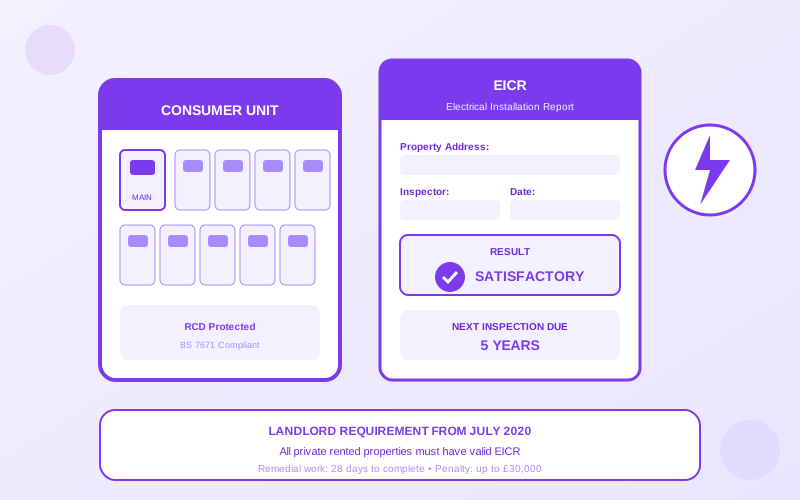
Legal Requirements
Requirements vary by UK nation:
Next step for landlords
Problem clear? Create the right notice before you serve
If the issue now points toward possession, move from guidance into a notice route that keeps grounds, dates, service, and evidence together.
- Choose the right route before you serve anything.
- Answer plain-English questions. We handle the legal logic.
- Preview the paperwork before you pay.

England
- EICR required at least every 5 years
- Must have satisfactory report before new tenancy
- Copy to tenant within 28 days of inspection
- Copy to local authority on request within 7 days
- Remedial work must be completed within 28 days
Scotland
- EICR required at least every 5 years
- Part of Repairing Standard requirements
- Must be provided to tenant before tenancy starts
Wales
- Electrical installations must be safe (Fitness for Human Habitation)
- EICR recommended every 5 years
- Mandatory EICR requirements expected to align with England
Northern Ireland
- No mandatory EICR requirement currently
- Landlords must ensure electrical safety
- EICR strongly recommended as best practice
Penalties
In England, failing to comply can result in fines up to £30,000. Local authorities can also arrange inspections themselves and charge the cost to the landlord.
What is an EICR?
An Electrical Installation Condition Report (EICR) is a formal document produced after inspection and testing of a property's electrical installation.
Who Can Issue an EICR?
- Qualified and competent electrician
- Registered with a government-approved scheme
- Common schemes: NICEIC, NAPIT, ELECSA, BSI
- Check registration before booking
What the Report Shows
- Overall assessment (satisfactory or unsatisfactory)
- Details of any defects found
- Classification codes for each issue
- Recommended timeframes for remedial work
- Date of next inspection
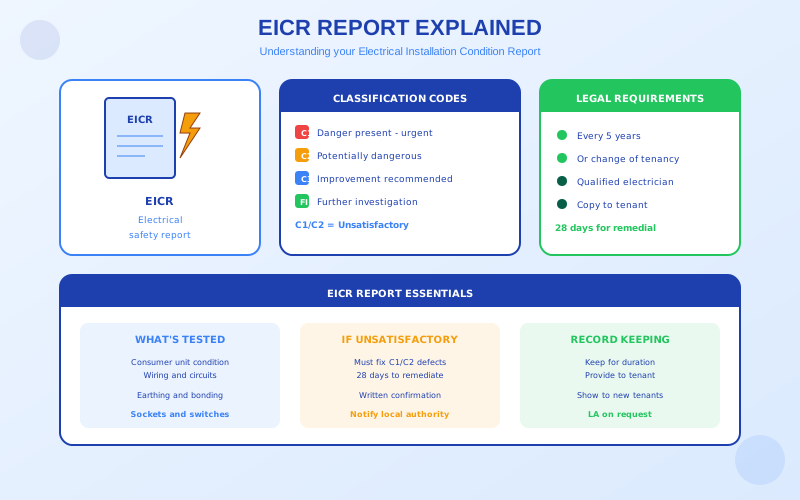
When EICR is Needed
Key timings for electrical inspections:
Regular Inspections
- Every 5 years (or more frequently if recommended)
- At change of occupancy if approaching due date
- Before the previous report expires
Additional Inspections
- After significant electrical work
- If concerns about installation safety
- After flood or fire damage
- On purchase of rental property
Before New Tenancy
| Scenario | EICR Requirement |
|---|---|
| New tenancy, no existing EICR | Must obtain before tenant moves in |
| New tenancy, valid EICR exists | Provide copy to new tenant |
| Renewal, EICR within 5 years | No new inspection needed |
| Periodic tenancy | Maintain valid EICR throughout |
What Gets Inspected
The EICR inspection covers the fixed electrical installation:
Included
- Consumer unit (fuse box)
- Wiring and cables
- Sockets and switches
- Light fittings
- Electric shower installations
- Outdoor sockets and lighting
- Smoke alarm wiring
Not Included
- Portable appliances (these need separate PAT testing)
- Appliances plugged into sockets
- Tenant's own equipment
Furnished Properties
If you provide electrical appliances (washing machine, fridge, etc.), consider Portable Appliance Testing (PAT) to ensure they're safe. This is separate from the EICR requirement.
Codes and Classifications
EICR reports use classification codes to indicate severity:
| Code | Meaning | Action Required |
|---|---|---|
| C1 | Danger present - risk of injury | Immediate action required |
| C2 | Potentially dangerous | Urgent remedial action |
| C3 | Improvement recommended | Advisory, not mandatory |
| FI | Further investigation needed | Investigate and reclassify |
What Makes It Unsatisfactory?
An EICR is marked unsatisfactory if there are any C1, C2, or FI codes. You must:
- Complete remedial work within 28 days (or as specified)
- Obtain written confirmation work is complete
- Supply confirmation to tenant within 28 days
Electrical Safety Resources
Landlord Heaven provides EICR tracking templates, electrician checklists, and compliance documentation for electrical safety management.
View Electrical Resources ?Electrical Safety FAQ
How much does an EICR cost?
Typical costs range from £100-250 depending on property size and location. Larger properties with more circuits cost more. Always get quotes from registered electricians.
What if the tenant won't allow access?
Include access provisions in your tenancy agreement. Give reasonable notice. If access is repeatedly refused, document your attempts. The law provides landlords with a defence if they can show they took reasonable steps.
Can I do electrical work myself?
Minor work like changing sockets is permitted, but notifiable work must be done by a registered electrician or certified by Building Control. For rental properties, using registered electricians is always safest.
Is the EICR tax deductible?
Yes, EICR inspections and any resulting repairs are allowable expenses for income tax purposes. Keep receipts and invoices for your records.
What to do next
Core eviction guides landlords usually need next
These are the core possession guides landlords usually need after notice or arrears problems start.
FAQs for landlords

Have a landlord question?
Ask Heaven is our free AI assistant that can help with eviction advice, tenancy questions, and more.