
Rated4.8/5 | 3008 reviews
UK Property Inventory - Complete Landlord Guide 2026
Essential guide to property inventories for UK landlords. Protect your deposit claims with thorough documentation at check-in and checkout. Get the UK steps...
Use this guide when
You need a practical landlord answer, not just a definition
Use this page when you need to understand property inventory landlords in landlord terms, check the evidence or compliance points that matter, and decide whether the next step is a guide, free tool, notice pack, court pack, tenancy agreement, rent increase pack, or money claim route.
You are trying to sort property inventory landlords before it causes a bigger problem later. This guide explains what you need to do, when it matters, and how it affects the rest of your case.
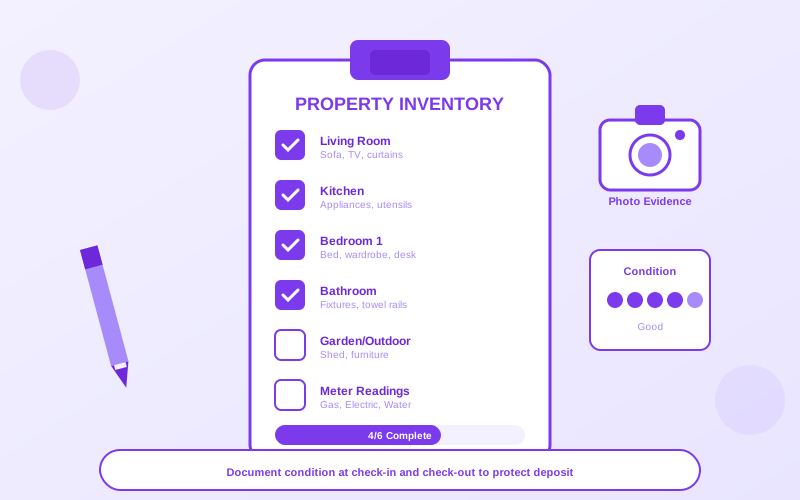
Why Inventories Matter
The inventory is the foundation of any deposit claim. Without it, proving property condition at tenancy start becomes extremely difficult.
Next step for landlords
Problem clear? Create the right notice before you serve
If the issue now points toward possession, move from guidance into a notice route that keeps grounds, dates, service, and evidence together.
- Choose the right route before you serve anything.
- Answer plain-English questions. We handle the legal logic.
- Preview the paperwork before you pay.

Deposit Dispute Reality
In deposit disputes, landlords without proper inventories lose the majority of cases. Adjudicators need evidence of original condition to compare against checkout findings. No inventory often means no claim.
What a Good Inventory Provides
- Baseline condition - documented state at tenancy start
- Item confirmation - proof of what was provided
- Fair comparison - objective checkout assessment
- Dispute evidence - crucial for adjudication
- Tenant protection - prevents unfair claims against them
Legal Context
While inventories aren't legally required, deposit protection schemes strongly recommend them. The burden of proof in disputes falls on the landlord - you must prove damage occurred during the tenancy.
Creating a Comprehensive Inventory
A good inventory is detailed, systematic, and objective. Work through the property methodically.
Structure and Format
Organize your inventory by room, covering:
- Room identification - clear naming system
- Ceiling - condition, light fittings
- Walls - decoration, condition, marks
- Doors and frames - condition, handles, locks
- Windows - frames, glass, locks, blinds/curtains
- Flooring - type, condition, wear patterns
- Fixtures - switches, sockets, radiators
- Furniture - each item, condition, marks
- Appliances - make, model, condition, functionality

Condition Descriptions
Use consistent, objective terminology:
| Term | Meaning |
|---|---|
| New | Unused, original condition |
| Excellent | Like new, minimal use visible |
| Good | Well maintained, minor wear |
| Fair | Average condition, visible wear |
| Poor | Significant wear, needs attention |
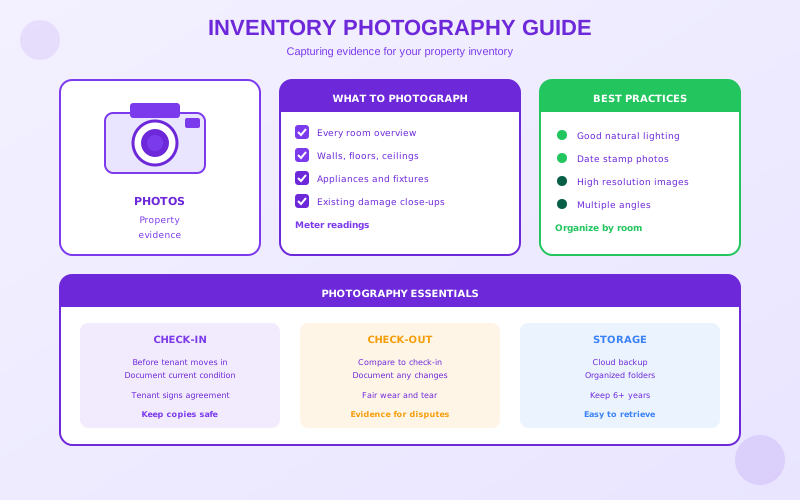
Photography Best Practice
Photos are essential evidence. A written description supported by photographs is far stronger than either alone.
Photography Tips
- Use good lighting - natural light where possible
- Take overview shots - whole room from doorway
- Detail close-ups - existing marks, wear, damage
- Date stamp - ensure camera date is correct
- Be systematic - follow room order in inventory
- Include meter readings - photograph meters
What to Photograph
- Every room from multiple angles
- All appliances (exterior and interior)
- Any existing damage or wear
- Carpets and flooring
- Kitchen and bathroom fixtures
- Garden and outdoor areas
- Windows and their condition
- Keys and access devices
Check-In Process
The check-in is when the inventory becomes a legal document. Handle it properly to maximize its value.
Conducting Check-In
- Walk through property with tenant
- Review inventory room by room together
- Allow tenant to note any disagreements
- Add any items missed in original inventory
- Take photographs of current condition
- Both parties sign and date the inventory
- Provide tenant with a copy
Tenant Signature
The tenant's signature on the inventory is powerful evidence of the property's condition at check-in. If they refuse to sign, note this and consider having an independent witness present.
Checkout Comparison
At checkout, the inventory guides systematic comparison of current condition against the documented starting point.
Checkout Process
- Review original inventory before visit
- Work through each room systematically
- Note current condition of each item
- Photograph any changes or damage
- Distinguish fair wear from damage
- Complete checkout report
- Have tenant sign if present
Fair Wear and Tear
You cannot claim for normal deterioration from everyday use. Fair wear includes:
- Fading from sunlight
- Furniture indentations in carpet
- Minor scuffs in high-traffic areas
- Worn patches on carpets at doors
Inventory Templates
Landlord Heaven provides comprehensive inventory templates, photo checklists, and checkout comparison forms to protect your deposits.
View Inventory Templates ?Inventory FAQ
Should I use a professional inventory clerk?
For furnished properties or high-value rentals, professional clerks provide independent, detailed reports that carry weight in disputes. Costs typically range from £80-200 depending on property size.
Can I use photos only without a written inventory?
Photos alone are insufficient. You need written descriptions with conditions noted. Photos support the written record but don't replace it. Use both for maximum protection.
What if the tenant won't sign the inventory?
Give them a reasonable period (typically 7 days) to review and return with any amendments. If they don't respond, the inventory stands as accurate. Document your attempts to get their agreement.
How detailed does the inventory need to be?
More detail is always better. Note specific marks, scratches, or wear on individual items. Vague descriptions like "good condition" for everything are less useful in disputes than specific observations.
What to do next
Core eviction guides landlords usually need next
These are the core possession guides landlords usually need after notice or arrears problems start.
FAQs for landlords

Have a landlord question?
Ask Heaven is our free AI assistant that can help with eviction advice, tenancy questions, and more.