
Rated4.8/5 | 3008 reviews
Scotland Ground 1 - Landlord Selling Property Guide 2026
Complete guide to Ground 1 eviction in Scotland when selling your rental property. Learn requirements, notice periods, and how to prove genuine intention to...

Assisted prep
Want a second pair of eyes before you act?
Book a free consultation and we will review the route and documents with you. We only confirm paid assisted preparation if we can help.
Book free consultationUse this guide when
You need a practical landlord answer, not just a definition
Use this page when you need to understand scotland ground 1 selling property in landlord terms, check the evidence or compliance points that matter, and decide whether the next step is a guide, free tool, notice pack, court pack, tenancy agreement, rent increase pack, or money claim route.
You are setting up a new tenancy and you do not want to rely on an old template. This guide explains which agreement you need and what to sort before the tenant moves in.
Ground 1 Key Points
- Type: Mandatory (Tribunal must grant if proved)
- Notice period: 28 days (under 6 months) or 84 days (6+ months)
- Key requirement: Genuine intention to sell on the open market
- Evidence: Marketing instructions, estate agent correspondence
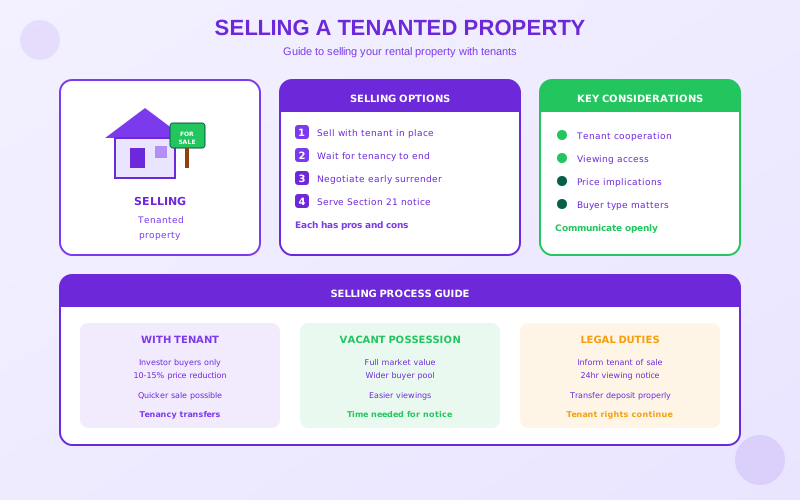
What Is Ground 1?
Ground 1 of Schedule 3 to the Private Housing (Tenancies) (Scotland) Act 2016 states that the landlord "intends to sell the let property."
New tenancy
Setting up a tenancy? Choose the right agreement
If the next job is getting the tenancy in place, choose the agreement route that matches the property and arrangement now.
- Choose the right England agreement route for the tenancy you are setting up.
- Avoid old wording that causes problems later.
- Preview it before you pay.

This is a mandatory ground, meaning the Tribunal has no discretion once you prove the ground applies. The tenant's personal circumstances don't affect the decision.
Who Can Use Ground 1?
- Owner-landlords who want to sell
- Landlords selling due to financial reasons
- Landlords exiting the rental market
- Executors of deceased landlords selling an inherited property
Requirements to Use Ground 1
To successfully use Ground 1, you must prove:
The Two Requirements:
- 1You intend to sell the property
A genuine intention at the time of the Tribunal hearing
- 2You intend to sell on the open market
Not a private sale to family or at undervalue to avoid the ground
Proving Your Intention to Sell
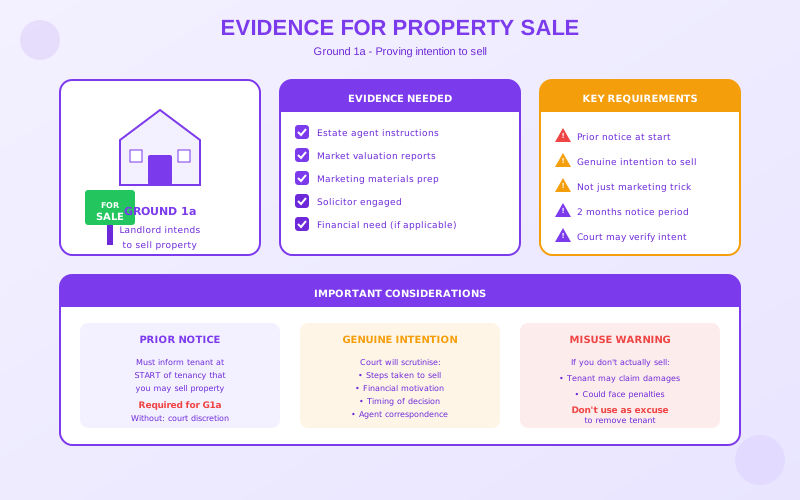
Evidence That Helps
- Estate agent instructions: Written confirmation you've instructed agents
- Marketing materials: Particulars, photos, listing drafts
- Valuation reports: Professional valuations obtained
- Correspondence: Emails with agents about marketing strategy
- Your statement: Explaining why you want to sell
Timing of Marketing
You don't need to have already marketed the property, but evidence of concrete steps toward sale strengthens your case. Many landlords instruct agents before serving the Notice to Leave.
Genuineness Is Key
The Tribunal will assess whether your intention is genuine. If you evict using Ground 1 but then don't sell (or re-let the property), the tenant may have grounds for a wrongful termination claim.
Notice Requirements
Notice Periods
| Tenancy Length | Notice Period |
|---|---|
| Under 6 months | 28 days |
| 6 months or more | 84 days |
The 84-day period for established tenancies gives the tenant time to find alternative accommodation.
Tribunal Process
Application
After the notice period expires, apply to the Tribunal with:
- Application form
- Notice to Leave and proof of service
- Tenancy agreement
- Evidence of intention to sell
- Your statement explaining your plans
At the Hearing
The Tribunal will ask you to confirm:
- You own the property
- You intend to sell it
- What steps you've taken toward sale
- Your reasons for selling
If Successful
The Tribunal grants an eviction order. The tenant must leave by the specified date (usually 14 days from the order). If they don't, you can instruct sheriff officers.
What Happens After Eviction
You Must Follow Through
If you used Ground 1, you should actually sell the property. While there's no strict legal timeline, failing to sell may expose you to:
- Claims of bad faith
- Wrongful termination damages
- Difficulty using the ground in future
Selling With Vacant Possession
The property will be vacant, making sale easier. You can market immediately, conduct viewings, and complete the sale without tenant complications.
Ground 1 FAQ
Can I sell with the tenant in place instead?
Yes, you can sell to another landlord who will take over the tenancy. But if you want vacant possession (often needed for sale to owner-occupiers), you need to evict first.
What if I change my mind after eviction?
If you don't sell and instead re-let the property, the former tenant may claim wrongful termination. You could be liable for their costs and damages.
Do I need a confirmed buyer?
No. You need to prove intention to sell, not a completed sale. Evidence that you've instructed agents or are actively marketing is sufficient.
Can my tenant buy the property?
Yes, and this can be a good outcome. If the tenant wants to buy, you can negotiate directly. The eviction may not be necessary if you agree a sale.
Selling Your Rental Property?
Landlord Heaven provides guides and templates for landlords selling their properties, including notice templates and Tribunal application support.
View Eviction Products ?Prefer us to prepare it with you?
Free consultation before any assisted eviction preparation is agreed
We discuss the facts first. If we can help, we confirm the scope and send a secure Stripe payment link afterwards.
Unsure about grounds or dates?
Landlord Section 8 notice assistance
Free consultation · £149.00 only if we confirm we can help
Before you serve, we help organise your Form 3A, tenant details, notice timing, service plan and evidence prompts around the facts you approve.
Book free consultation
Want the full case, including court forms?
Landlord eviction assistance service
Free consultation · £399.00 only if we confirm we can help
Our £399 full-case service can cover your Section 8 notice, service record, N5, N119 particulars of claim and supporting bundle. If you have already served notice, we focus on the court-stage pack.
Book free consultationWhat to do next
Core eviction guides landlords usually need next
These are the core possession guides landlords usually need after notice or arrears problems start.
FAQs for landlords

Have a landlord question?
Ask Heaven is our free AI assistant that can help with eviction advice, tenancy questions, and more.