
Rated4.8/5 | 3008 reviews
Scotland Ground 6 - Non-Residential Purpose Eviction Guide 2026
Complete guide to Ground 6 eviction in Scotland when the landlord intends to use the property for a non-residential purpose. Learn requirements, evidence nee...

Assisted prep
Want a second pair of eyes before you act?
Book a free consultation and we will review the route and documents with you. We only confirm paid assisted preparation if we can help.
Book free consultationUse this guide when
You need a practical landlord answer, not just a definition
Use this page when you need to understand scotland ground 6 non-residential eviction in landlord terms, check the evidence or compliance points that matter, and decide whether the next step is a guide, free tool, notice pack, court pack, tenancy agreement, rent increase pack, or money claim route.
You are setting up a new tenancy and you do not want to rely on an old template. This guide explains which agreement you need and what to sort before the tenant moves in.
Ground 6 Key Points
- Type: Mandatory ground
- Notice period: 28 days (under 6 months) or 84 days (6+ months)
- Key requirement: Genuine intention to use property for non-residential purpose
- Evidence: Planning applications, business plans, change of use documentation
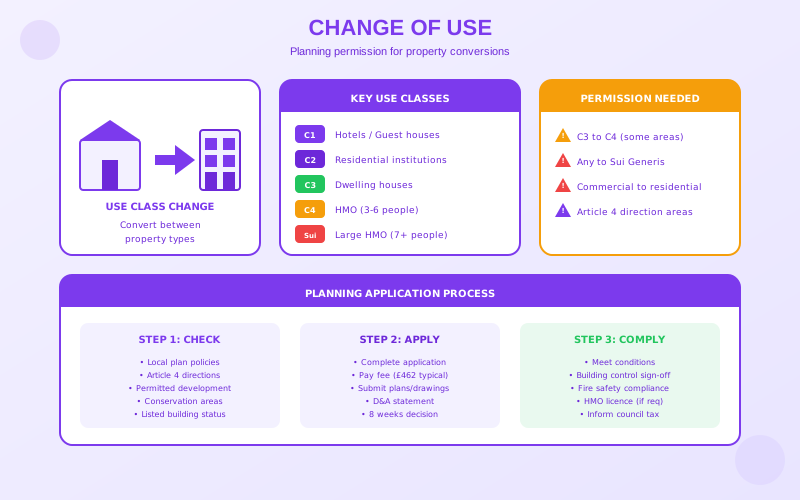
What Is Ground 6?
Ground 6 of Schedule 3 to the Private Housing (Tenancies) (Scotland) Act 2016 applies when the landlord intends to use the property for a purpose other than providing a person with a home. This could include converting the property to:
New tenancy
Setting up a tenancy? Choose the right agreement
If the next job is getting the tenancy in place, choose the agreement route that matches the property and arrangement now.
- Choose the right England agreement route for the tenancy you are setting up.
- Avoid old wording that causes problems later.
- Preview it before you pay.

- Office or commercial premises
- Retail space or shop
- Holiday let or short-term accommodation
- Storage or warehouse facility
- Community or religious use
- Any other non-residential purpose
This is a mandatory ground. If you prove your genuine intention to change the property's use, the Tribunal must grant an eviction order.
Requirements
To successfully use Ground 6, you must demonstrate:
Three Key Requirements:
- 1Genuine intention to change use
You must have a real, settled intention to use the property for something other than housing
- 2The new use is non-residential
The intended purpose must not be providing someone with a home
- 3You will actually carry out this change
Not just an excuse to remove the tenant
What Counts as Non-Residential?
The key test is whether the property will be used to provide someone with a home. If not, it qualifies as non-residential. Examples include:
| Non-Residential Uses | Still Residential (Ground 6 Won't Work) |
|---|---|
| Office space | Letting to a different tenant |
| Retail premises | Student accommodation |
| Holiday let (short-term only) | HMO (shared housing) |
| Storage facility | Supported housing |
Holiday Lets: Be Careful
Converting to a short-term holiday let may qualify as non-residential, but you must check local licensing requirements. Many Scottish councils now require short-term let licences, and some areas have control zones restricting new holiday lets.
Evidence Needed
The Tribunal will want to see evidence that your intention is genuine. Stronger evidence means a better chance of success.
Strong Evidence
- Planning permission: Application or approval for change of use
- Business plan: Detailed plans for the new use
- Building warrant: For any conversion works needed
- Contractor quotes: For conversion or renovation
- Licence applications: For short-term lets or other regulated uses

Planning Permission
Depending on the intended new use, you may need planning permission for change of use. The Scottish planning system uses "use classes" to categorise properties.
When Planning Permission Is Required
A change from residential (Class 9) to another use class typically requires planning permission. This includes:
- Class 1 (Shops)
- Class 2 (Financial and professional services)
- Class 3 (Food and drink)
- Class 4 (Business - offices, research)
- Class 6 (Storage or distribution)
Tip: Apply Early
Having a planning application submitted (even if not yet decided) significantly strengthens your Ground 6 case. It shows genuine intention and commitment to the change of use.
Notice Requirements
Notice to Leave
You must serve a valid Notice to Leave citing Ground 6. The notice period depends on tenancy length:
| Tenancy Length | Notice Period |
|---|---|
| Under 6 months | 28 days |
| 6 months or more | 84 days |
Tribunal Process
Application
After the notice expires, apply to the First-tier Tribunal with:
- Application form
- Notice to Leave and proof of service
- Tenancy agreement
- Evidence of your intended non-residential use
- Planning applications or permissions
- Business plans or proposals
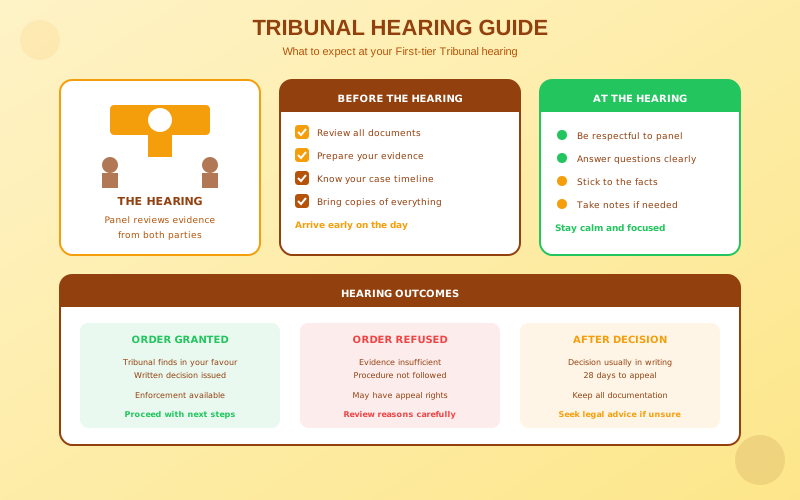
At the Hearing
The Tribunal will consider:
- Is your intention genuine?
- Is the proposed use truly non-residential?
- Do you have concrete plans to change the use?
- Is there evidence you'll actually carry out the change?
Ground 6 FAQ
What if I change my mind after eviction?
If you evict using Ground 6 but then don't change the property's use, the former tenant may have a claim for wrongful termination. The Tribunal expects you to follow through on your stated intentions.
Do I need planning permission before applying?
Not necessarily, but having a planning application in progress strengthens your case significantly. At minimum, you should have investigated whether permission is needed.
Can I convert to a holiday let?
Potentially yes, as holiday lets are generally non-residential. However, you'll need a short-term let licence and may need planning permission in control areas.
What if planning permission is refused?
If you've already evicted the tenant and planning is then refused, you may face problems. Consider waiting for planning approval before starting eviction.
Can I let the property residentially again later?
There's no specific time restriction, but immediately re-letting residentially would suggest your Ground 6 application was not genuine.
Planning a Change of Use?
Landlord Heaven provides guidance and templates for landlords looking to convert residential property to other uses.
View Eviction Products ?Prefer us to prepare it with you?
Free consultation before any assisted eviction preparation is agreed
We discuss the facts first. If we can help, we confirm the scope and send a secure Stripe payment link afterwards.
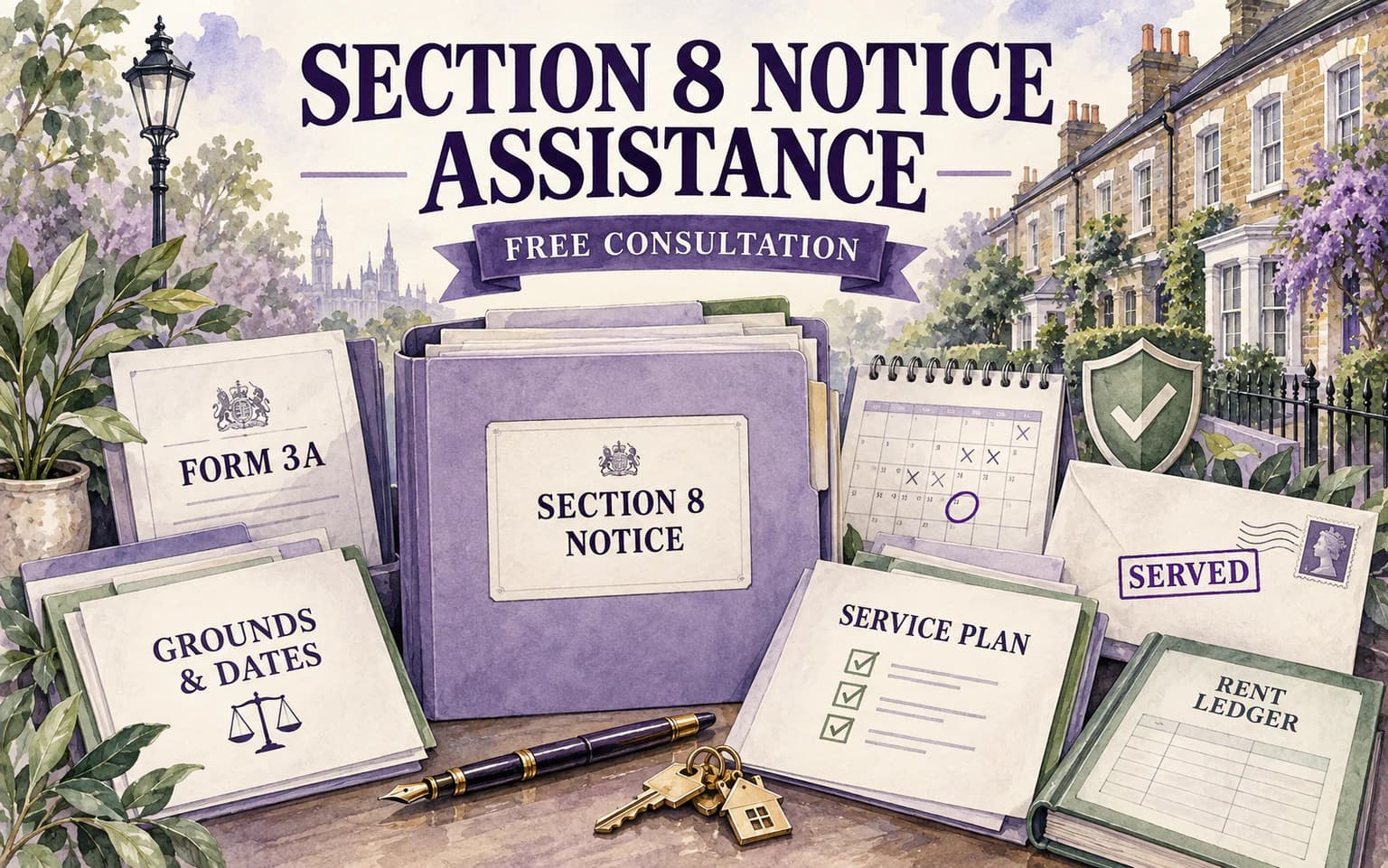
Unsure about grounds or dates?
Landlord Section 8 notice assistance
Free consultation · £149.00 only if we confirm we can help
Before you serve, we help organise your Form 3A, tenant details, notice timing, service plan and evidence prompts around the facts you approve.
Book free consultation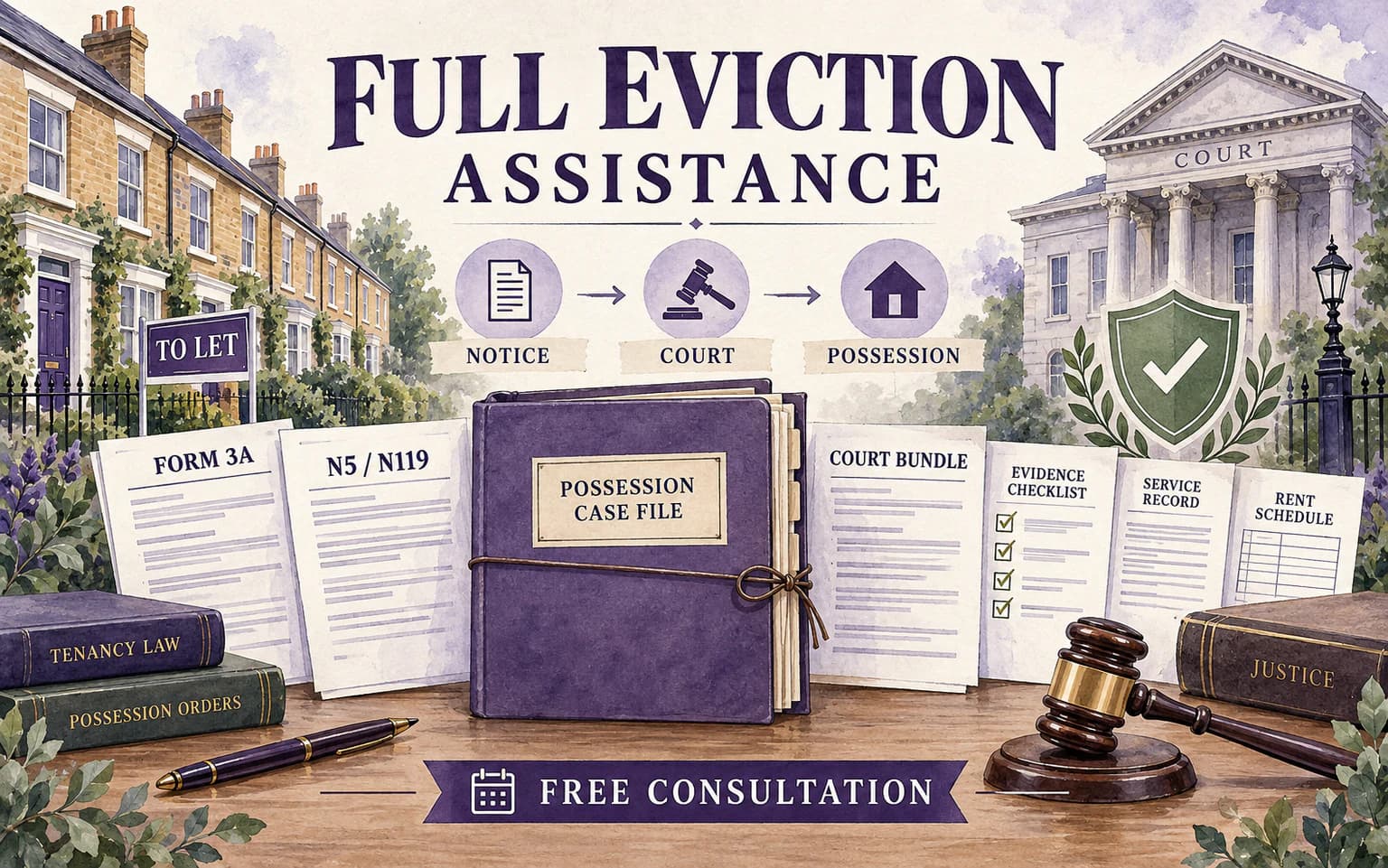
Want the full case, including court forms?
Landlord eviction assistance service
Free consultation · £399.00 only if we confirm we can help
Our £399 full-case service can cover your Section 8 notice, service record, N5, N119 particulars of claim and supporting bundle. If you have already served notice, we focus on the court-stage pack.
Book free consultationWhat to do next
Core eviction guides landlords usually need next
These are the core possession guides landlords usually need after notice or arrears problems start.
FAQs for landlords

Have a landlord question?
Ask Heaven is our free AI assistant that can help with eviction advice, tenancy questions, and more.