
Rated4.8/5 | 3008 reviews
UK EPC Requirements - Complete Landlord Guide 2026
Essential guide to Energy Performance Certificates for UK landlords. Understand current requirements, upcoming changes, and how to improve your property rating.
Use this guide when
You need a practical landlord answer, not just a definition
Use this page when you need to understand EPC requirements landlords UK in landlord terms, check the evidence or compliance points that matter, and decide whether the next step is a guide, free tool, notice pack, court pack, tenancy agreement, rent increase pack, or money claim route.
You are trying to sort epc requirements landlords uk before it causes a bigger problem later. This guide explains what you need to do, when it matters, and how it affects the rest of your case.
EPC Basics
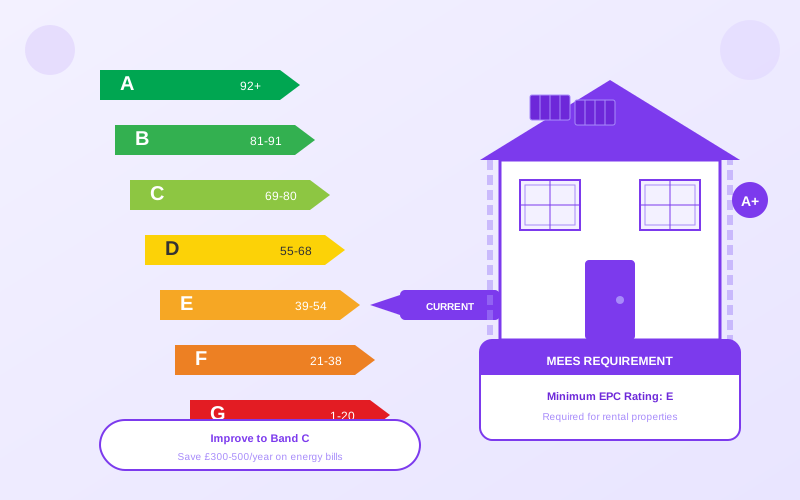
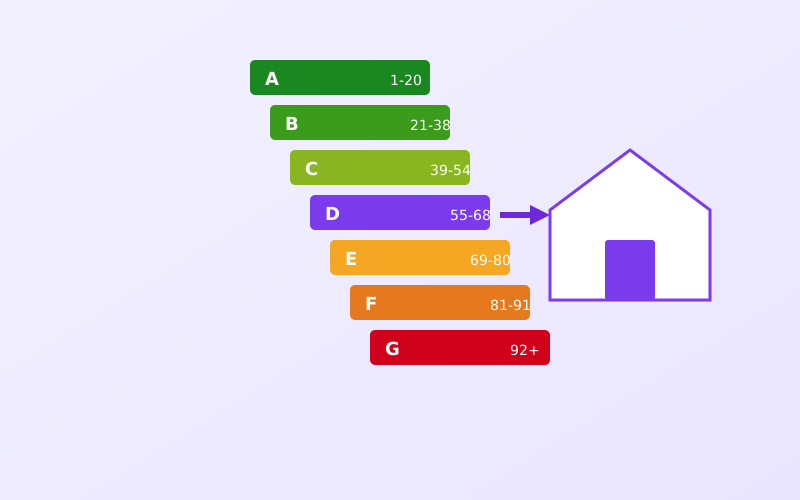
An Energy Performance Certificate rates a property's energy efficiency on a scale from A to G, with A being the most efficient. The certificate also provides recommendations for improvement.
Next step for landlords
Problem clear? Create the right notice before you serve
If the issue now points toward possession, move from guidance into a notice route that keeps grounds, dates, service, and evidence together.
- Choose the right route before you serve anything.
- Answer plain-English questions. We handle the legal logic.
- Preview the paperwork before you pay.

What the EPC Shows
EPCs display two ratings: current efficiency and potential efficiency if improvements are made. They also estimate running costs and show the property's environmental impact.
When You Need an EPC
- Before marketing a property for rent
- Before a new tenancy starts
- When an existing EPC expires (10-year validity)
- If significant improvements have been made
EPC Assessors
EPCs must be produced by accredited assessors. They inspect the property, assess insulation, heating, lighting, and other factors, then produce the certificate and recommendations.
Current Requirements (2026)
The Minimum Energy Efficiency Standards (MEES) set the baseline for rental properties in England and Wales.
Current Minimum: E Rating
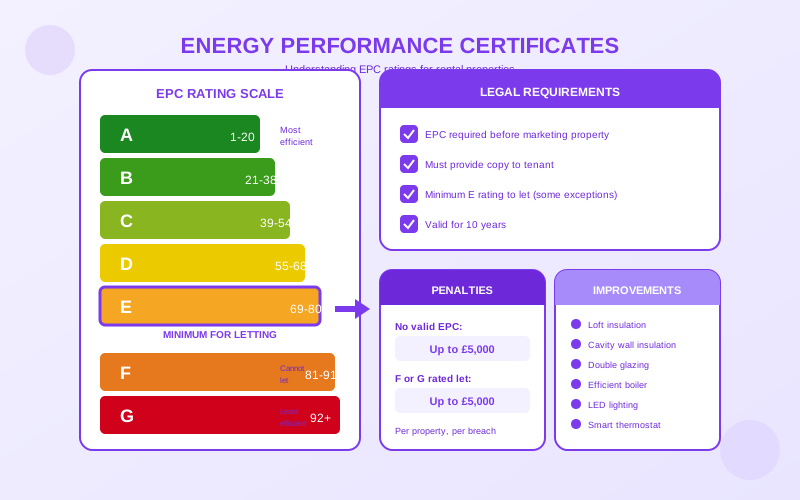
Since April 2020, it has been illegal to let a property with an EPC rating below E in England and Wales, whether to new or existing tenants.
| Rating | Status | Action Required |
|---|---|---|
| A-C | Future-proof | None required currently |
| D | Compliant now, changes coming | Plan improvements before 2028 |
| E | Minimum acceptable | Urgent improvements needed |
| F-G | Non-compliant | Cannot legally let |
Penalties for Non-Compliance
Letting a non-compliant property can result in penalties:
- Up to £5,000 per property for renting out F/G rated property
- Publication on public register of non-compliant landlords
- Tenant claims for substandard accommodation
Upcoming Changes
The government has proposed raising the minimum EPC rating for rental properties. While exact dates have been delayed, the direction is clear.
Proposed Changes
The government has indicated that rental properties will need a minimum C rating in the future. Originally proposed for 2025 (new tenancies) and 2028 (all tenancies), exact implementation dates are subject to consultation.
Scotland and Northern Ireland
Scotland and Northern Ireland have their own energy efficiency requirements:
- Scotland - working toward minimum E, with C rating ambitions
- Northern Ireland - currently minimum E required
Improving Your EPC Rating
Various improvements can boost your rating. Start with recommendations on your current EPC.
Common Improvements
| Improvement | Typical Cost | Rating Impact |
|---|---|---|
| Loft insulation (270mm) | £300-500 | Up to +10 points |
| Cavity wall insulation | £500-1,500 | Up to +15 points |
| LED lighting throughout | £100-300 | +3-5 points |
| New condensing boiler | £2,000-3,500 | Up to +20 points |
| Double glazing | £3,000-8,000 | +5-10 points |
| Smart heating controls | £200-400 | +3-5 points |
Cost-Effective First Steps
- Install LED bulbs throughout
- Top up loft insulation to 270mm
- Draught-proof doors and windows
- Install smart thermostat
- Lag hot water cylinder and pipes
Exemptions
In certain circumstances, properties can be exempt from MEES requirements.
Available Exemptions
- Cost cap exemption - if no improvements under the cost cap would raise rating to E
- All improvements made - if all relevant improvements already done
- Wall insulation exemption - if this would damage the property
- Third party consent - if consent for improvements is refused
- Devaluation exemption - if improvements would devalue by 5%+
Exemption Registration
Exemptions must be registered on the PRS Exemptions Register. They typically last 5 years before reassessment is needed. Simply claiming exemption without registration is not valid.
EPC Improvement Planning
Landlord Heaven provides EPC assessment checklists, improvement cost calculators, and guidance on meeting current and future requirements.
View EPC Resources ?EPC Requirements FAQ
How long is an EPC valid?
EPCs are valid for 10 years. However, if you make significant improvements, getting a new EPC can demonstrate the higher rating to prospective tenants.
Do I need a new EPC for every tenancy?
No, as long as the EPC is still valid (within 10 years). However, you must provide the EPC to prospective and new tenants at the start of each tenancy.
Can I challenge an EPC rating?
If you believe the assessment was inaccurate, you can commission a new assessment from a different assessor. Ratings can vary slightly between assessors based on their observations.
What grants are available for improvements?
Various grants exist depending on your location and circumstances. Check the Energy Company Obligation (ECO) scheme and local authority grants. Eligibility varies by property and owner situation.
What to do next
Core eviction guides landlords usually need next
These are the core possession guides landlords usually need after notice or arrears problems start.
FAQs for landlords

Have a landlord question?
Ask Heaven is our free AI assistant that can help with eviction advice, tenancy questions, and more.