
Rated4.8/5 | 3008 reviews
UK Furnished vs Unfurnished Letting - Complete Landlord Guide 2026
Comprehensive guide comparing furnished and unfurnished rentals for UK landlords. Pros, cons, tax implications, and choosing the right approach.
Use this guide when
You need a practical landlord answer, not just a definition
Use this page when you need to understand furnished vs unfurnished rental UK in landlord terms, check the evidence or compliance points that matter, and decide whether the next step is a guide, free tool, notice pack, court pack, tenancy agreement, rent increase pack, or money claim route.
This guide explains furnished vs unfurnished rental uk in plain English, including the rules, common mistakes and practical next steps.
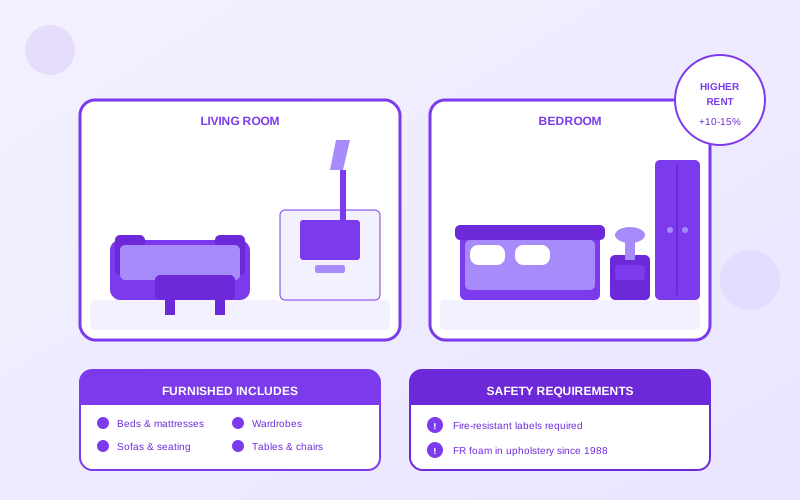
What Counts as Furnished?
There are three main categories:
Next step for landlords
Problem clear? Create the right notice before you serve
If the issue now points toward possession, move from guidance into a notice route that keeps grounds, dates, service, and evidence together.
- Choose the right route before you serve anything.
- Answer plain-English questions. We handle the legal logic.
- Preview the paperwork before you pay.

Unfurnished
Minimum provision only:
- Basic fixtures (kitchen units, bathroom suite)
- Flooring (carpet or hard floor)
- Light fittings
- Curtain poles/blinds
- Built-in wardrobes (if present)
Part-Furnished
Includes major items only:
- White goods (washing machine, fridge, oven)
- Sometimes includes beds
- No soft furnishings
Fully Furnished
Complete living setup:
- All white goods
- Beds with mattresses
- Sofas and chairs
- Dining table and chairs
- Wardrobes and storage
- Curtains and soft furnishings
- Sometimes kitchenware and linens
Pros and Cons
Furnished Properties
| Pros | Cons |
|---|---|
| Higher rent achievable | Higher initial investment |
| Attracts professionals and students | Furniture maintenance/replacement |
| Faster lettings in some markets | Shorter average tenancies |
| Control over property appearance | Wear and tear on furniture |
Unfurnished Properties
| Pros | Cons |
|---|---|
| Lower upfront costs | Lower rent potential |
| Less maintenance responsibility | Smaller tenant pool |
| Longer tenancies typical | Tenants may not care for property |
| Attracts families settling long-term | Empty property can be harder to show |
Rent Differences
Furnished properties typically command 5-15% higher rent:
Premium Factors
- Location - higher premium in city centres
- Quality - modern furniture commands more
- Completeness - fully equipped attracts most
- Tenant type - professionals pay more for convenience
Calculating Value
Example calculation:
- Unfurnished rent: £1,000/month
- Furnished premium: £100/month (+10%)
- Annual extra income: £1,200
- Furniture cost: £3,000
- Payback period: 2.5 years
Consider furniture lifespan (5-10 years) versus payback period when deciding.
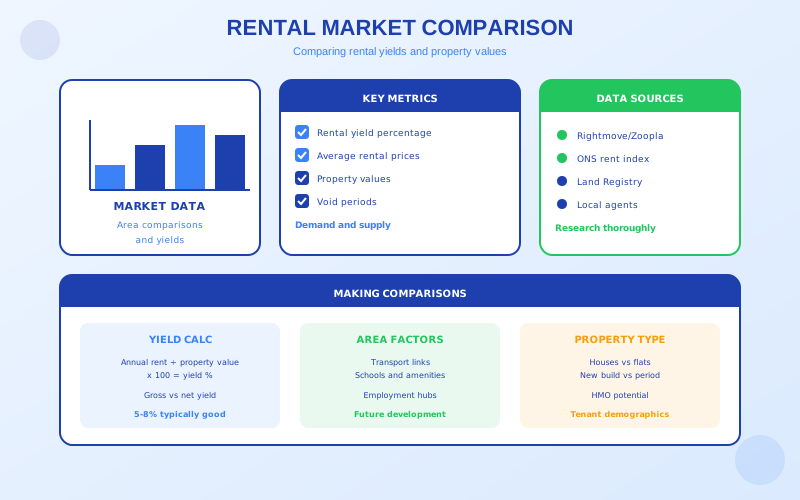
Tenant Preferences
Different tenant types have different preferences:
Prefer Furnished
- Young professionals
- Students
- Relocating workers
- Corporate tenants
- International arrivals
- Short-term tenants
Prefer Unfurnished
- Families with children
- Long-term renters
- People with existing furniture
- Those wanting to personalise
- Pet owners (easier to manage damage)
Market Research
Check what similar properties in your area offer. In student areas, furnished is standard. In family suburbs, unfurnished may be normal. Match your offering to local demand.
Tax Implications
The tax treatment differs slightly:
Replacement Furniture Relief
For furnished lettings, you can claim relief when replacing furniture:
- Claim cost of replacement (not improvement)
- Deduct from rental income for tax
- Applies to domestic items (furniture, furnishings, appliances)
- Cannot claim for initial furniture purchase
Capital Allowances
Initial furniture costs cannot be deducted directly but:
- Considered when calculating capital gains
- Added to property cost base
- Reduces CGT when you sell
Furnishing Resources
Landlord Heaven provides furnished property checklists, inventory templates, and furnishing guides for landlords setting up rental properties.
View Furnishing Resources ?Furnished Letting FAQ
Who is responsible for furniture repairs?
Landlords are responsible for maintaining furniture they provide in safe, usable condition. Normal wear and tear is your responsibility. Damage beyond normal wear can be deducted from deposit with evidence.
Can tenants remove or change furniture?
Include terms in your tenancy agreement. Generally, tenants should not remove or dispose of provided furniture. They may store it with your permission, but must return items at the end of tenancy.
What furniture quality should I provide?
Match quality to your target market and rent level. Durable, neutral furniture works best. Avoid very cheap items that won't last, or expensive items you'll worry about. Mid-range, practical choices usually work best.
Do furnished properties need fire safety labels?
Yes. Upholstered furniture in rental properties must comply with fire safety regulations and display appropriate labels. This includes sofas, mattresses, and padded chairs. Check for permanent labels.
What to do next
Core eviction guides landlords usually need next
These are the core possession guides landlords usually need after notice or arrears problems start.
FAQs for landlords

Have a landlord question?
Ask Heaven is our free AI assistant that can help with eviction advice, tenancy questions, and more.