
Rated4.8/5 | 3008 reviews
UK Buy-to-Let Investment - Complete Guide 2026
Comprehensive guide to buy-to-let property investment in the UK. Understand financing, yields, costs, and strategies for building a property portfolio.
Use this guide when
You need a practical landlord answer, not just a definition
Use this page when you need to understand buy to let investment UK in landlord terms, check the evidence or compliance points that matter, and decide whether the next step is a guide, free tool, notice pack, court pack, tenancy agreement, rent increase pack, or money claim route.
This guide explains buy to let investment uk in plain English, including the rules, common mistakes and practical next steps.
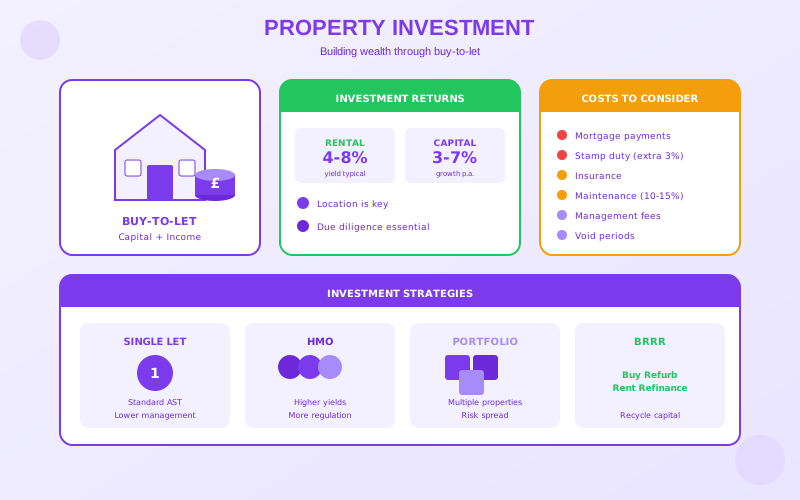
Buy-to-Let Investment Basics
Buy-to-let involves purchasing property specifically to rent out to tenants. Returns come from two sources: rental income and capital appreciation.
Next step for landlords
Problem clear? Create the right notice before you serve
If the issue now points toward possession, move from guidance into a notice route that keeps grounds, dates, service, and evidence together.
- Choose the right route before you serve anything.
- Answer plain-English questions. We handle the legal logic.
- Preview the paperwork before you pay.

Is Buy-to-Let Right for You?
Consider these factors before investing:
- Capital required - typically 25%+ deposit plus costs
- Income stream - rental income less expenses and mortgage
- Time commitment - management responsibilities
- Risk tolerance - void periods, bad tenants, market changes
- Long-term outlook - property is an illiquid, long-term investment
Investment Mindset
Successful property investment requires treating it as a business, not a passive hobby. Plan carefully, understand the numbers, and be prepared for the responsibilities of being a landlord.
Market Conditions 2026
Current factors affecting the buy-to-let market:
- Interest rates stabilizing but higher than pre-2022 levels
- Strong rental demand in most areas
- Regulatory requirements increasing compliance costs
- Tax changes affecting individual landlord profitability
- Energy efficiency requirements driving upgrade costs
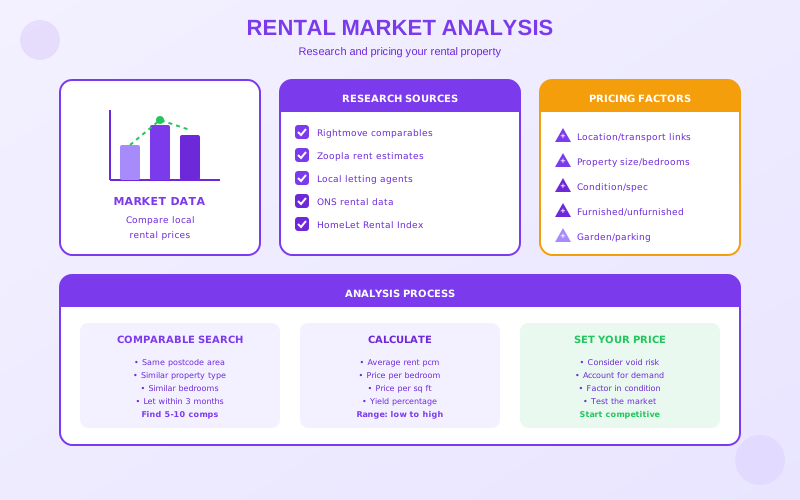
Financing Options
Most investors use buy-to-let mortgages, though other options exist. Understanding your financing options is crucial.
Buy-to-Let Mortgages
Key features of buy-to-let mortgages:
- Deposit - typically 25% minimum (some require 40%)
- Interest rates - usually 0.5-1% higher than residential
- Assessment - based on rental income, not your salary
- Stress testing - rent must cover mortgage at higher rates
- Interest-only - most BTL mortgages are interest-only
| Product Type | Features | Best For |
|---|---|---|
| Fixed rate | Locked rate for 2-5 years | Budget certainty, rising rate concerns |
| Tracker | Follows base rate + margin | Falling rate expectations |
| Discounted variable | Below SVR for set period | Flexibility with lower initial cost |
| Portfolio mortgage | Multiple properties under one loan | Established portfolio landlords |
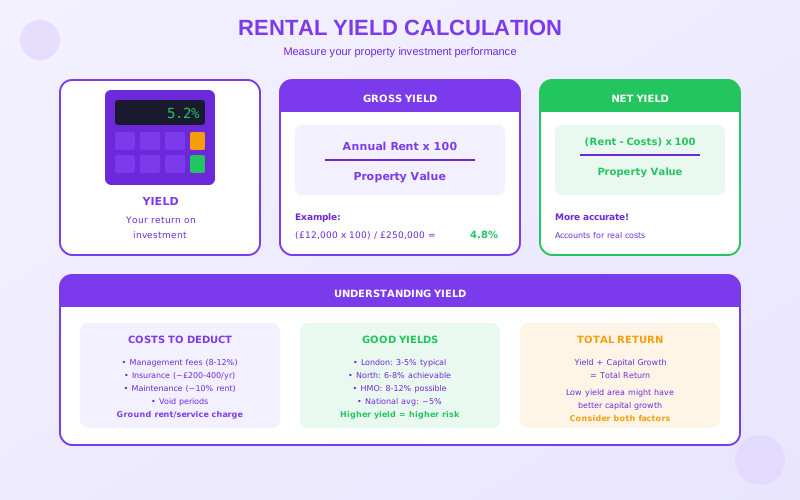
Understanding Yield Calculations
Yield measures the return on your investment. Understanding different yield calculations helps you compare opportunities accurately.
Gross Yield
The simplest calculation - annual rent divided by property price:
Example: £12,000 annual rent - £200,000 property = 6% gross yield
Net Yield
More realistic - accounts for costs:
Example: (£12,000 - £4,000 costs) - £200,000 = 4% net yield
Return on Investment (ROI)
Measures return on your actual cash invested:
Complete Costs Analysis
Many new investors underestimate costs. A thorough analysis is essential for accurate profitability projections.
Purchase Costs
- Stamp Duty - 3% surcharge on additional properties
- Legal fees - £800-1,500 typically
- Survey - £300-600 depending on type
- Mortgage fees - arrangement, valuation, broker
- Initial repairs/renovation - varies significantly
Ongoing Costs
- Mortgage payments - usually the largest expense
- Insurance - buildings, contents, rent guarantee
- Management fees - 8-15% if using agent
- Maintenance - budget 10-15% of rent
- Safety certificates - gas, electrical, EPC
- Void periods - budget 4-8% for empty periods
Hidden Costs Warning
Don't forget: void periods between tenants, emergency repairs, potential legal costs, and the time you invest. Many landlords underestimate these and overestimate their returns.
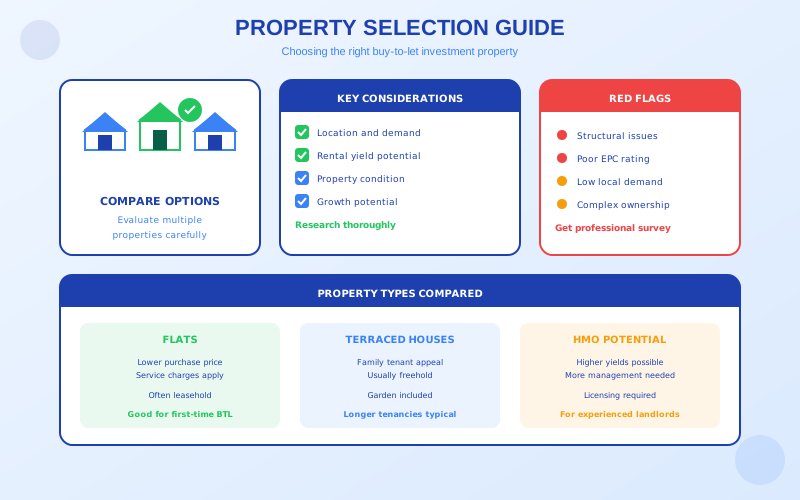
Property Selection Strategy
Choosing the right property is crucial for investment success. Consider multiple factors beyond just purchase price.
Location Factors
- Tenant demand - employment, universities, transport
- Rental yields - research local market rates
- Capital growth potential - regeneration, infrastructure
- Crime rates - affects demand and insurance
- School catchments - important for family lets
Property Factors
- Property type - flats, houses, HMOs have different dynamics
- Condition - ready to let vs renovation project
- EPC rating - minimum C required by 2028 (proposed)
- Maintenance needs - age, construction type
- Layout efficiency - does it maximize rental potential?
Investment Analysis Tools
Landlord Heaven provides yield calculators, property analysis templates, and investment comparison tools to help you make informed decisions.
View Investment Tools ?Buy-to-Let Investment FAQ
Is buy-to-let still worth it in 2026?
It can be, but requires more careful analysis than before. Higher interest rates, increased regulation, and tax changes mean margins are tighter. Success depends on buying right, managing efficiently, and taking a long-term view.
Should I buy personally or through a company?
It depends on your circumstances. Company ownership offers full mortgage interest relief and lower tax rates, but has higher mortgage costs and extraction complexities. Get professional advice for your specific situation.
What yield should I aim for?
Gross yields of 6-8% are generally considered good, but location matters. London yields are lower (3-5%) but offer capital growth potential. Northern cities often offer higher yields (7-10%) with less capital growth.
How many properties should I start with?
Start with one property and learn the business before expanding. Understand the responsibilities, costs, and time involved. Once comfortable, you can grow strategically using equity and experience gained.
What to do next
Core eviction guides landlords usually need next
These are the core possession guides landlords usually need after notice or arrears problems start.
FAQs for landlords

Have a landlord question?
Ask Heaven is our free AI assistant that can help with eviction advice, tenancy questions, and more.