
Rated4.8/5 | 3008 reviews
UK Landlord Licensing - Complete Guide 2026
Essential guide to landlord licensing schemes across the UK. Understand mandatory, selective, and additional licensing requirements for rental properties.
Use this guide when
You need a practical landlord answer, not just a definition
Use this page when you need to understand landlord licensing UK in landlord terms, check the evidence or compliance points that matter, and decide whether the next step is a guide, free tool, notice pack, court pack, tenancy agreement, rent increase pack, or money claim route.
You are trying to sort landlord licensing uk before it causes a bigger problem later. This guide explains what you need to do, when it matters, and how it affects the rest of your case.
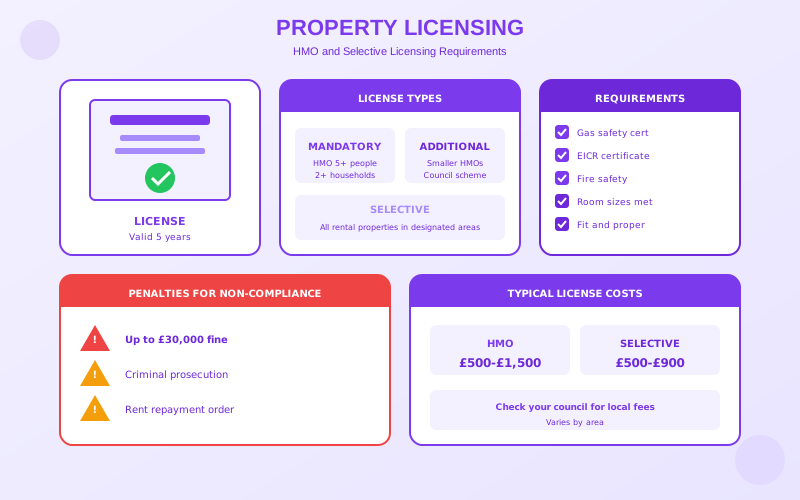
Licensing Overview
Several types of landlord licensing exist in the UK. The requirements depend on property type, location, and how many tenants live there.
Next step for landlords
Problem clear? Create the right notice before you serve
If the issue now points toward possession, move from guidance into a notice route that keeps grounds, dates, service, and evidence together.
- Choose the right route before you serve anything.
- Answer plain-English questions. We handle the legal logic.
- Preview the paperwork before you pay.

| License Type | Applies To | Where |
|---|---|---|
| Mandatory HMO | 5+ people, 2+ households | England & Wales |
| Additional HMO | Smaller HMOs | Selected council areas |
| Selective | All private rentals in area | Designated areas only |
| Scotland Registration | All landlords | Scotland only |
| Rent Smart Wales | All landlords | Wales only |
Penalties for Unlicensed Letting
Letting without required licenses is a criminal offense. Penalties include fines up to £30,000, rent repayment orders, and inability to use Section 21 for possession. Some councils actively enforce licensing requirements.
Mandatory HMO Licensing
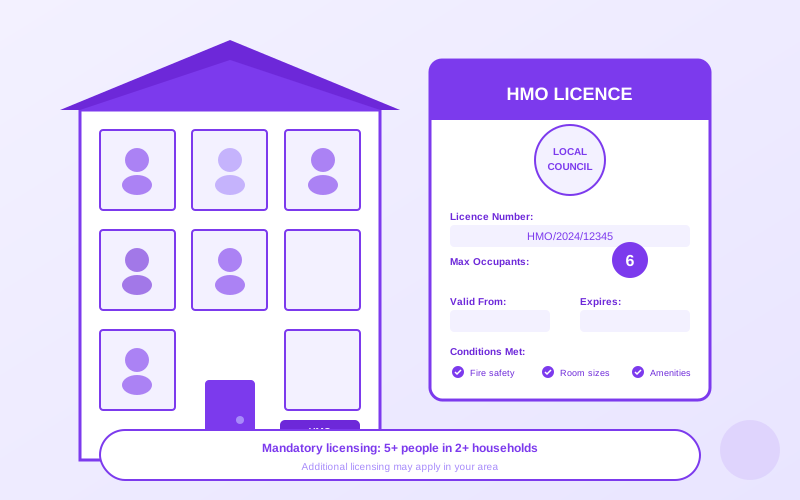
Properties meeting the HMO definition with 5 or more people from 2 or more households must have a mandatory HMO license throughout England and Wales.
When You Need a License
- 5 or more people living in the property
- People form 2 or more separate households
- They share facilities (bathroom, kitchen, toilet)
- Property is their main residence
- Rent is payable
License Conditions
HMO licenses come with conditions covering:
- Maximum occupancy limits
- Fire safety requirements
- Kitchen and bathroom ratios
- Minimum room sizes
- Management standards
- Waste disposal arrangements
Selective Licensing
Selective licensing schemes require all private rented properties in designated areas to be licensed, regardless of property type or occupancy.
Why Councils Introduce Selective Licensing
- Areas with significant anti-social behavior
- High proportion of private rented properties
- Low housing demand areas
- Poor property conditions
- High levels of migration or deprivation
Checking if You Need a License
- Identify your local council
- Check their website for licensing schemes
- Confirm if your property's postcode is in a scheme area
- Apply before letting if required
London Licensing
Many London boroughs have extensive licensing schemes. Some have borough-wide selective or additional licensing. Always check before letting property in London - requirements vary significantly between boroughs.
Scotland Landlord Registration
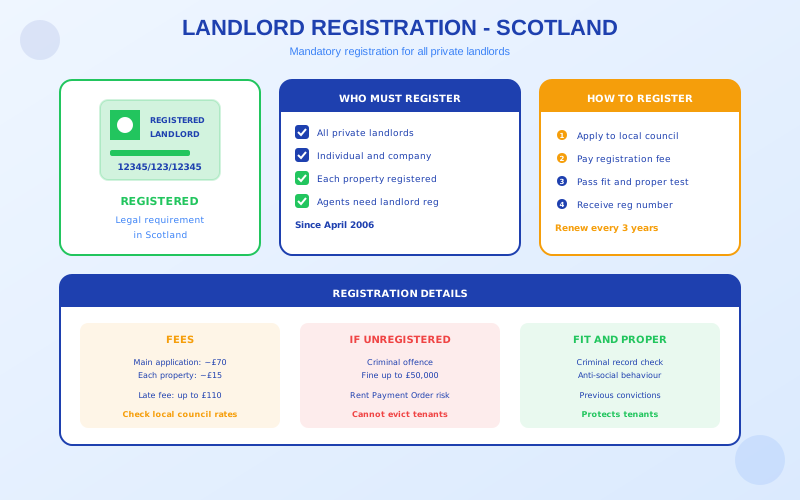
All landlords letting property in Scotland must register with their local council. This is a mandatory requirement - not optional.
Registration Requirements
- Register before letting begins
- Pass "fit and proper person" test
- Renew every 3 years
- Update when circumstances change
- Display registration number on advertisements
Fit and Proper Person Test
Councils consider:
- Relevant criminal convictions
- Previous housing-related offenses
- Unlawful discrimination
- Anti-social behavior connections
- Agent conduct (if using one)
License Application Process
While specifics vary, most licensing applications follow a similar process.
Typical Steps
- Gather documents - ID, proof of ownership, floor plans
- Complete application - online or paper form
- Pay fee - varies by council and license type
- Property inspection - may be required
- Fit and proper check - on applicant and any manager
- License issued - typically valid 5 years
Application Costs
| License Type | Typical Cost |
|---|---|
| Mandatory HMO | £500 - £1,500 |
| Selective License | £400 - £900 |
| Scotland Registration | £68 (first property), £15 per additional |
| Rent Smart Wales | £45 (registration), licensing varies |
Licensing Checklists
Landlord Heaven provides licensing requirement checklists, application guides, and document templates for various licensing schemes.
View Licensing Resources ?Landlord Licensing FAQ
How do I know if I need a license?
Check with your local council. Their website should show HMO and selective licensing requirements. For Scotland, registration is always required. For Wales, register with Rent Smart Wales.
Can I let while my application is pending?
Generally yes, if you've submitted a valid application before letting. However, you should apply in good time. Councils can take months to process applications.
What if my license application is refused?
You can appeal the decision. However, you cannot legally let the property without a license. Common refusal reasons include failing fit and proper test or property not meeting standards.
Are licensing fees tax deductible?
Yes, licensing fees are an allowable expense for income tax purposes. Keep receipts for your records and include in your rental accounts.
What to do next
Core eviction guides landlords usually need next
These are the core possession guides landlords usually need after notice or arrears problems start.
FAQs for landlords

Have a landlord question?
Ask Heaven is our free AI assistant that can help with eviction advice, tenancy questions, and more.