
Rated4.8/5 | 3008 reviews
UK End of Tenancy Guide - Complete Process for Landlords 2026
Complete guide to managing end of tenancy in the UK. From notice periods to deposit returns, inspections to checkout procedures. Get the UK steps and choose...
Use this guide when
You need a practical landlord answer, not just a definition
Use this page when you need to understand end of tenancy UK landlords in landlord terms, check the evidence or compliance points that matter, and decide whether the next step is a guide, free tool, notice pack, court pack, tenancy agreement, rent increase pack, or money claim route.
You are trying to sort end of tenancy uk landlords before it causes a bigger problem later. This guide explains what you need to do, when it matters, and how it affects the rest of your case.
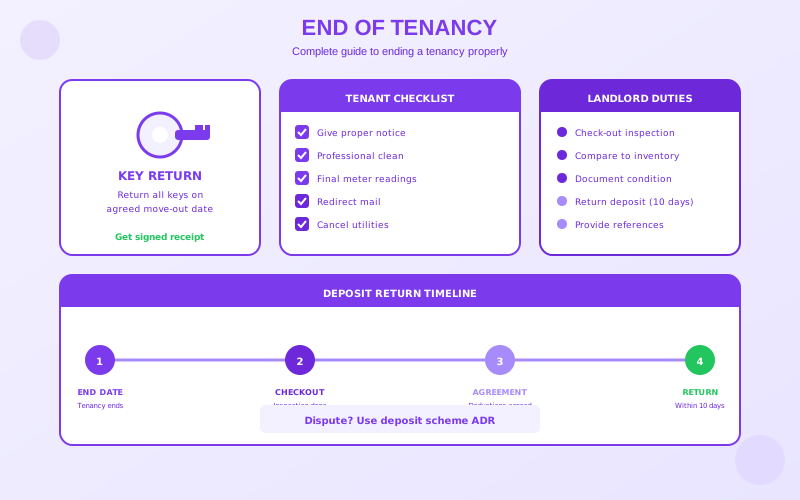
How Tenancies End
Understanding how tenancies legally end is essential for a smooth transition. Different scenarios require different approaches.
Next step for landlords
Problem clear? Create the right notice before you serve
If the issue now points toward possession, move from guidance into a notice route that keeps grounds, dates, service, and evidence together.
- Choose the right route before you serve anything.
- Answer plain-English questions. We handle the legal logic.
- Preview the paperwork before you pay.

Fixed Term Ending
When a fixed-term tenancy reaches its end date:
- Neither party needs to give notice if the tenancy simply ends
- The tenancy automatically becomes periodic if the tenant remains
- You can offer a new fixed term before expiry
- Checkout should be arranged for the final day
Notice to Quit (Periodic Tenancy)
For rolling periodic tenancies, proper notice is required:
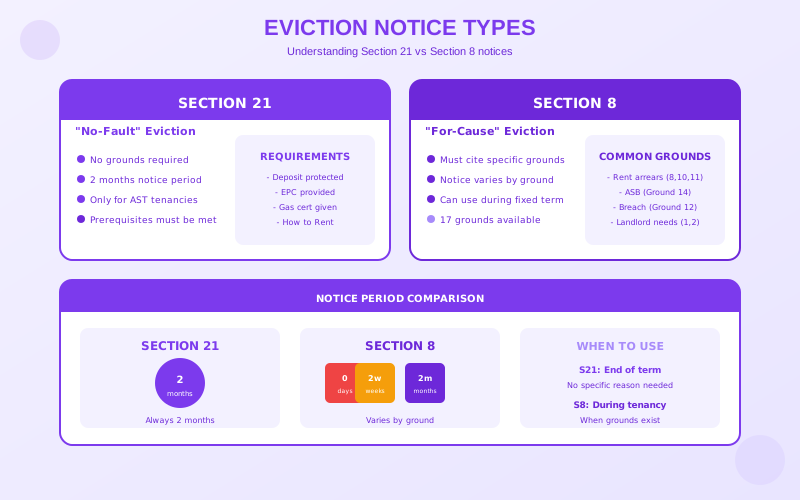
| Notice Type | Period Required | Notes |
|---|---|---|
| Tenant notice (monthly) | 1 month | Must end on rent due date |
| Section 21 (England) | 2 months | Being reformed - check current requirements |
| Wales notice | 6 months (no-fault) | Under Renting Homes Act |
| Scotland notice | 28-84 days | Depends on ground and length of tenancy |
Important: Section 21 Changes
Section 21 "no-fault" evictions are being reformed. Always check current requirements before serving notice, as rules are changing in England.
Mutual Agreement
Landlord and tenant can agree to end a tenancy at any time by mutual consent. This should be documented in writing as a "surrender" of the tenancy.
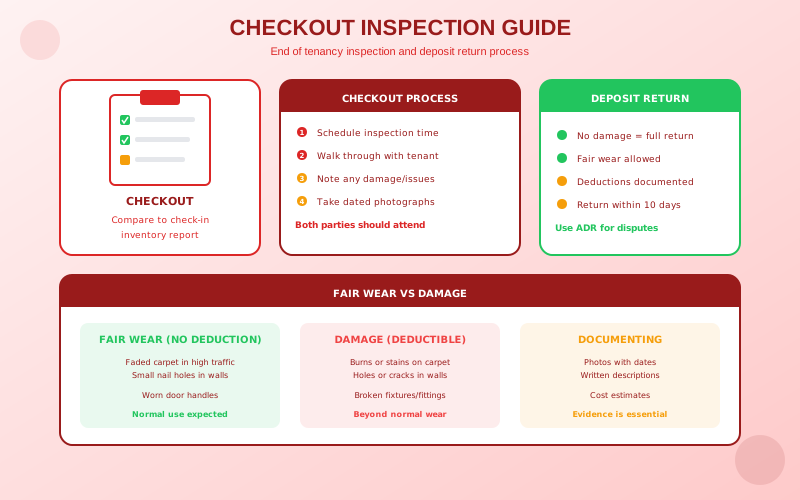
Checkout Inspection
The checkout inspection is crucial for assessing property condition and determining any deposit deductions. Conduct it thoroughly and fairly.
Preparing for Checkout
- Schedule the inspection - ideally on the last day of tenancy
- Review inventory - have check-in report and photos ready
- Prepare checkout form - comprehensive room-by-room checklist
- Arrange attendance - tenant should be present if possible
- Gather equipment - camera, meter reading form, key list
During the Inspection
Work through each room systematically, comparing current condition to the inventory. Document everything:
- Check walls, ceilings, floors for damage beyond fair wear and tear
- Test all appliances and fixtures
- Inspect furniture and furnishings condition
- Note cleanliness levels throughout
- Check gardens and external areas
- Take meter readings (gas, electricity, water)
- Collect all keys and access devices
Fair Wear and Tear
Distinguishing between fair wear and tear versus damage is often contentious. Fair wear and tear includes:
- Minor scuffs on walls from normal furniture placement
- Fading of carpets or curtains from sunlight
- Small marks on woodwork from everyday use
- Worn areas on carpets in high-traffic zones
Not Fair Wear and Tear
Burns, stains, holes, broken fixtures, missing items, pet damage, and damage from neglect (like limescale buildup or mould from poor ventilation) are not fair wear and tear.
Deposit Return Process
Deposit returns must follow legal processes. Failure to comply can result in penalties and inability to serve Section 21 notices.
Timeline for Return
After the tenancy ends and checkout is complete:
- Review checkout report - compare against inventory
- Calculate deductions - itemize any claims with evidence
- Propose split - send tenant your proposal within 10 days
- Negotiate if needed - agree final amounts
- Process return - release funds through scheme
Best Practice Timeline
Aim to return deposits within 10 days of tenancy end if there are no deductions, or within 10 days of agreeing deductions. Delays damage your reputation and may breach scheme rules.
Making Deductions
If you're claiming deductions, you need evidence:
- Checkout report - with photographs
- Check-in inventory - proving original condition
- Invoices or quotes - for repairs or cleaning
- Calculations - showing how amounts were determined
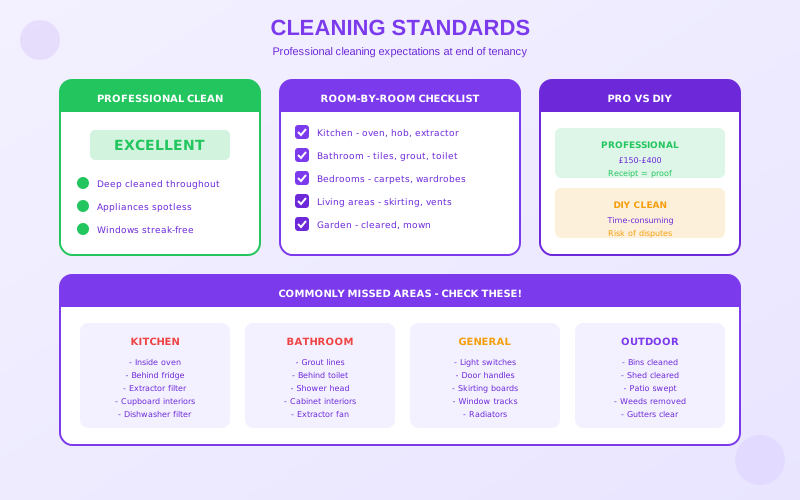
Cleaning Standards
Cleaning expectations are a common source of disputes. Set clear standards from the start and apply them fairly at checkout.
Reasonable Expectations
Tenants should return the property in a similar condition to check-in, accounting for fair wear and tear. This typically means:
- All surfaces wiped down and clean
- Floors vacuumed/mopped
- Kitchen appliances cleaned (inside and out)
- Bathroom fixtures cleaned and limescale-free
- Windows cleaned internally
- Rubbish removed
- Gardens maintained to reasonable standard
End of Tenancy Documentation
Landlord Heaven provides checkout checklists, deposit deduction calculators, and letter templates to streamline your end of tenancy process.
View Checkout Templates ?Final Accounts and Handover
Complete these final steps to conclude the tenancy properly:
Utilities and Council Tax
- Take final meter readings on checkout day
- Notify utility companies of tenancy end
- Inform council of tenant departure date
- Provide forwarding address if tenant consents
Key Return
- Collect all keys at checkout
- Check against key list from check-in
- Consider changing locks between tenancies (recommended)
- Issue receipt for returned keys
End of Tenancy FAQ
What if the tenant leaves belongings behind?
You must make reasonable efforts to return them. Write to the tenant giving 14-28 days to collect. If unclaimed, you can dispose of items but keep records of your attempts to return them.
Can I deduct for professional cleaning?
Only if the property was professionally cleaned at check-in and the tenant was informed they must do the same. You cannot charge for cleaning that wasn't required at the start.
What if the tenant disagrees with deductions?
Use the deposit scheme's Alternative Dispute Resolution (ADR) service. An independent adjudicator will review evidence and make a binding decision on how the deposit should be split.
Should I do a pre-checkout inspection?
A pre-checkout visit 1-2 weeks before the end date is recommended. It allows you to flag any issues the tenant can address before final checkout, reducing disputes.
What to do next
Core eviction guides landlords usually need next
These are the core possession guides landlords usually need after notice or arrears problems start.
FAQs for landlords

Have a landlord question?
Ask Heaven is our free AI assistant that can help with eviction advice, tenancy questions, and more.