
Rated4.8/5 | 3008 reviews
UK Rent Collection Methods - Complete Landlord Guide 2026
Comprehensive guide to rent collection methods for UK landlords. Optimize your payment processes for reliable income and efficient administration.
Use this guide when
You need a practical landlord answer, not just a definition
Use this page when you need to understand rent collection methods UK in landlord terms, check the evidence or compliance points that matter, and decide whether the next step is a guide, free tool, notice pack, court pack, tenancy agreement, rent increase pack, or money claim route.
This guide explains rent collection methods uk in plain English, including the rules, common mistakes and practical next steps.
Available Payment Options
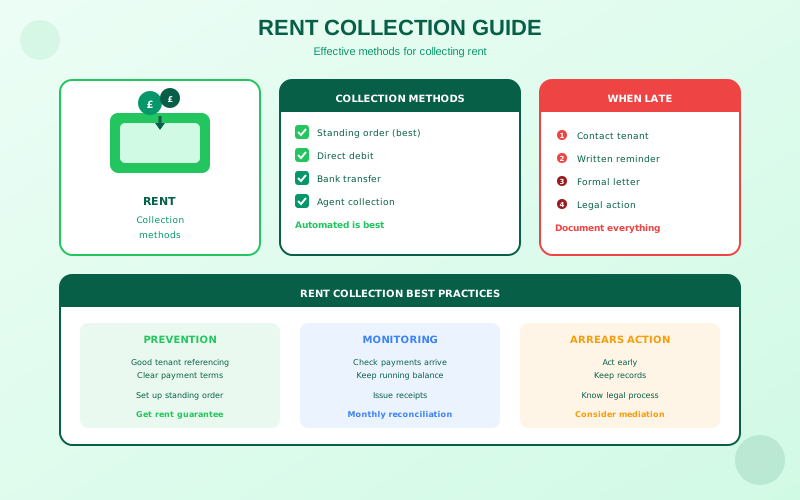
UK landlords have several options for collecting rent. Each has advantages and considerations.
Next step for landlords
Problem clear? Create the right notice before you serve
If the issue now points toward possession, move from guidance into a notice route that keeps grounds, dates, service, and evidence together.
- Choose the right route before you serve anything.
- Answer plain-English questions. We handle the legal logic.
- Preview the paperwork before you pay.

| Method | Reliability | Admin Required |
|---|---|---|
| Standing Order | High | Low once set up |
| Direct Debit | High | Medium (requires setup) |
| Bank Transfer | Medium | Low |
| Online Platform | High | Low (automated) |
| Cash/Cheque | Low | High |
Standing Orders
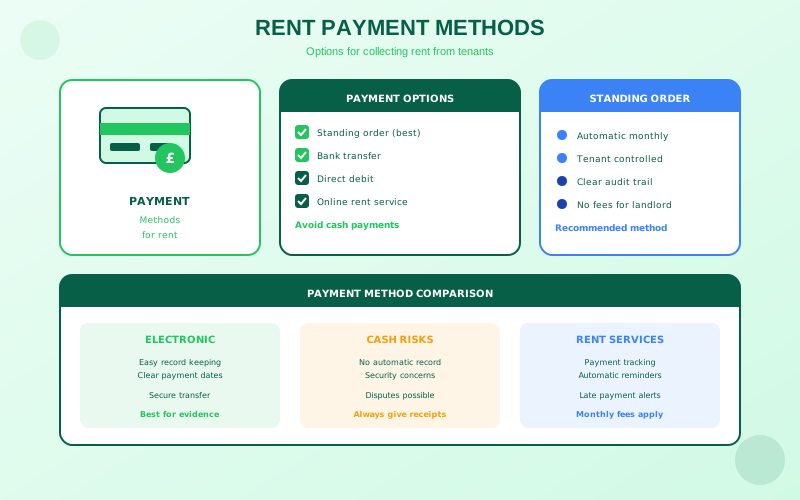
Standing orders are the most popular method for private landlords. The tenant sets up a recurring payment from their bank account to yours.
- Tenant controls the payment (they can cancel)
- Fixed amount on fixed date each month
- No fees for landlord or tenant
- Easy to set up through online banking
Direct Debits
Direct debits give landlords more control - you request payment rather than the tenant sending it. However, setting up requires more administration.
Direct Debit Requirements
To collect rent by direct debit, you need a Direct Debit facility with your bank, which involves credit checks and setup fees. Most private landlords find standing orders simpler.
Recommended Collection Methods
For most private landlords, standing orders remain the best option, but online platforms are increasingly popular.
Online Rent Collection Platforms
Purpose-built platforms offer advantages:
- Automated reminders - notifications before due date
- Payment tracking - instant visibility of received payments
- Multiple payment options - card, bank transfer, etc.
- Tenant convenience - easy payment interface
- Record keeping - automatic payment history
Cash Payments - Avoid
Cash payments should be avoided due to:
- No automatic payment trail
- Receipt disputes possible
- Physical collection required
- Security concerns
- Money laundering regulations
Setting Up Payment Collection
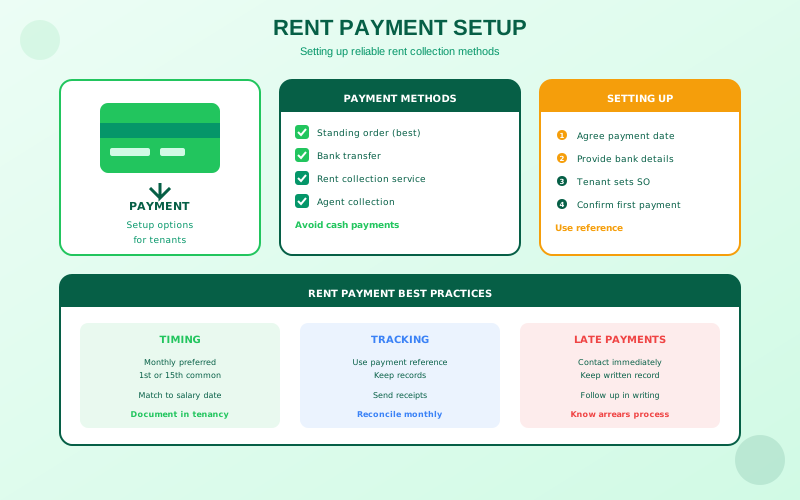
Establishing reliable payment processes from the start prevents problems later.
At Tenancy Start
- Specify payment method in tenancy agreement
- Provide bank details securely
- Confirm payment amount and due date
- Help tenant set up standing order if needed
- Confirm first payment received
Bank Account Considerations
- Separate account - keep rental income separate for tax clarity
- Clear reference - ask tenants to use property address as reference
- Regular monitoring - check payments on due date
Tracking Payments
Good record keeping protects you in disputes and simplifies tax returns.
What to Record
- Date received
- Amount received
- Property and tenant identification
- Running balance (for any arrears)
- Late payment notes
Rent Tracking Templates
Landlord Heaven provides rent tracking spreadsheets, receipt templates, and payment logging tools to keep your records organized.
View Tracking Tools ?Rent Collection FAQ
Should I provide receipts for rent?
If requested, you must provide a receipt. Bank transfers create their own record, but it's good practice to confirm receipt, especially for the first payment or if there have been any issues.
What if rent arrives late?
Contact the tenant promptly to understand why. A one-off delay may be innocent, but repeated lateness needs addressing. Follow your arrears procedure if payment doesn't arrive.
Can I charge for late payment?
Under the Tenant Fees Act, you can only charge interest on tenant stopped paying rent playbook at 3% above Bank of England base rate. You cannot charge flat fees for late payment.
How do I handle Housing Benefit/UC payments?
Payments usually go to the tenant first. In some cases, you can request direct payment to landlord if tenant is 8+ weeks in arrears or vulnerable. Payment timing differs from private tenants.
What to do next
Core eviction guides landlords usually need next
These are the core possession guides landlords usually need after notice or arrears problems start.
FAQs for landlords

Have a landlord question?
Ask Heaven is our free AI assistant that can help with eviction advice, tenancy questions, and more.