
Rated4.8/5 | 3008 reviews
UK Void Period Management - Complete Landlord Guide 2026
Comprehensive guide to minimising void periods for UK landlords. Strategies to reduce empty property time, market effectively, and maintain rental income.
Use this guide when
You need a practical landlord answer, not just a definition
Use this page when you need to understand void period landlord UK in landlord terms, check the evidence or compliance points that matter, and decide whether the next step is a guide, free tool, notice pack, court pack, tenancy agreement, rent increase pack, or money claim route.
This guide explains void period landlord uk in plain English, including the rules, common mistakes and practical next steps.
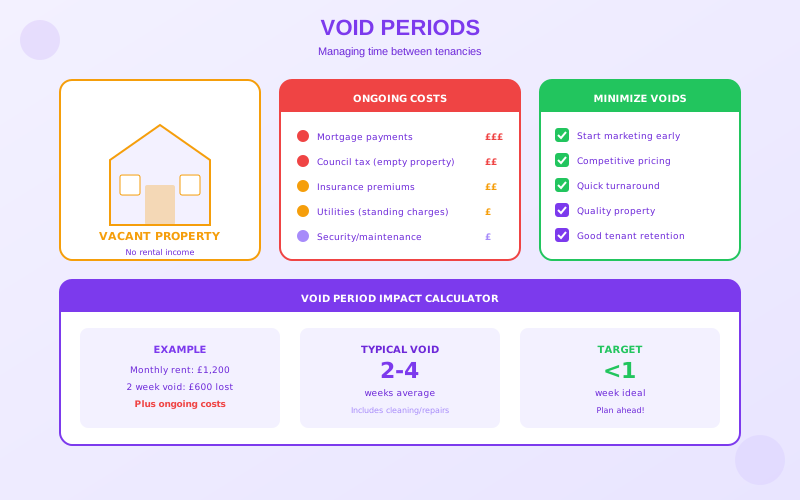
Understanding Void Periods
A void period is any time your property is unoccupied and not generating rent. This includes:
Next step for landlords
Problem clear? Create the right notice before you serve
If the issue now points toward possession, move from guidance into a notice route that keeps grounds, dates, service, and evidence together.
- Choose the right route before you serve anything.
- Answer plain-English questions. We handle the legal logic.
- Preview the paperwork before you pay.

- Between tenancies - after one tenant leaves, before next moves in
- Renovation periods - property works requiring vacancy
- Marketing time - finding suitable new tenant
- Eviction periods - property empty after possession obtained
Average Void Periods
Industry averages vary by location and property type:
| Location Type | Average Void |
|---|---|
| London & major cities | 2-3 weeks |
| Towns & suburbs | 3-4 weeks |
| Rural areas | 4-6 weeks |
| Student properties (summer) | 8-12 weeks |
Benchmark Your Performance
Track your void rate as percentage of available days. Target under 5% for well-managed properties in good locations. Above 10% indicates issues needing attention.
True Cost of Voids
Empty properties cost more than just lost rent:
Direct Costs
- Lost rent - the obvious cost
- Council tax - usually payable after 1-2 months empty
- Utilities - standing charges, heating to prevent damage
- Insurance - may increase for unoccupied properties
- Maintenance - problems develop unnoticed
Example Void Cost
Property: 2-bed flat, £1,200/month rent
One month void:
- Lost rent: £1,200
- Council tax: £150
- Utilities: £80
- Insurance uplift: £30
- Total: £1,460
This demonstrates why even one extra week of void represents significant lost income. Reducing void by just one week per year on this property saves around £365.
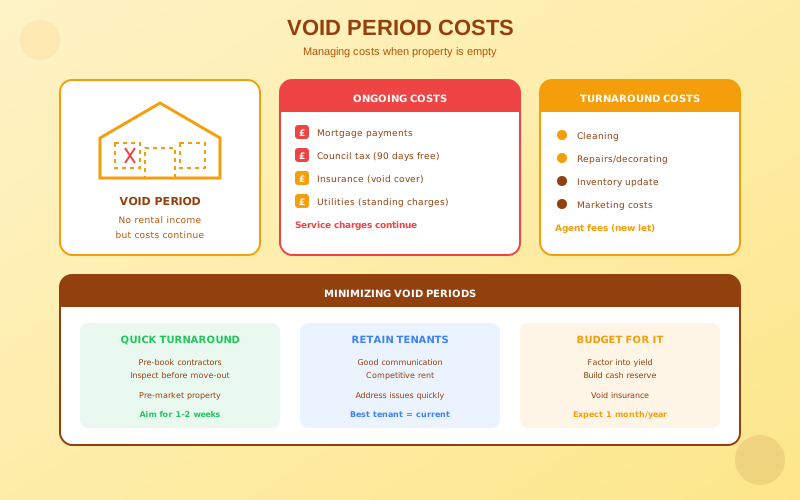
Minimising Void Periods
Prevention is better than cure. These strategies reduce voids:
Tenant Retention
Keeping good tenants is the best void prevention:
- Respond promptly to maintenance requests
- Keep rent increases reasonable
- Respect tenant privacy
- Consider long-term incentives (minor improvements, flexibility)
- Start renewal discussions 3 months before tenancy ends
Property Condition
- Maintain property to high standard throughout tenancy
- Address wear and tear promptly
- Update dated features between tenancies
- Ensure property shows well for viewings
Competitive Pricing
- Research local market regularly
- Price realistically - overpricing extends voids
- Consider time value of money (£50 less rent vs 1 month void)
Quick Turnaround Process
When tenants do leave, execute a fast turnaround:
Pre-Notice Preparation
- Know tenant's likely departure date (fixed term end, lease break)
- Check in with tenants about their plans 3+ months ahead
- Line up contractors for anticipated works
Notice Period Actions
- Begin marketing immediately upon receiving notice
- Conduct viewings during notice period (with tenant agreement)
- Arrange inventory/check-out appointment
- Book cleaning and maintenance
- Order replacement items if needed
Between Tenancies
- Complete check-out same day tenant leaves
- Cleaners in immediately
- Address any damage or wear issues fast
- Safety checks (gas, electrical) if due
- Fresh photography if needed
Overlap Strategy
The most effective landlords market properties before they become vacant, aiming to have new tenants moving in within days of the old tenant leaving. This requires tenant cooperation and good planning.
Marketing Empty Properties
Effective marketing fills properties faster:
Listing Best Practices
- Professional photos - bright, clean, well-staged
- Video tours - increasingly expected by tenants
- Detailed descriptions - highlight features, local amenities
- Accurate information - EPC rating, council tax band, deposit
Platform Selection
- Rightmove - largest UK property portal
- Zoopla - second largest, good reach
- OnTheMarket - growing platform
- OpenRent - direct landlord platform
- Local Facebook groups - neighbourhood focus
- Spareroom - for room rentals/HMOs
Viewing Availability
- Offer flexible viewing times including evenings and weekends
- Respond to enquiries within hours, not days
- Consider open house viewings for popular properties
- Virtual viewings for initial screening

Void Period Insurance
Some insurance products protect against void periods:
Rent Guarantee Insurance
Covers rent if tenant defaults but typically doesn't cover voids between tenants. Useful for tenant default but not a void period solution.
Guaranteed Rent Schemes
Some letting agents and companies offer guaranteed rent:
- You receive fixed rent regardless of occupancy
- Provider takes the void risk
- Usually 10-20% below market rent
- Long contracts (3-5 years typical)
Guaranteed Rent Caution
Research guaranteed rent providers carefully. Some have failed, leaving landlords without promised income. Check company finances, read contracts thoroughly, and understand what happens if the provider becomes insolvent.
Unoccupied Property Insurance
Standard landlord insurance often excludes or limits cover for unoccupied properties. If expecting extended voids, arrange specific unoccupied property cover.
Void Reduction Toolkit
Landlord Heaven provides void tracking spreadsheets, quick turnaround checklists, and marketing templates to minimise your empty property time.
View Void Management Tools ?Void Period FAQ
When do I need to pay council tax on empty property?
Rules vary by council. Most offer exemption for the first 1-2 months of vacancy, after which full council tax applies. Some councils charge premiums (up to 300%) on long-term empty properties.
Should I reduce rent to fill a void quickly?
Calculate the break-even point. If reducing rent by £50/month fills the property 3 weeks faster, you save around £500 (3 weeks' rent lost vs £600/year reduction). Usually, quick letting at slightly lower rent beats long voids at higher rent.
Can I claim void period costs against tax?
Yes, costs incurred during voids (insurance, council tax, utilities, maintenance) are deductible against rental income in the same tax year. Keep records of all void-period expenses.
How do I secure an empty property?
Ensure all locks work and doors/windows are secure. Consider timer lights. Ask neighbours to watch for issues. Visit regularly (insurance may require weekly visits). Forward post to prevent build-up showing vacancy.

What to do next
Core eviction guides landlords usually need next
These are the core possession guides landlords usually need after notice or arrears problems start.
FAQs for landlords

Have a landlord question?
Ask Heaven is our free AI assistant that can help with eviction advice, tenancy questions, and more.