Rated4.8/5 | 3008 reviews
UK Landlord-Tenant Communication - Best Practice Guide 2026
Essential guide to effective landlord-tenant communication. Build better relationships, handle issues professionally, and maintain legal compliance.
Use this guide when
You need a practical landlord answer, not just a definition
Use this page when you need to understand landlord tenant communication in landlord terms, check the evidence or compliance points that matter, and decide whether the next step is a guide, free tool, notice pack, court pack, tenancy agreement, rent increase pack, or money claim route.
This guide explains landlord tenant communication in plain English, including the rules, common mistakes and practical next steps.
Why Communication Matters
The quality of your communication directly impacts your success as a landlord. Good communication:
Next step for landlords
Problem clear? Create the right notice before you serve
If the issue now points toward possession, move from guidance into a notice route that keeps grounds, dates, service, and evidence together.
- Choose the right route before you serve anything.
- Answer plain-English questions. We handle the legal logic.
- Preview the paperwork before you pay.

- Prevents disputes - clear expectations reduce misunderstandings
- Ensures compliance - proper notices meet legal requirements
- Protects your property - tenants report issues promptly
- Reduces void periods - happy tenants stay longer
- Provides evidence - written records support your position
- Builds reputation - good reviews attract quality tenants
Professional Standards
Always maintain professional, respectful communication even when dealing with difficult situations. Your communications may be used as evidence in disputes, so keep them factual and courteous.
Choosing Communication Channels
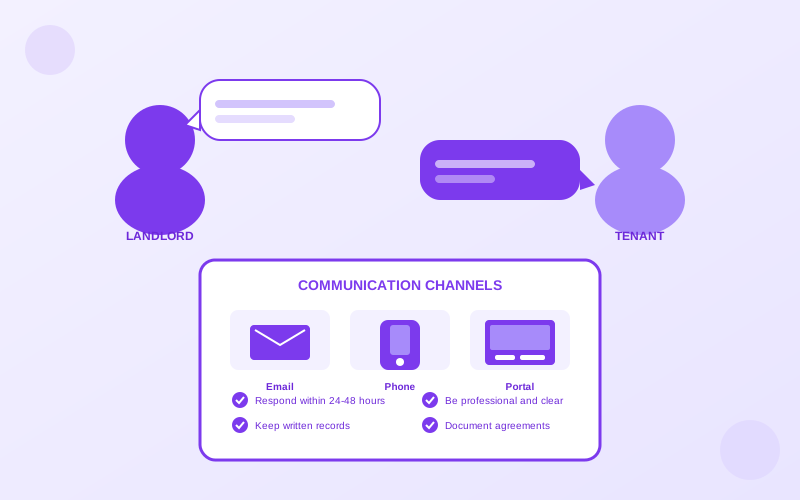
Different situations call for different communication methods. Choose appropriately based on urgency, formality, and record-keeping needs.
| Channel | Best For | Record Keeping |
|---|---|---|
| Most communications, creates written record | Excellent | |
| Text/WhatsApp | Quick updates, appointment confirmations | Good |
| Phone | Urgent matters, complex discussions | Poor (follow up in writing) |
| Letter | Formal notices, legal documents | Excellent |
| In-person | Sensitive discussions, inspections | Poor (follow up in writing) |

Key Communications Throughout Tenancy
Certain communications are essential at different stages of the tenancy. Ensure you cover these key touchpoints.
Before Tenancy Starts
- Property viewing arrangements and follow-up
- Application process and referencing requirements
- Offer terms and conditions
- Tenancy agreement explanation
- Move-in date and arrangements
At Tenancy Start
- How to Rent guide (England) or equivalent
- Deposit protection certificate and prescribed information
- Gas safety certificate
- EPC certificate
- EICR (electrical safety) certificate
- Emergency contact information
- Property inventory and condition report
During Tenancy
- Inspection arrangements and findings
- Repair reports and updates
- Rent payment confirmations or reminders
- Annual certificate renewals (gas safety)
- Rent review notifications (if applicable)
Handling Difficult Communications
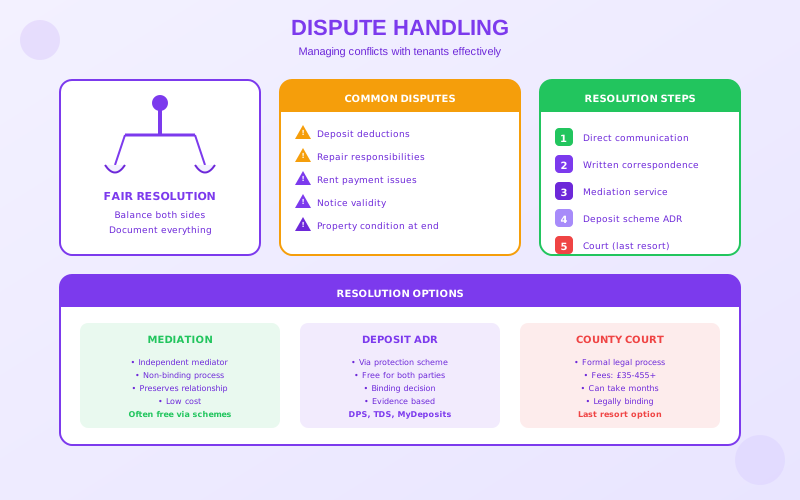
Even with good relationships, issues arise. Handle them professionally to prevent escalation.
tenant stopped paying rent playbook Payments
- Day 1-3 - friendly reminder, may be oversight
- Day 4-7 - firmer reminder, request contact
- Day 8-14 - formal letter, reference agreement terms
- Day 14+ - final warning before formal action
Tone Matters
Start friendly and escalate gradually. Many late payments are genuine oversights or temporary difficulties. Aggressive early communication damages relationships unnecessarily.
Repair Disputes
- Acknowledge the issue promptly and professionally
- Explain what you'll do and expected timeframe
- Keep tenant updated on progress
- If disagreeing with responsibility, explain clearly with evidence
- Document everything in writing
Documentation and Record Keeping
Keep comprehensive records of all communications. These protect you in disputes and demonstrate compliance.
What to Keep
- All emails and text messages
- Copies of all letters sent
- Notes from phone calls (with date, time, content)
- Records of in-person discussions
- Proof of delivery for important notices
How Long to Keep Records
- During tenancy - everything
- After tenancy - 6 years minimum (limitation period)
- Deposit disputes - until fully resolved
- Tax records - 5 years from relevant tax year
Communication Templates
Landlord Heaven provides professional letter and email templates for every stage of the tenancy, from welcome letters to deposit return communications.
View Communication Templates ?Communication FAQ
How quickly should I respond to tenants?
For general queries, aim for 24-48 hours. For emergencies (no heating, water leak, security issues), respond within hours. Quick responses show professionalism and build trust.
Can tenants insist on email-only communication?
You should respect reasonable preferences, but some legal notices require specific delivery methods. Explain that certain formal communications may require letters for legal validity.
What if a tenant is unresponsive?
Try multiple channels. Send emails, texts, and letters. For urgent matters, visit the property (with proper notice). Keep records of all attempts.
Should I communicate through letting agents?
If using a managing agent, all routine communication should go through them. This provides consistency and professionalism. Only communicate directly if specifically agreed or in genuine emergencies.
What to do next
Core eviction guides landlords usually need next
These are the core possession guides landlords usually need after notice or arrears problems start.
FAQs for landlords

Have a landlord question?
Ask Heaven is our free AI assistant that can help with eviction advice, tenancy questions, and more.