
Rated4.8/5 | 3008 reviews
UK Tenant Retention - Complete Landlord Guide 2026
Comprehensive guide to retaining quality tenants in UK rental properties. Strategies, communication tips, and best practices for reducing tenant turnover.
Use this guide when
You need a practical landlord answer, not just a definition
Use this page when you need to understand tenant retention UK landlord in landlord terms, check the evidence or compliance points that matter, and decide whether the next step is a guide, free tool, notice pack, court pack, tenancy agreement, rent increase pack, or money claim route.
This guide explains tenant retention uk landlord in plain English, including the rules, common mistakes and practical next steps.
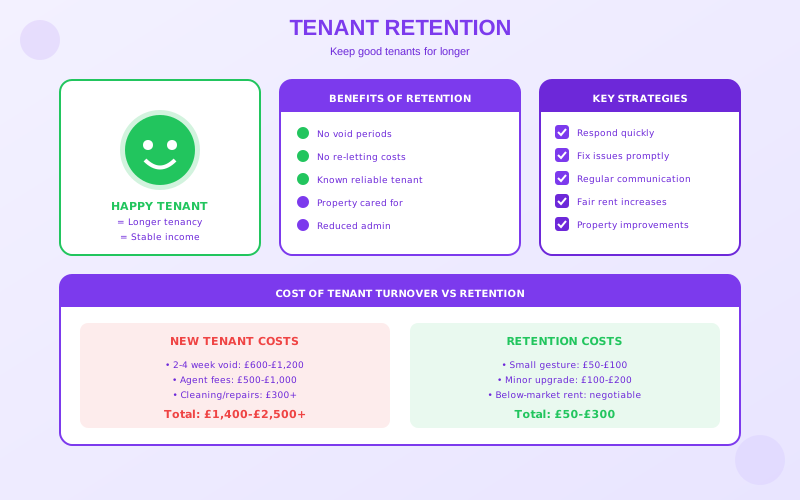
Why Retention Matters
Tenant turnover is expensive. Understanding the true costs helps justify retention efforts:
Next step for landlords
Problem clear? Create the right notice before you serve
If the issue now points toward possession, move from guidance into a notice route that keeps grounds, dates, service, and evidence together.
- Choose the right route before you serve anything.
- Answer plain-English questions. We handle the legal logic.
- Preview the paperwork before you pay.

Cost of Tenant Turnover
| Cost Item | Typical Amount |
|---|---|
| Void period (3-4 weeks) | £750 - £1,500 |
| Advertising and marketing | £100 - £300 |
| Referencing costs | £30 - £100 |
| Cleaning and redecoration | £200 - £500 |
| Your time | 10-20 hours |
| Total | £1,080 - £2,400+ |
A tenant who stays five years versus annual turnover could save you £5,000-10,000 in turnover costs alone, plus the value of consistent rental income.
Benefits of Long-Term Tenants
- Consistent rental income without voids
- Reduced letting and marketing costs
- Tenants treat property as home, maintaining it better
- Established relationship makes communication easier
- Fewer references and checks to manage
- Lower risk of problematic tenants
The 80/20 Rule
Focus retention efforts on your best tenants - those who pay on time and look after the property. Investing in their satisfaction yields the best return on your efforts.
Building Good Relationships
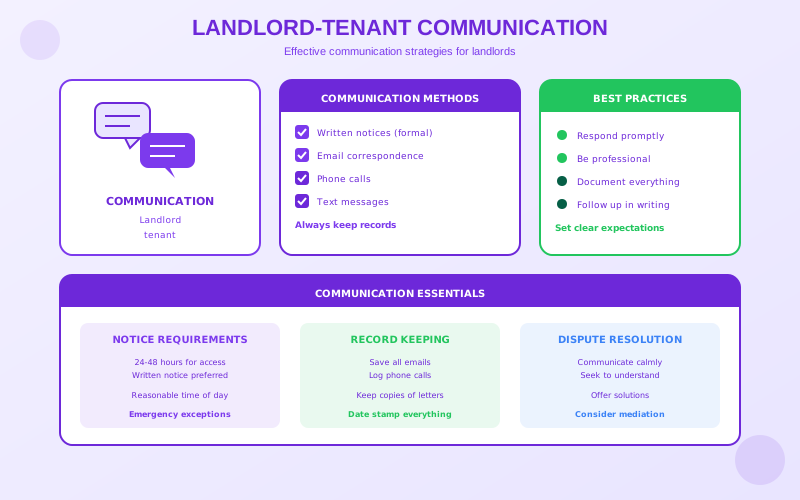
The landlord-tenant relationship sets the foundation for retention:
Start Strong
- Professional, thorough move-in process
- Welcome pack with useful information
- Clear communication channels established
- Responsive to early questions and concerns
Ongoing Communication
- Be accessible but not intrusive
- Respond promptly to messages (within 24 hours)
- Give proper notice for inspections
- Keep tenants informed of any changes
- Annual check-in to discuss any concerns
Respect and Professionalism
- Treat tenants as valued customers
- Respect their privacy and quiet enjoyment
- Be fair and consistent with all tenants
- Document agreements in writing
- Never enter without proper notice
Responsive Maintenance
How you handle maintenance is often the biggest factor in tenant satisfaction:
Response Standards
- Emergency - respond within 4 hours, fix within 24
- Urgent - respond within 24 hours, fix within 48
- Routine - respond within 48 hours, fix within 7 days
Best Practices
- Acknowledge every maintenance request quickly
- Provide realistic timeframes, then meet them
- Use reliable, vetted contractors
- Follow up to ensure work was completed satisfactorily
- Consider tenant convenience when scheduling
Proactive Maintenance
- Annual servicing of boilers and appliances
- Regular safety checks (smoke alarms, CO detectors)
- Address minor issues before they become major
- Refresh decoration between tenancies
Under-Promise, Over-Deliver
If a repair will take a week, tell the tenant it might take 10 days. When you complete it in 7 days, they're pleased. Exceeding expectations builds goodwill and loyalty.
Handling Rent Increases
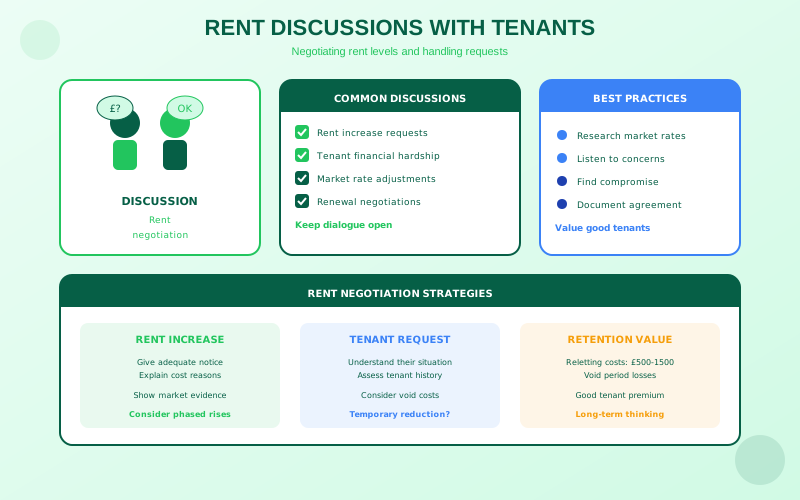
Rent increases are often when tenants consider leaving. Handle them carefully:
Timing Considerations
- Annual increases are typical, but not mandatory
- Consider market conditions - is it a good time?
- Align with tenancy renewal discussions
- Give plenty of notice (1 month minimum, 3 months preferred)
Amount Considerations
- Research current market rents for comparison
- Consider what good tenants are worth to you
- Factor in void costs if they leave
- Below-market increases may retain great tenants
Communication Tips
- Explain the reasons for the increase
- Reference market rates or your increased costs
- Be open to discussion
- Consider phased increases for large rises
- Thank tenants for being good tenants
Calculate the True Cost
A £50/month increase yields £600/year. But if the tenant leaves and you face a 4-week void, you've lost £1,000+ in rent alone, plus costs. Sometimes modest increases or none preserve more value than aggressive rises.
Renewal Strategies
Proactive renewal management keeps good tenants:
Early Discussion
- Start renewal conversations 3 months before end
- Ask about their plans and any concerns
- Address issues before they drive departure
Renewal Incentives
- Modest rent increase or freeze for good tenants
- Minor improvements (new appliance, redecoration)
- Longer tenancy option with stability benefits
- Flexibility on tenancy terms
Fixed Term vs Periodic
- Some tenants prefer security of fixed terms
- Others prefer flexibility of periodic
- Ask what they prefer and accommodate where possible
Tenant Retention Resources
Landlord Heaven provides tenant communication templates, renewal letter examples, and retention strategy guides for successful landlording.
View Retention Resources ?Tenant Retention FAQ
How do I know if a tenant is likely to leave?
Warning signs include decreased communication, complaints about the property or area, life changes (job relocation, family growth), and mentions of looking at other properties. Regular check-ins help you spot issues early.
Should I offer incentives to stay?
For good tenants, yes. Calculate the cost of them leaving versus the incentive cost. A new appliance or decoration refresh costing £500 is much cheaper than a void period plus finding new tenants.
What if good tenants ask to make changes?
Be open to reasonable requests like hanging pictures, minor decoration, or pet considerations. Accommodating good tenants builds loyalty. Set clear terms (making good at end) and get agreements in writing.
How often should I contact tenants?
Balance is key. Too little and issues build up; too much feels intrusive. Quarterly check-ins, maintenance responses, and annual formal reviews work well for most tenancies.
What to do next
Core eviction guides landlords usually need next
These are the core possession guides landlords usually need after notice or arrears problems start.
FAQs for landlords

Have a landlord question?
Ask Heaven is our free AI assistant that can help with eviction advice, tenancy questions, and more.