
Rated4.8/5 | 3008 reviews
UK Property Inspections - Complete Landlord Guide 2026
Essential guide to conducting property inspections as a UK landlord. Learn about legal requirements, best practices, and inspection procedures.
Use this guide when
You need a practical landlord answer, not just a definition
Use this page when you need to understand property inspections UK landlords in landlord terms, check the evidence or compliance points that matter, and decide whether the next step is a guide, free tool, notice pack, court pack, tenancy agreement, rent increase pack, or money claim route.
This guide explains property inspections uk landlords in plain English, including the rules, common mistakes and practical next steps.
Legal Framework for Property Inspections
While landlords have legitimate reasons to inspect their properties, tenant rights to "quiet enjoyment" must be respected. Finding the right balance is essential.
Next step for landlords
Problem clear? Create the right notice before you serve
If the issue now points toward possession, move from guidance into a notice route that keeps grounds, dates, service, and evidence together.
- Choose the right route before you serve anything.
- Answer plain-English questions. We handle the legal logic.
- Preview the paperwork before you pay.

Tenant's Right to Quiet Enjoyment
Tenants have a legal right to enjoy the property without unreasonable interference from the landlord. Excessive inspections or turning up unannounced can breach this right.
Your Rights as a Landlord
Landlords have legitimate interests in inspecting their property to:
- Check the property's condition and maintenance needs
- Ensure the tenant is not breaching tenancy terms
- Carry out or arrange repairs
- Show prospective tenants or buyers (with proper notice)
- Conduct gas and electrical safety checks
Inspection Frequency
What's reasonable for routine inspections?
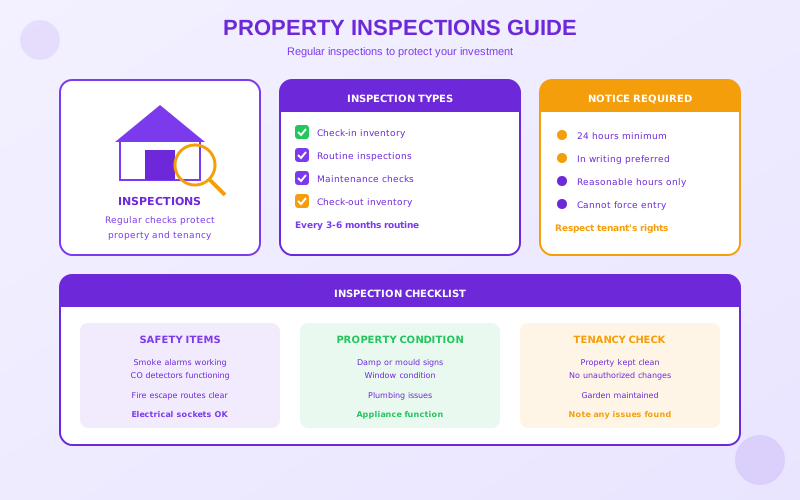
- Every 3-6 months - generally accepted as reasonable
- Quarterly - common for HMO properties or new tenants
- Every 6 months - appropriate for long-term, trusted tenants
- More frequent - only with valid reason (ongoing repairs, issues)

Types of Property Inspections
Different inspection types serve different purposes. Understanding each helps you plan effectively.
| Inspection Type | Purpose | Typical Frequency |
|---|---|---|
| Check-in inventory | Document condition at tenancy start | Once (tenancy start) |
| Routine inspection | General property condition check | Every 3-6 months |
| Safety check | Gas, electrical, fire safety | Annually (gas), 5-yearly (EICR) |
| Maintenance visit | Carry out or assess repairs | As needed |
| Checkout inspection | Document condition at tenancy end | Once (tenancy end) |
Notice Requirements
Proper notice is legally required except in genuine emergencies. Always give appropriate notice and document it.
Standard Notice Period
For routine inspections:
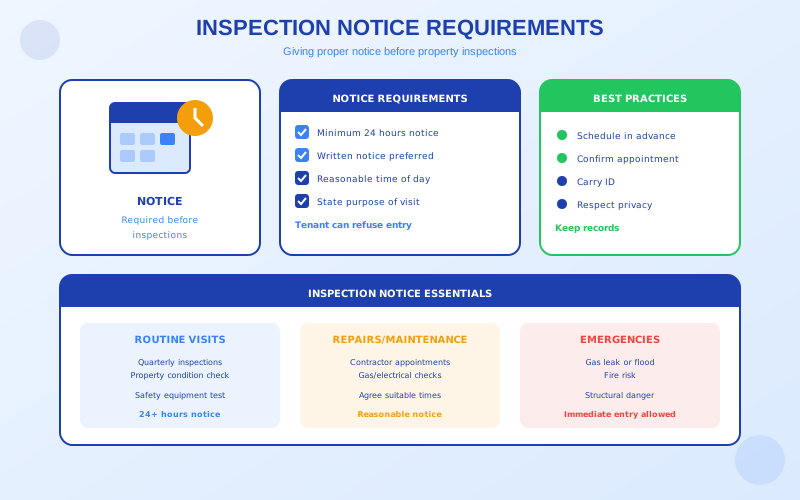
- Minimum 24 hours - legal minimum for most visits
- 48 hours+ - better practice, shows respect
- Written notice - email or letter preferred for records
- Reasonable times - typically between 9am-8pm
Notice Exceptions
In genuine emergencies (gas leak, fire, flooding, structural danger), you may enter without notice. However, "emergency" is narrowly defined - suspected rent arrears or routine issues do not qualify.
What Notice Should Include
- Purpose of the visit
- Date and approximate time (or time range)
- Who will attend (you, agent, contractor)
- Estimated duration
- Request for confirmation or alternative suggestion
Inspection Checklist
Use a comprehensive checklist to ensure consistent, thorough inspections. Work through each area systematically.
Exterior Checks
- Roof condition and guttering
- Windows and frames condition
- External doors and locks
- Garden and outdoor areas
- Boundary walls and fences
- Driveway and paths
Interior - Room by Room
- Walls and ceilings - cracks, damp, staining
- Floors and carpets - wear, damage, cleanliness
- Windows - operation, seals, locks
- Doors - operation, locks, handles
- Light fittings and switches
- Power sockets
- Radiators and heating controls
Kitchen
- Appliances functioning correctly
- Worktops and cabinets condition
- Plumbing - taps, waste, leaks
- Ventilation and extractor
- General cleanliness
Bathroom
- Toilet, bath, shower - operation and condition
- Taps and waste - flow and drainage
- Seals and grouting
- Ventilation - extractor or windows
- Signs of damp or mould
Safety Items
- Smoke alarms - test and check batteries
- Carbon monoxide alarms - test and check
- Fire escape routes - clear and accessible
- Boiler - visible issues, service date
- Electrical safety - no visible hazards
Property Inspection Templates
Landlord Heaven provides comprehensive inspection checklists, report templates, and photo documentation tools for professional property inspections.
View Inspection Templates ?Documentation and Reporting
Proper documentation protects you in disputes and creates a history of property condition over time.
What to Document
- Date and time of inspection
- Attendees - landlord, agent, tenant
- Findings - room by room observations
- Photographs - of any issues or damage
- Actions needed - repairs, follow-ups
- Tenant comments - any issues they raised

Sharing Findings
After the inspection:
- Write up findings within 48 hours while fresh
- Add photos with descriptions
- Send copy to tenant for their records
- Note any actions you will take
- Follow up on tenant-reported issues promptly
Property Inspections FAQ
Can I inspect if the tenant refuses access?
No - you cannot force entry except in genuine emergencies. If access is repeatedly refused, write formally reminding them of their contractual obligations. Persistent refusal may be a breach of tenancy.
Must the tenant be present during inspections?
Not legally required, but recommended. Many tenants prefer to be there. If they can't attend, they may authorize you to enter or leave keys. Get written consent if entering while they're absent.
Can I take photos during inspections?
Yes, photographs are an important part of documentation. Focus on the property condition rather than personal belongings. Inform the tenant that photos will be taken for records.
What if I find unauthorized occupants?
Address it promptly but calmly. The tenancy agreement should specify who can live there. Unauthorized occupants may breach the agreement and affect your insurance. Write to the tenant formally about the situation.
What to do next
Core eviction guides landlords usually need next
These are the core possession guides landlords usually need after notice or arrears problems start.
FAQs for landlords

Have a landlord question?
Ask Heaven is our free AI assistant that can help with eviction advice, tenancy questions, and more.