Rated4.8/5 | 3008 reviews
UK Property Maintenance Obligations Guide 2026
Comprehensive guide to landlord property maintenance obligations across the UK. Understand your legal responsibilities for repairs, safety, and property stan...
Use this guide when
You need a practical landlord answer, not just a definition
Use this page when you need to understand landlord maintenance obligations UK in landlord terms, check the evidence or compliance points that matter, and decide whether the next step is a guide, free tool, notice pack, court pack, tenancy agreement, rent increase pack, or money claim route.
This guide explains landlord maintenance obligations uk in plain English, including the rules, common mistakes and practical next steps.
Legal Framework for Landlord Maintenance
Landlord maintenance obligations arise from multiple sources: statute, common law, and the tenancy agreement. Understanding each is crucial for compliance.
Next step for landlords
Problem clear? Create the right notice before you serve
If the issue now points toward possession, move from guidance into a notice route that keeps grounds, dates, service, and evidence together.
- Choose the right route before you serve anything.
- Answer plain-English questions. We handle the legal logic.
- Preview the paperwork before you pay.

Key Legislation
The Landlord and Tenant Act 1985 (Sections 11-14) creates implied repairing obligations for residential tenancies. The Homes (Fitness for Human Habitation) Act 2018 strengthens tenant protections further.
Statutory Repair Obligations
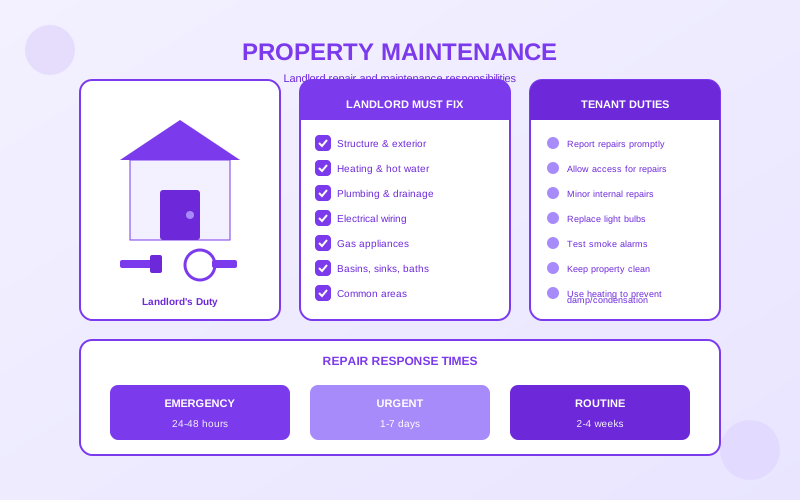
Under Section 11 of the Landlord and Tenant Act 1985, landlords must keep in repair and proper working order:
- Structure and exterior - walls, roof, windows, doors, drains, gutters
- Water supply - pipes, tanks, boilers, basins, sinks, baths
- Gas installations - pipes, flues, appliances, ventilation
- Electrical systems - wiring, sockets, light fittings
- Space heating - central heating, water heating systems
- Sanitation - toilets, sewage disposal
Fitness for Human Habitation
The 2018 Act requires properties to be fit for habitation throughout the tenancy. Factors assessed include:
- Freedom from damp and condensation
- Adequate natural lighting and ventilation
- Safe water supply and drainage
- Stability of the building structure
- Freedom from hazards under the HHSRS
Repair Categories and Priorities
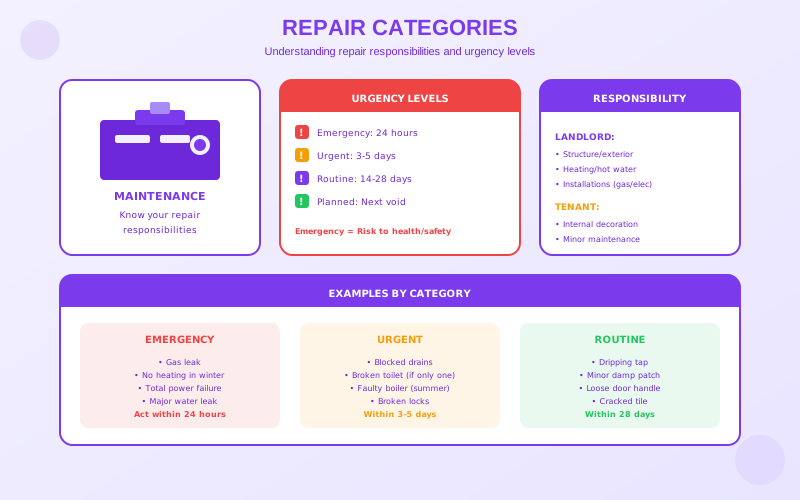
Repairs fall into different categories based on urgency. Understanding these helps you respond appropriately and demonstrate compliance.
| Category | Examples | Target Response |
|---|---|---|
| Emergency | Gas leak, flooding, no heating in winter, total power failure | 24 hours or less |
| Urgent | Partial heating failure, blocked drain, broken lock | 3-5 working days |
| Routine | Cracked tiles, worn carpets, cosmetic damage | 28 days |
| Planned | Decoration, kitchen replacement, bathroom upgrade | As scheduled |
Response Times and Best Practice
While legislation doesn't specify exact timeframes, courts and tribunals expect reasonable response times based on the nature and severity of issues.
Emergency Response
For genuine emergencies (gas leaks, major flooding, complete loss of heating in winter), aim to respond within 24 hours. Have emergency contractor contacts ready at all times.
Acknowledgment and Communication
Best practice for handling repair requests:
- Acknowledge receipt - within 24 hours of receiving notification
- Assess urgency - categorize and prioritize appropriately
- Communicate timeline - inform tenant of expected response
- Arrange access - coordinate convenient inspection times
- Complete repairs - use qualified contractors where required
- Document completion - obtain tenant confirmation
Regional Variations Across the UK
While core maintenance obligations are similar, each UK nation has specific requirements landlords must understand.
England
Electrical safety certificates (EICR) required every 5 years. Smoke alarms on every floor, carbon monoxide alarms where solid fuel appliances exist. The Decent Homes Standard applies to social housing.
Wales
The Renting Homes (Wales) Act 2016 creates comprehensive fitness requirements. EICR required at start of tenancy and every 5 years. Smoke alarms required in living areas, not just escape routes.
Scotland
The Repairing Standard is stricter than England. Properties must have satisfactory heating (not just working), adequate ventilation, and thermal insulation meeting the tolerable standard.
Northern Ireland
The Fitness Standard under the Private Tenancies (Northern Ireland) Order 2006 applies. Landlords must ensure properties meet all fitness criteria throughout tenancy.
Maintenance Management Tools
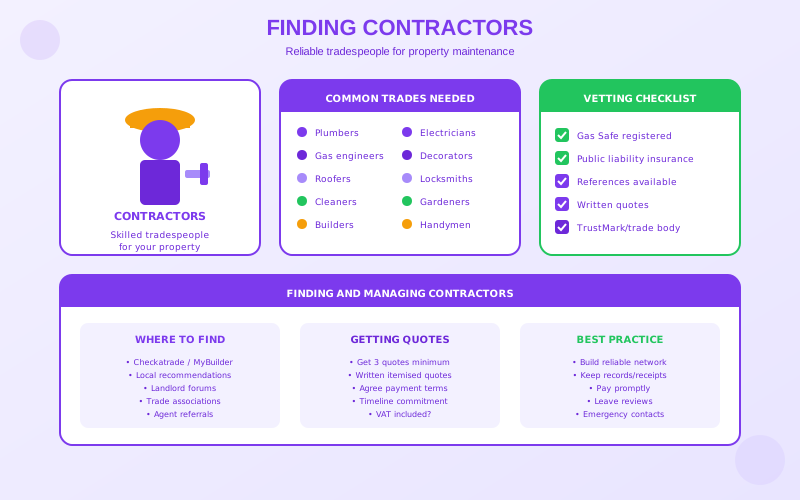
Landlord Heaven provides maintenance tracking templates, repair checklists, and documentation tools to help you stay compliant and organized.
View Maintenance Tools ?Documentation and Record Keeping
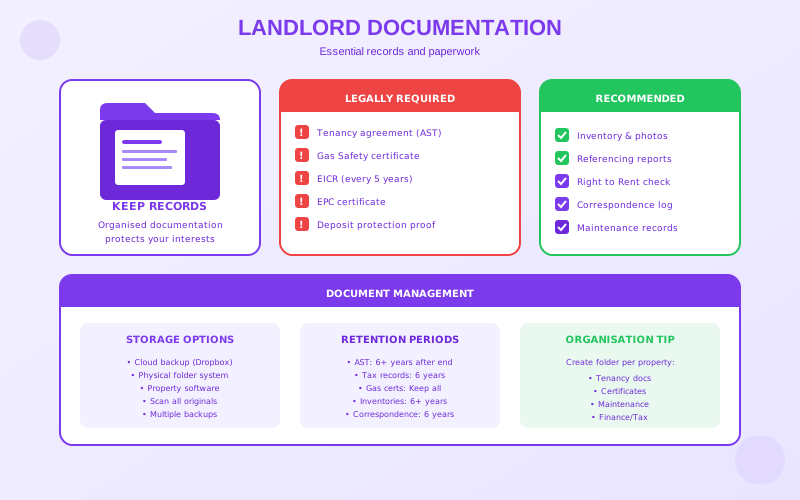
Proper documentation protects you in disputes and demonstrates compliance. Essential records include:
- Repair logs - date reported, nature of issue, actions taken
- Communication records - emails, messages with tenants
- Contractor invoices - proof of work and expenditure
- Photographs - before and after images of repairs
- Safety certificates - gas, electrical, EPC documents
- Inspection reports - periodic property inspections
Maintenance Obligations FAQ
What repairs are the tenant's responsibility?
Tenants are typically responsible for minor repairs caused by their own actions, keeping the property clean and ventilated, changing light bulbs, and reporting issues promptly. The agreement should specify.
Can I charge tenants for repairs they caused?
Yes, if damage is caused by tenant negligence or deliberate action, you can claim the cost from them or deduct from the deposit at tenancy end (with proper evidence and dispute resolution process).
What if a tenant refuses access for repairs?
Give written notice (typically 24-48 hours for non-emergencies). If access is still refused, document everything. You cannot force entry except in genuine emergencies. Seek legal advice if the situation persists.
How long do I have to complete repairs?
There's no fixed legal timeframe, but "reasonable" time applies. Emergency repairs should be addressed within 24 hours, urgent within 3-5 days, and routine within 28 days. Document your efforts.
What to do next
Core eviction guides landlords usually need next
These are the core possession guides landlords usually need after notice or arrears problems start.
FAQs for landlords

Have a landlord question?
Ask Heaven is our free AI assistant that can help with eviction advice, tenancy questions, and more.