
Rated4.8/5 | 3008 reviews
Section 8 Ground 12 Explained: Breach of Tenancy Terms (2026)
Ground 12 allows eviction when tenants breach any obligation of the tenancy agreement. Learn what counts as a breach, evidence requirements, and how to use t...
Assisted prep
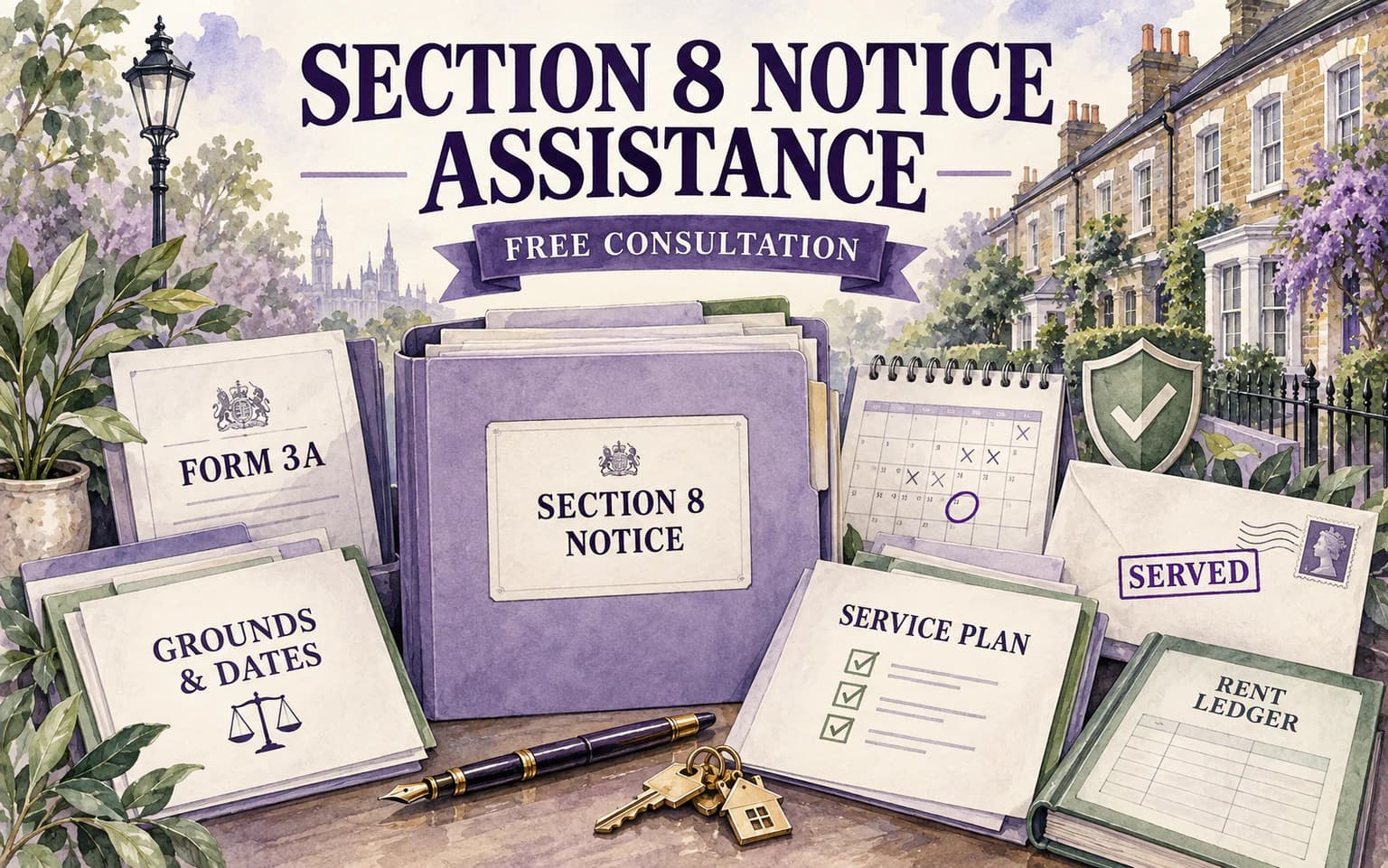
Need help preparing your Section 8 notice?
Start with a free consultation. If suitable, we can help prepare the Form 3A notice, service record and supporting evidence before you serve it.
Book free consultationUse this guide when
You need a practical landlord answer, not just a definition
Use this page when you need to understand section 8 ground 12 breach tenancy in landlord terms, check the evidence or compliance points that matter, and decide whether the next step is a guide, free tool, notice pack, court pack, tenancy agreement, rent increase pack, or money claim route.
Your tenant is breaching the tenancy and you need to know whether Section 8 notice guide is the right route. This guide explains how it works, what evidence matters, and what to do next.
What landlords should do next
If you are under pressure, decide the route early. In England after 1 May 2026, Section 21 is no longer the live route for new cases. If this ground fits, the next step is using the current Form 3A process with the right evidence and timing.
Need to act on an England possession ground now?
For post-1 May 2026 England cases, Section 21 has gone and the live route is the Form 3A possession notice. Choose the product that matches how far the case has gone.
- Eviction Notice Generator for the Form 3A notice, service instructions, validity checklist, compliance declaration, and arrears statement before you serve anything.
- Complete Eviction Pack if you want the notice, N5, N119, evidence checklist, witness material, and possession file working together from the start.
- Section 8 guide if you want the rule overview first.
- Ground-specific guides: Ground 1 occupation, Ground 1A sale, Ground 2 mortgagee sale, Ground 7A serious ASB, Ground 8 arrears, Ground 10 arrears, Ground 11 late rent, Ground 12 breach, Ground 13 property deterioration, Ground 14 ASB, Ground 15 furniture, and Ground 17 false statement.
Discretionary Ground
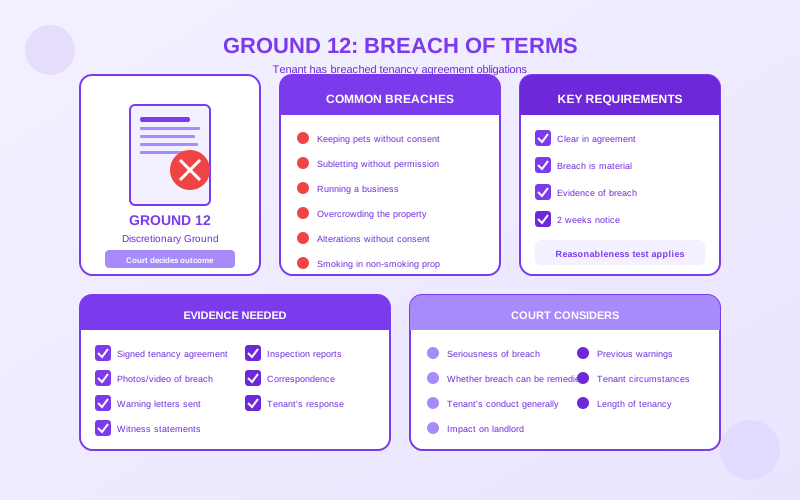
Ground 12 is discretionary, meaning even if you prove the breach, the court will consider whether it's reasonable to grant possession. Document breaches thoroughly and give tenants opportunity to remedy issues before seeking eviction.
What Is Ground 12?
Ground 12 is set out in Schedule 2, Part II of the Housing Act 1988. The ground states:
Recommended next step
Need to serve a notice for this tenancy problem?
Use the guided Form 3A builder to keep the grounds, dates, service steps and evidence checks aligned. Preview the paperwork before paying.
Fixed price £39.99. Preview available before payment.
- Use the current notice route for the facts entered.
- Check dates and service requirements before serving.
- Preview the available paperwork before payment.

"Any obligation of the tenancy (other than one related to the payment of rent) has been broken or not performed."
This broad wording means Ground 12 can apply to virtually any clause in your tenancy agreement that the tenant has failed to comply with. The key limitation is that it cannot be used for rent arrears—those are covered by Grounds 8, 10, and 11 specifically.
Ground Details at a Glance
| Ground Type | Discretionary |
| Notice Period | 2 weeks minimum |
| Court Form | N5 (Standard Possession) |
| Applies To | Assured and Assured Shorthold Tenancies |
| Evidence Needed | Proof of breach + proof breach is ongoing or likely to recur |
Why Ground 12 Matters
With Section 21 no-fault evictions ending in May 2026, Ground 12 becomes increasingly important. Previously, landlords dealing with problematic tenants who technically weren't breaking major rules could simply serve Section 21. After the ban, you'll need grounds like Ground 12 to address tenancy breaches that don't rise to the level of antisocial behaviour (Ground 14) or other more serious grounds.
Common Tenancy Breaches Covered by Ground 12
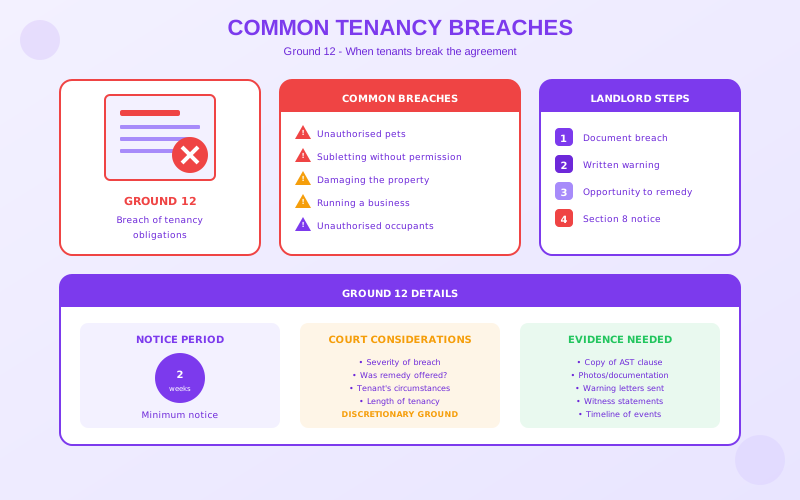
Ground 12 is flexible and can cover many different types of breach. Here are the most common situations where landlords use this ground:
Unauthorised Subletting or Lodgers
If your tenancy agreement prohibits subletting and the tenant has let rooms to others or moved out entirely while subletting the whole property, this is a clear Ground 12 breach. Even taking in lodgers without permission can qualify if the agreement requires consent.
Unauthorised Pets
Many tenancy agreements either prohibit pets entirely or require landlord consent. If a tenant keeps a dog, cat, or other animal in breach of this clause, Ground 12 applies. Note that from 2026, new rules require landlords to consider pet requests reasonably—but existing "no pets" clauses remain enforceable for breaches that occurred before the new rules took effect.
Running a Business
Residential tenancy agreements typically prohibit using the property for business purposes. If your tenant is running a commercial operation—whether that's a shop, office, or even significant internet-based business generating customer visits—this can constitute a breach.
Property Damage
While some damage may be covered by other grounds (waste, nuisance), deliberate damage or significant alterations without consent breach most tenancy agreements' clauses about maintaining the property condition and not making alterations.
Excessive Noise and Nuisance
Although Ground 14 (antisocial behaviour) covers serious nuisance, lesser but persistent disturbances that breach "quiet enjoyment" or nuisance clauses in the tenancy agreement can be addressed under Ground 12.
Illegal Activity
Using the property for illegal purposes breaches standard tenancy clauses about lawful use. While serious criminal activity may warrant Ground 14, lesser offences or activities that breach the tenancy without being "serious" enough for Ground 14 can use Ground 12.
Failure to Allow Access
Most tenancy agreements require tenants to allow reasonable access for inspections, repairs, and viewings (with proper notice). Persistent refusal to allow access is a breach.
Evidence Requirements for Ground 12
Because Ground 12 is discretionary, evidence quality is crucial. The court must be satisfied that:
- The tenancy agreement contains the relevant clause
- The tenant has breached that clause
- It is reasonable to grant possession
Essential Documentation
You Will Need:
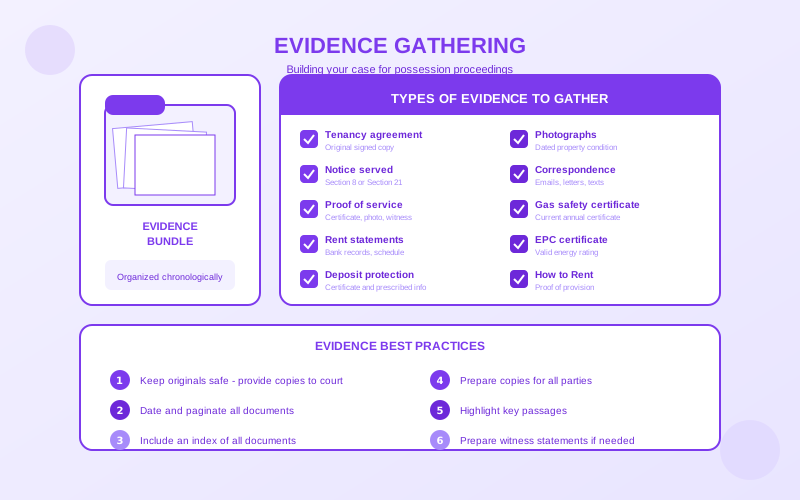
- ?Signed tenancy agreement clearly showing the breached clause
- ?Evidence of breach: photos, videos, witness statements, letters
- ?Warning letters you've sent about the breach (with proof of delivery)
- ?Timeline of events showing the breach is ongoing or repeated
- ?Any tenant responses or acknowledgments
Strengthening Your Case
Courts look favourably on landlords who have:
- Given clear written warnings before serving notice
- Provided opportunity for the tenant to remedy the breach
- Documented the breach thoroughly with dates and details
- Acted proportionately to the severity of the breach
Warning Letters Matter
Always send at least one formal warning letter before serving a Section 8 notice for breach. The court will ask whether the tenant had opportunity to remedy the issue. Keep copies of all correspondence and use tracked delivery or email with read receipts.
Using Ground 12 Step by Step
Step 1: Verify the Breach
Before taking action, confirm you have a genuine breach:
- Check your tenancy agreement contains a clear, enforceable clause
- Verify the tenant has actually breached it (not just rumour or suspicion)
- Document the breach with evidence
Step 2: Issue Warning Letters
Send a formal written warning:
- State the specific clause being breached
- Describe the breach clearly
- Request the tenant remedy the breach within a reasonable timeframe (14-28 days typically)
- Warn that failure to comply may result in possession proceedings
- Send by recorded delivery and keep a copy
Step 3: Allow Time for Remedy
Give the tenant genuine opportunity to fix the issue. If they remedy the breach, you cannot proceed (the ground is that an obligation "has been broken"—past breaches that are fully remedied weaken your case significantly).
Step 4: Serve Section 8 Notice
If the breach continues, serve a Form 3A notice specifying Ground 12:
- Minimum notice period: 2 weeks
- Clearly state Ground 12 and the specific breach
- Include details of when/how the breach occurred
- Serve correctly (personally, by post, or left at the property)
Step 5: Apply to Court
After the notice period expires, apply to the county court using Form N5 (standard possession claim). Include your witness statement detailing the breach and evidence.
Step 6: Attend the Hearing
At the hearing, present your evidence. Be prepared for the tenant to:
- Deny the breach
- Claim they've remedied it
- Argue it's not reasonable to evict them
Court Discretion: What Judges Consider
Because Ground 12 is discretionary, the court will assess whether granting possession isreasonable. Factors considered include:
Severity of the Breach
A one-off minor breach is unlikely to result in possession. Serious or persistent breaches are more likely to succeed.
Whether the Breach Continues
If the tenant has stopped the behaviour and remedied the situation, courts are less likely to grant possession. Ongoing breaches are viewed more seriously.
Impact on Others
If the breach affects neighbours or causes damage, courts take this seriously. Breaches that only affect the landlord contractually (rather than practically) may receive less weight.
Tenant's Circumstances
Courts consider the tenant's situation—vulnerability, children, health issues—when deciding reasonableness. This doesn't excuse breaches but may affect the court's decision or any suspended order terms.
Landlord's Response
Did you act promptly or wait years before taking action? Did you give warnings? Courts expect landlords to address issues in a timely, proportionate manner.
Suspended Orders
Courts often grant "suspended" possession orders for Ground 12 cases, giving the tenant one final chance. The order takes effect only if the breach continues. This is common for first-time or less serious breaches.
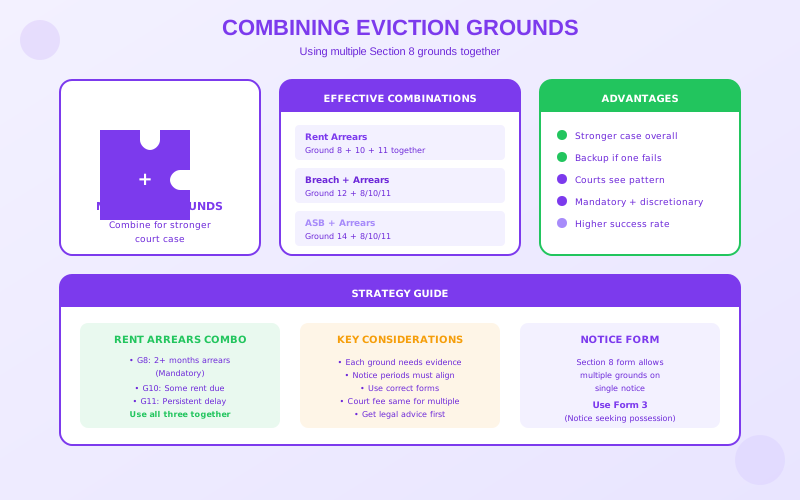
Combining Ground 12 With Other Grounds
You're not limited to citing one ground. Many landlords combine Ground 12 with other relevant grounds to strengthen their case:
Ground 12 + Ground 14 (Antisocial Behaviour)
If the breach also constitutes nuisance or annoyance, cite both. Ground 14 requires the behaviour to cause nuisance to adjoining occupiers, while Ground 12 covers the contractual breach itself.
Ground 12 + Ground 13 (Deterioration of Property)
If the breach involves damaging the property, Ground 13 (waste or neglect causing deterioration) may also apply.
Ground 12 + Rent Arrears Grounds
If there are also rent arrears, include Grounds 8, 10, or 11 as appropriate. Having multiple grounds increases your chances of success.
Ground 12 FAQ
Can I use Ground 12 if the tenant has fixed the breach?
Technically yes, as the ground covers breaches that "have been broken"—past tense. However, courts are much less likely to grant possession for fully remedied breaches. Your case is strongest when the breach is ongoing or has caused lasting damage.
What's the notice period for Ground 12?
The minimum notice period is 2 weeks. However, giving longer notice (4 weeks or more) can demonstrate reasonableness and give the tenant final opportunity to remedy the breach.
Can I evict for keeping a pet without permission?
Yes, if your tenancy agreement prohibits pets or requires consent and the tenant has breached this. However, consider the new pet rules from 2026—for new requests, landlords cannot unreasonably refuse. Existing breaches remain actionable.
Is subletting definitely a Ground 12 breach?
If your tenancy agreement prohibits subletting without consent and the tenant has sublet, yes. Most standard AST agreements include such a clause. Whole-property subletting (where the tenant moves out) is a serious breach courts take very seriously.
Do I need to prove financial loss?
No. Ground 12 doesn't require proving financial loss—only that the tenancy obligation was breached. However, demonstrating actual harm (to you, the property, or neighbours) strengthens your case for reasonableness.
Can the tenant fix the breach after I serve notice?
Yes, and if they do, this affects the court's decision on reasonableness. You can still proceed to court, but judges may refuse possession or grant only a suspended order if the breach has been remedied.
What if my tenancy agreement is vague?
The clause being breached must be clear enough to be enforceable. Vague terms like "tenant must behave reasonably" are harder to enforce than specific prohibitions like "no pets without written consent." Courts interpret ambiguous terms against the party who drafted them (usually the landlord).
Need a Section 8 Notice for Ground 12?
Our Section 8 notice generator helps you build a clear notice for Ground 12 and the other Section 8 grounds. Select the grounds, enter the breach details, and download a notice you can review and serve with confidence.
A clearer route from ground to possession
What to prepare for Section 8 Ground 12
Keep the reason for possession, the notice, proof of service and later court evidence consistent from the outset. Choose the route that matches what you need to do next.
Match the facts
Use the ground only where your evidence supports the reason you will give.
Prepare and serve
Check the notice details, timing and service record before you send anything.
Keep the file joined up
Store the notice, service proof and supporting documents for any court stage.
Choose your document route
Start at the stage your case is actually in

Stage 1: serve the Section 8 notice
£39.99Choose this route when your immediate job is preparing Form 3A and a clear service record before anything is sent to the tenant.
- Problem it solves
- It keeps the ground, tenant details, notice date and service evidence in one notice-stage file.
- Risk if this is not the right stage
- If the tenant stays, you will still need to prepare the court claim file at the next stage.
- Landlord outcome
- You have a structured notice and service route ready to review, approve and serve yourself.

Stage 2: build the full possession file
£69.99Choose this route when you want the Section 8 notice and the court-stage forms, evidence structure and hearing prompts planned together.
- Problem it solves
- It avoids building the notice file first and then trying to reconstruct the same facts for court later.
- Risk if this is not the right stage
- If you only need to serve notice now, this may be more preparation than your case needs today.
- Landlord outcome
- You can prepare one joined-up file for notice, N5, N119, evidence and the court stage.
Prefer us to prepare it with you?
Start with a free consultation before any paid work is agreed
Tell us what has happened and show us the documents you have. We confirm whether assisted preparation is suitable, explain the scope, and only then send a secure payment link.
Section 8 notice assistance
For landlords who need the Form 3A notice, service plan and evidence prompts checked before serving.
Book a free consultation · £149.00
Full eviction case assistance
For landlords who want the Section 8 notice plus N5, N119, service record, evidence bundle and court-stage file prepared together.
Book a free consultation · £399.00What to do next
Core eviction guides landlords usually need next
These are the core possession guides landlords usually need after notice or arrears problems start.
FAQs for landlords

Have a landlord question?
Ask Heaven is our free AI assistant that can help with eviction advice, tenancy questions, and more.