
Rated4.8/5 | 3008 reviews
UK Student Letting Guide - Complete Landlord Handbook 2026
Comprehensive guide to student letting in the UK. Learn about the student rental market, term-time tenancies, guarantor requirements, and maximising returns...
Use this guide when
You need a practical landlord answer, not just a definition
Use this page when you need to understand student letting UK in landlord terms, check the evidence or compliance points that matter, and decide whether the next step is a guide, free tool, notice pack, court pack, tenancy agreement, rent increase pack, or money claim route.
This guide explains student letting uk in plain English, including the rules, common mistakes and practical next steps.
The Student Rental Market
The UK student rental market offers consistent demand and potentially higher yields than traditional letting. Understanding this unique market is essential for success.
Next step for landlords
Problem clear? Create the right notice before you serve
If the issue now points toward possession, move from guidance into a notice route that keeps grounds, dates, service, and evidence together.
- Choose the right route before you serve anything.
- Answer plain-English questions. We handle the legal logic.
- Preview the paperwork before you pay.

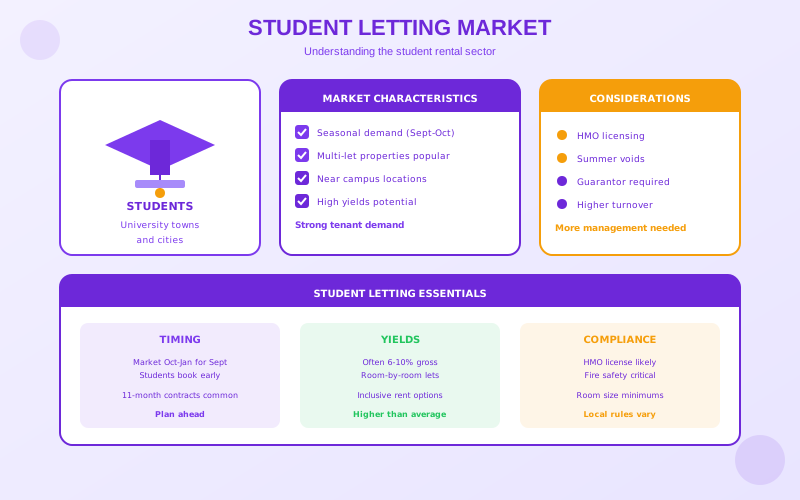
Market Characteristics
| Factor | Student Letting | Standard Letting |
|---|---|---|
| Demand cycle | Academic year driven | Year-round |
| Tenancy length | 10-12 months typically | 12+ months |
| Yield potential | Often higher per room | Lower but stable |
| Wear and tear | Generally higher | Variable |
| Guarantor | Usually required | Sometimes required |
Key University Cities
Location significantly impacts student letting success. Top university cities include London, Manchester, Birmingham, Leeds, Edinburgh, Glasgow, Bristol, Nottingham, Sheffield, and Liverpool. Each has different demand patterns and rental values based on student population and housing supply.
Market Insight
Russell Group universities typically generate the most consistent demand, with students often booking accommodation 6-12 months in advance.
Property Requirements
Student properties must meet specific standards and often require adaptations to suit shared living arrangements.
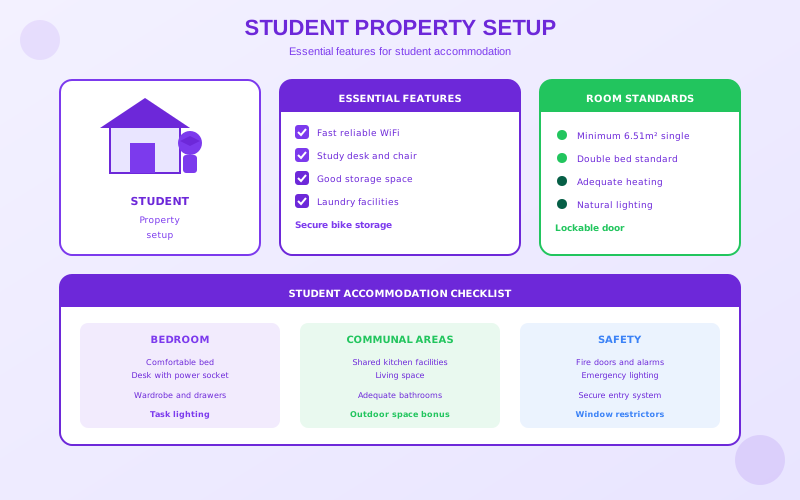
Essential Property Features
- Multiple bedrooms - 3-6 bedrooms is ideal for shared houses
- Good-sized kitchen - Adequate space for multiple people cooking
- Sufficient bathrooms - Ideally 1 bathroom per 3-4 students
- Study space - Desk areas in bedrooms or communal study room
- Fast broadband - Essential for modern students
- Washing machine - Tumble dryer also valuable
- Secure bike storage - Many students cycle
- Good transport links - Or walking distance to campus
HMO Licensing
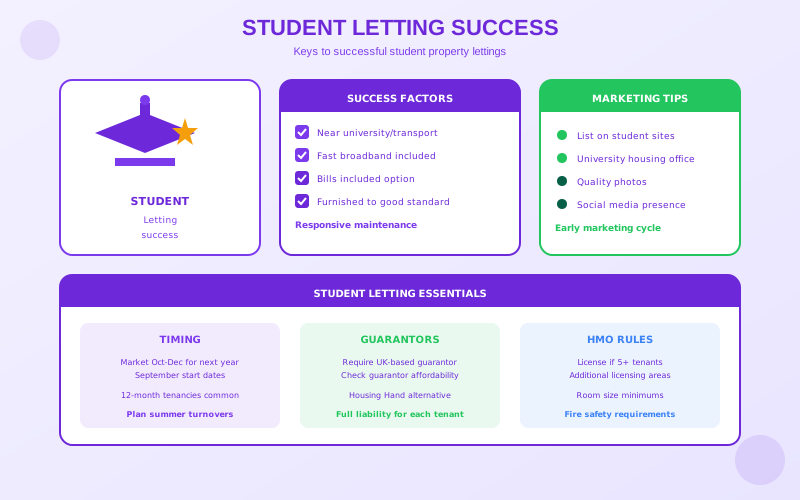
Most student shared houses qualify as HMOs (Houses in Multiple Occupation). If 5 or more students from 2+ households share facilities, mandatory licensing applies. Smaller HMOs may require additional licensing depending on your council.
Licensing Warning
Operating an unlicensed HMO can result in fines up to £30,000, rent repayment orders, and inability to serve Section 21 notices. Always verify licensing requirements with your local council.
Marketing to Students
Effective marketing to students requires understanding their search patterns and preferred platforms.
Timing Your Marketing
| Period | Activity | Target Students |
|---|---|---|
| October-December | Peak search season | Second/third years for next year |
| January-March | Active viewings | Late planners, postgraduates |
| April-June | Last-minute bookings | Clearing students, erasmus |
| July-September | Emergency lets | International students |
Effective Marketing Channels
- Student-specific portals - Rightmove Student, SpareRoom, Unipol
- University accommodation offices - Many maintain landlord registers
- Student union noticeboards - Physical and digital
- Social media - Facebook groups, Instagram
- Word of mouth - Current tenants recommending to friends

Tenancy Structures
Choosing the right tenancy structure affects your management workload, risk exposure, and flexibility.
Joint Tenancy
All students sign one tenancy agreement with joint and several liability. Each tenant is responsible for the whole rent if others default. This simplifies management but can create complications if one tenant leaves mid-term.
Individual Room Tenancies
Each student has a separate agreement for their room. More paperwork but greater flexibility. If one tenant leaves, you can replace them without affecting other tenancies. Each tenant is only liable for their own rent.
Tenancy Length Options
- 12-month tenancy - Maximum income, students pay over summer
- 10-month tenancy - Academic year only, void period in summer
- 44-week tenancy - Common compromise, minimal void
Tenancy Tip
12-month tenancies provide stable income and students often store belongings over summer even if not present. Consider offering a summer rent discount to encourage 12-month commitments.
Guarantor Requirements
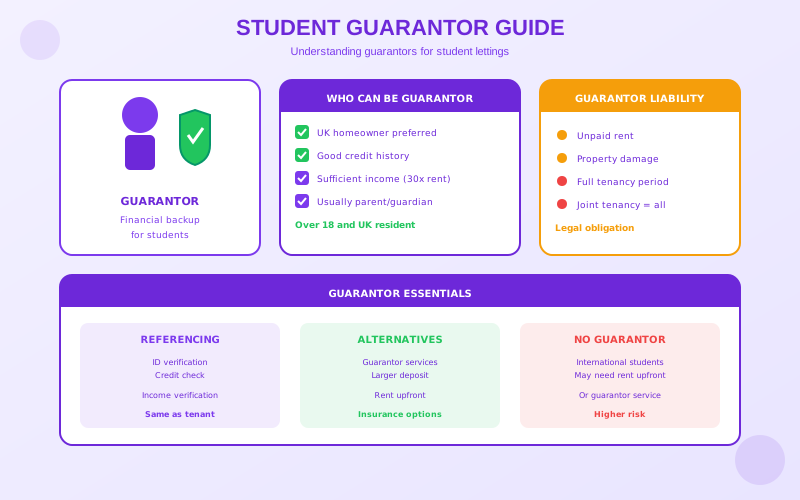
Guarantors are essential for student lettings as most students have limited income and no rental history.
Guarantor Criteria
- UK homeowner (ideally)
- Income sufficient to cover rent (typically 3x annual rent)
- Good credit history
- Willing to guarantee full joint and several liability
International Students
International students may struggle to provide UK-based guarantors. Consider rent guarantee services (Housing Hand, UK Guarantor), advance rent payment (up to 6 months permitted), or university guarantee schemes where available.
Managing Student Properties
Student properties require specific management approaches to address the unique challenges of this tenant group.
Communication Best Practices
- Use platforms students prefer (WhatsApp, email)
- Create a tenant group chat for household communications
- Respond quickly to issues - students may lack DIY skills
- Provide clear written house rules and expectations
- Conduct termly check-ins to catch issues early
Common Challenges
| Challenge | Prevention | Solution |
|---|---|---|
| Cleaning standards | Clear expectations, photos | Termly inspections |
| Neighbour complaints | Noise rules in contract | Mediation, warnings |
| Bin management | Collection day reminders | Rota system |
| Garden maintenance | Low-maintenance landscaping | Include in rent |
| Energy waste | Smart thermostats | Bills-included caps |
Managing Summer Periods
The summer vacation period presents both challenges and opportunities for student landlords.
Options for Summer
- 12-month tenancies - Students retain rooms over summer
- Summer sublets - Market to interns, temporary workers
- Maintenance focus - Use empty period for major works
- Short-term lets - Festival, conference accommodation
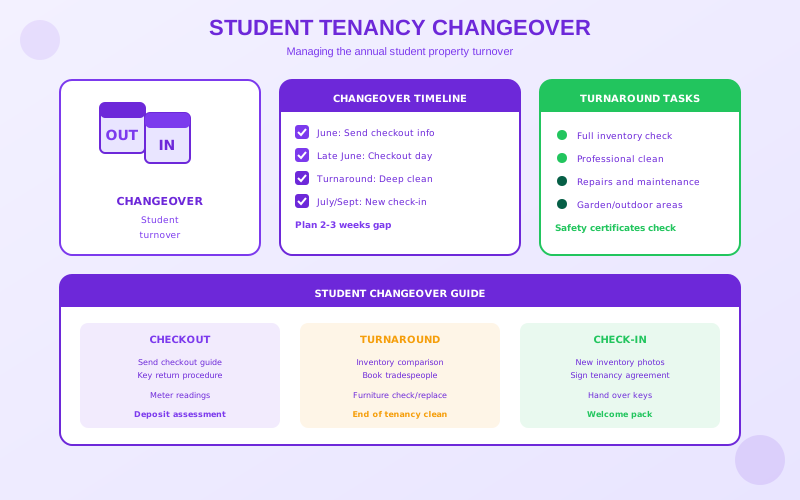
Changeover Management
The changeover between academic years requires careful planning. Allow time for professional cleaning between tenancies. Conduct thorough check-out inspections with departing tenants. Complete any necessary repairs before new tenants arrive. Prepare welcome packs for incoming students.
Maximising Returns
Student properties can generate excellent returns when managed effectively.
Yield Optimisation Strategies
- Room reconfiguration - Convert lounges to additional bedrooms
- En-suite additions - Command premium rents
- Bills-inclusive packages - Add management margin
- Multi-year deals - Reduce marketing costs with returning groups
- Summer lets - Generate additional income
Cost Control
Control costs through durable furnishings that withstand student use, energy-efficient appliances reducing bills-inclusive costs, preventative maintenance reducing emergency repairs, and efficient changeover processes minimising void periods.
Return Insight
Student HMOs typically yield 8-12% compared to 4-6% for single lets. Higher management intensity is offset by significantly better returns per property.
FAQs for landlords
Do I need an HMO licence for student properties?
If 5+ students from 2+ households share, mandatory licensing applies. Some councils have additional licensing for smaller HMOs. Check with your local authority as requirements vary.
How do I handle students who want to leave mid-tenancy?
With joint tenancies, they remain liable unless you agree otherwise. Consider allowing room replacements if they find a suitable replacement tenant who passes referencing.
Should I include bills in the rent?
Bills-inclusive is popular with students as it simplifies budgeting. Consider capping usage or using fair-use clauses to protect against excessive consumption.
How early do students book for the next year?
Peak booking is October-December for the following September. Marketing should begin as early as October for properties coming available the following academic year.
What insurance do I need for student lets?
Standard landlord insurance covering buildings, contents (if furnished), and liability. Ensure your policy covers HMO letting if applicable. Consider rent guarantee insurance given guarantor reliance.
What to do next
Core eviction guides landlords usually need next
These are the core possession guides landlords usually need after notice or arrears problems start.
FAQs for landlords

Have a landlord question?
Ask Heaven is our free AI assistant that can help with eviction advice, tenancy questions, and more.